
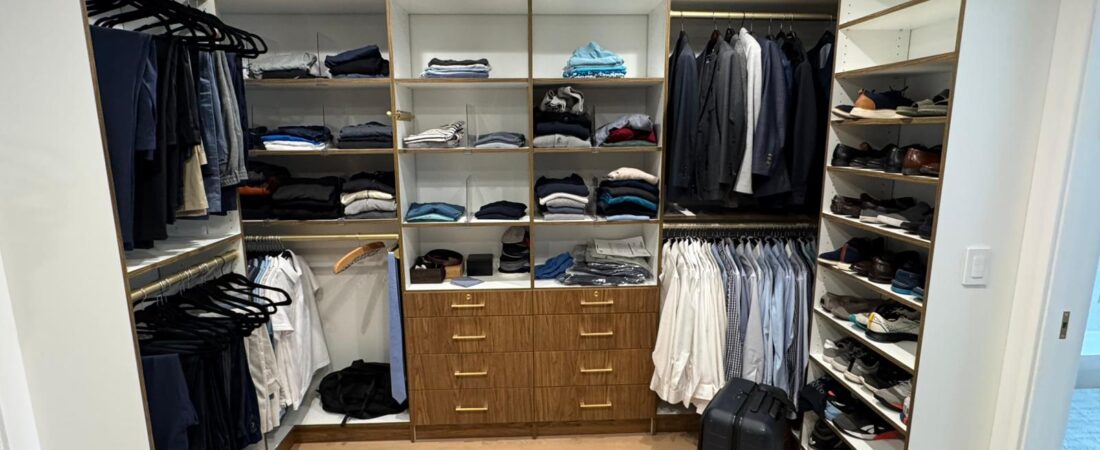
Every busy New Jersey professional knows the frustration of rushing to an important meeting only to discover their carefully selected outfit is wrinkled, stretched, or damaged from improper hanging.
While most people think hanging clothes is straightforward, proper clothes hanging techniques require specific knowledge about garment care, hanger selection, and systematic organization that can extend your wardrobe’s lifespan while maintaining that crisp, professional appearance you need.
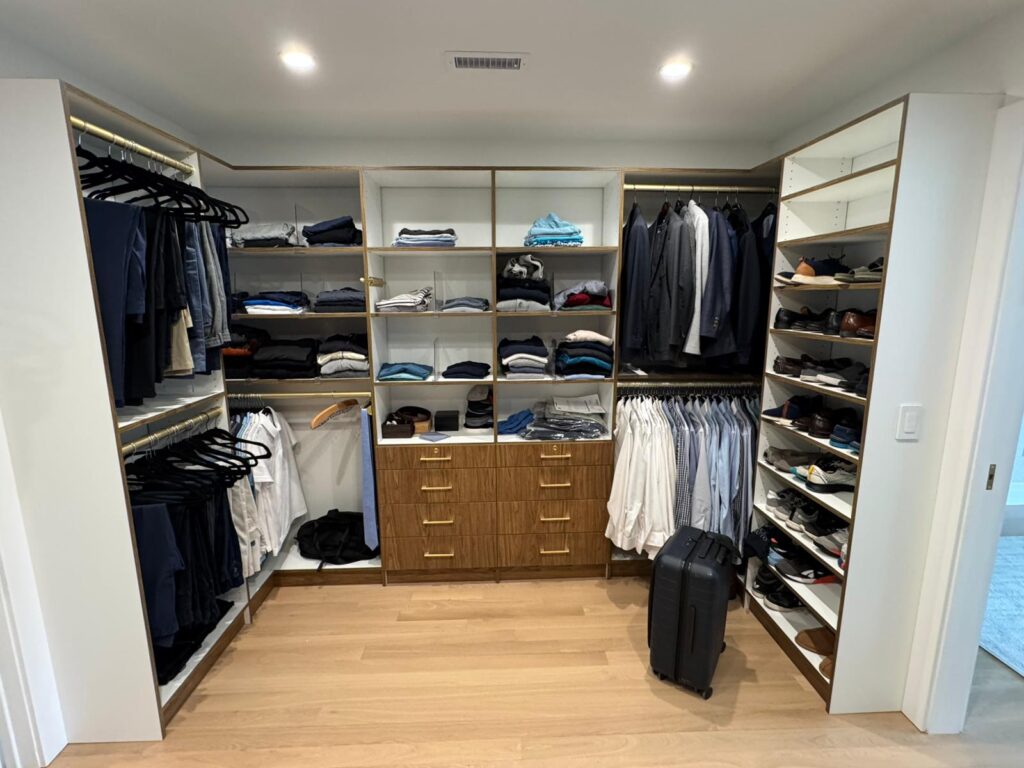
Professional wardrobes require professional hanging techniques.
At Coastal Closets, we’ve helped hundreds of New Jersey professionals transform their wardrobe organization through our custom closet systems and proper hanging methodology.
✓ Prevent wrinkles and garment damage
✓ Extend clothing lifespan significantly
✓ Maintain professional appearance daily
✓ Custom hanging solutions designed for your needs
Why Proper Hanging Techniques Matter for Your Wardrobe
Improper clothes hanging damages your investment in professional attire more than most people realize.
Quality business suits, dress shirts, and formal wear represent significant financial investments that deserve proper care and storage methods.
When clothes are hung incorrectly, several costly problems develop over time.
Shoulder distortion occurs when suits and jackets are hung on wire hangers or narrow wooden hangers that don’t properly support the garment’s natural shoulder line.
Fabric stretching happens when heavy garments like wool coats are hung without adequate support, causing permanent shape changes.
Wrinkle formation develops when clothes are overcrowded, preventing air circulation and creating pressure points that set permanent creases.
Color fading results from improper spacing that prevents UV protection and creates uneven light exposure across garment surfaces.
Professional wardrobe maintenance extends far beyond periodic dry cleaning—it requires systematic hanging techniques that preserve your clothing’s appearance and functionality.
Essential Hanging Fundamentals Every Homeowner Should Know
Proper spacing prevents wrinkle formation and allows clothes to breathe naturally.
Professional closet systems provide adequate spacing between garments—typically 2-3 inches for shirts and 4-5 inches for jackets and coats.
Height organization maximizes your closet’s vertical space while preventing garment contact with floors or shelving.
Directional hanging ensures all garments face the same direction, creating visual organization and easier selection during busy mornings.
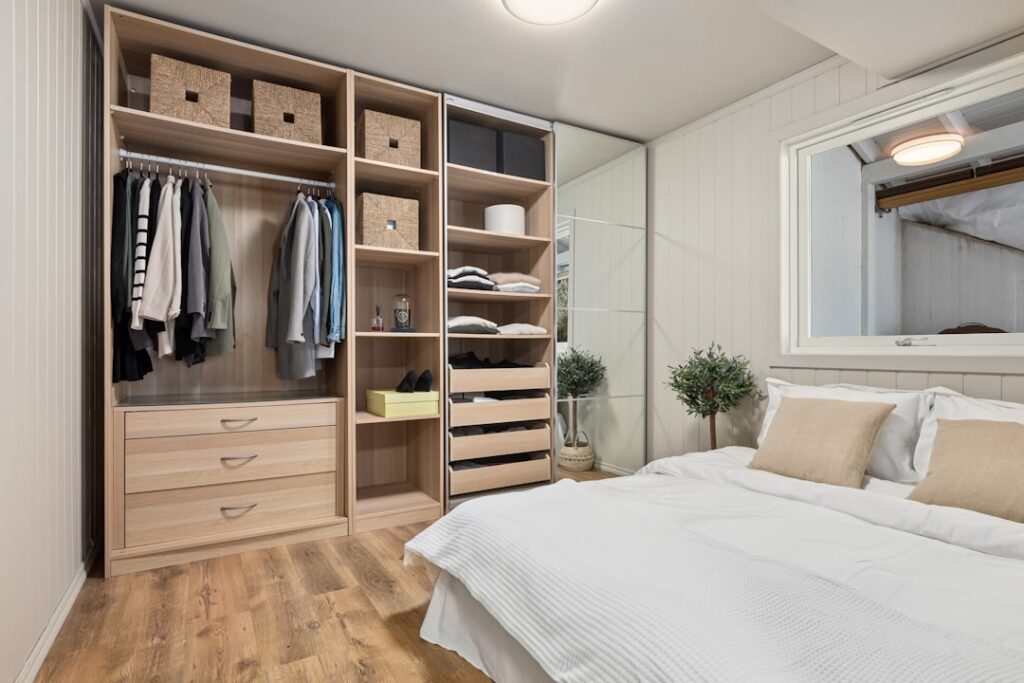
The foundation of proper clothes hanging begins with understanding your closet’s available space and organizing it systematically.
Measure your available hanging height to determine rod placement that accommodates your longest garments without floor contact.
Calculate garment density by counting your current wardrobe pieces and ensuring your hanging space can accommodate them with proper spacing.
Plan for seasonal rotation by designating specific areas for current-season items and storage areas for off-season clothing.
Create category zones by grouping similar garments together—suits in one section, casual shirts in another, dresses in a dedicated area.
These fundamental principles form the basis for all advanced hanging techniques and prevent the most common wardrobe organization mistakes.
Mastering Shirt and Blouse Hanging Techniques
Dress shirts and blouses require specific hanging methods that preserve their collar shape, prevent shoulder marks, and minimize wrinkles.
Button the second button from the top—never the top button—to maintain collar shape while preventing stress on the button band.
Use contoured hangers that match the shirt’s shoulder width and provide adequate support for the garment’s natural drape.
Smooth the front and back panels before hanging to eliminate existing wrinkles and prevent new ones from setting.
Align sleeves naturally so they hang straight down without twisted fabric or unnatural positioning.
For dress shirts with French cuffs, fold the cuffs back slightly to prevent them from catching on adjacent garments.
Blouses with delicate fabrics or embellishments may require padded hangers that provide extra protection against impressions or damage.
Silk and delicate fabrics benefit from wider hangers that distribute weight more evenly across the garment.
Cotton and cotton blends can use standard contoured hangers but require proper spacing to prevent wrinkle formation.
Synthetic materials often maintain their shape well but can develop static electricity if hung too closely together.
Professional Suit and Dress Hanging Methods
Professional suits and formal dresses represent your most significant wardrobe investments and require specialized hanging techniques.
Suit jackets demand wide, contoured hangers that support the shoulder construction and maintain the garment’s tailored shape.
Empty all pockets before hanging to prevent fabric distortion and maintain the jacket’s natural drape.
Button the middle button only to maintain the jacket’s intended silhouette without creating stress points.
Suit pants should hang from the waistband using clamp-style hangers or hang folded over a trouser bar to prevent knee impressions.
For optimal suit care, allow 24-48 hours between wearings to let the wool fibers recover their natural shape.
Formal dresses require special attention based on their construction and fabric type.
A-line and fit-and-flare dresses hang best from shoulder straps or built-in hanging loops to maintain their intended shape.
Sheath and bodycon styles benefit from wide hangers that prevent shoulder impressions and fabric stretching.
Evening gowns and formal wear often require padded hangers and extra vertical space to prevent fabric bunching at the hem.
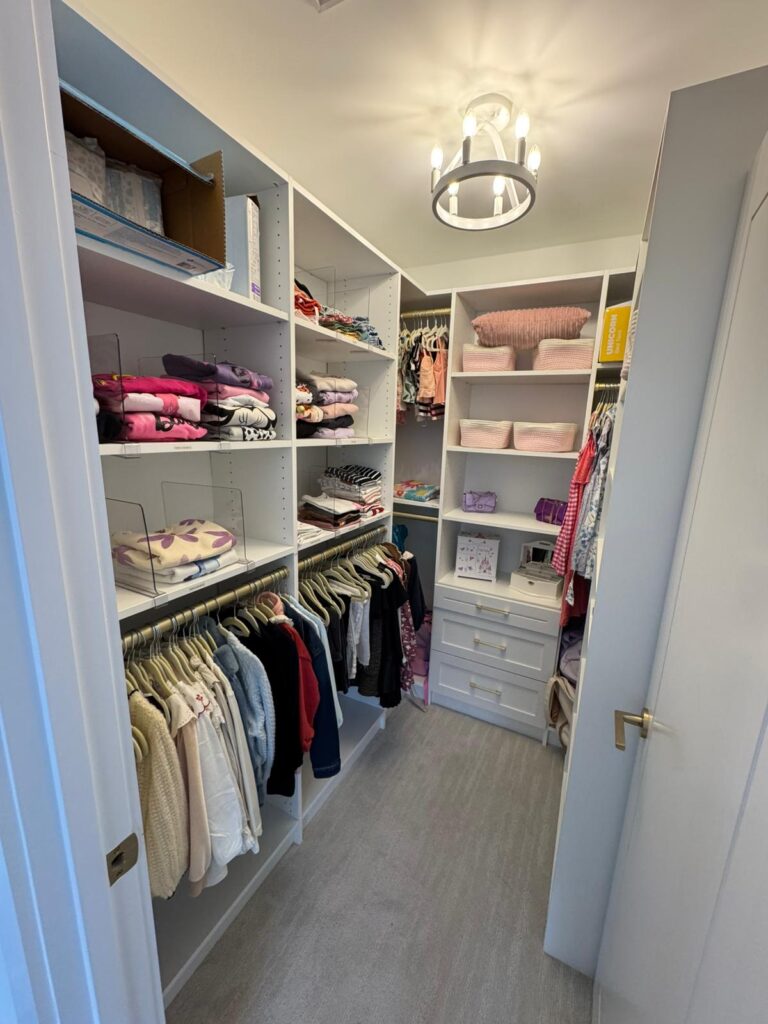
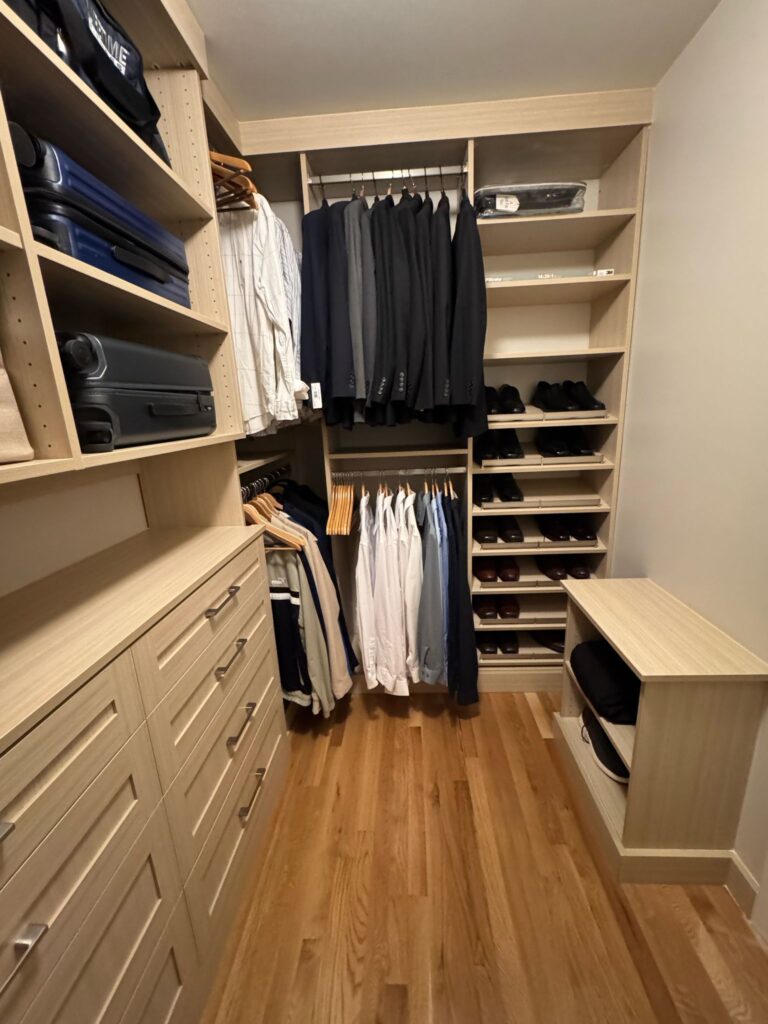

These examples showcase professional hanging systems that accommodate different wardrobe types while maintaining organization and garment care standards.
Seasonal Wardrobe Rotation and Hanging Strategies
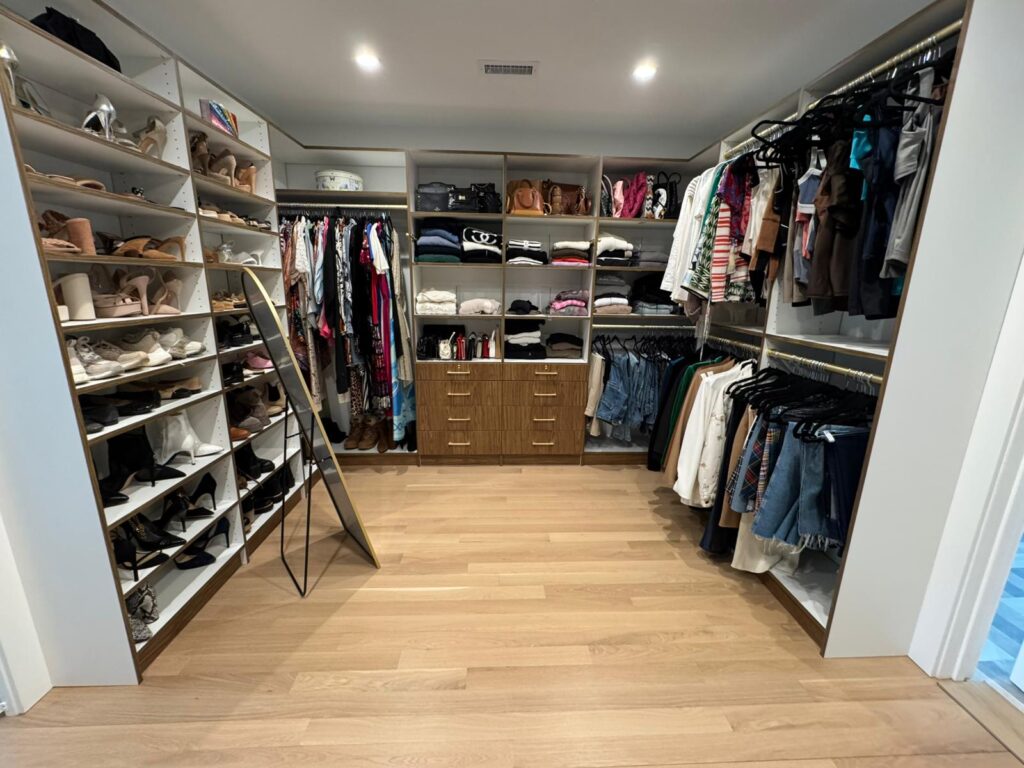
Seasonal rotation maximizes your hanging space while protecting off-season garments.
New Jersey’s distinct seasons require strategic wardrobe management that accommodates everything from summer suits to winter coats.
Front-and-center placement for current season essentials ensures quick morning selection and proper garment visibility.
Secondary hanging areas house transitional pieces that bridge seasonal changes effectively.
Effective seasonal rotation prevents overcrowding while ensuring your current wardrobe receives proper hanging space and care.
Spring rotation involves moving heavy winter coats to storage areas while bringing forward lighter jackets and transitional pieces.
Summer preparation requires hanging breathable fabrics with extra spacing to promote air circulation and prevent moisture retention.
Fall transition brings back layering pieces and structured jackets that need adequate hanging support.
Winter storage demands robust hanging systems that can support heavy wool coats and bulky outerwear without compromising other garments.
Professional closet systems accommodate seasonal changes through adjustable hanging heights and flexible storage configurations.
Off-season storage should maintain proper hanging techniques even when garments aren’t in daily rotation.
Climate-controlled areas protect delicate fabrics from humidity and temperature fluctuations that can damage fibers.
Regular rotation schedules prevent garments from remaining in storage positions too long, which can create permanent impressions.
Choosing the Right Hangers for Different Garment Types
Quality hangers form the foundation of proper clothes hanging techniques.
Different garment types require specific hanger styles that provide appropriate support and prevent damage.
Wooden hangers offer superior support for structured garments like suits and heavy coats while absorbing moisture naturally.
Padded hangers protect delicate fabrics and prevent shoulder impressions on lightweight garments.
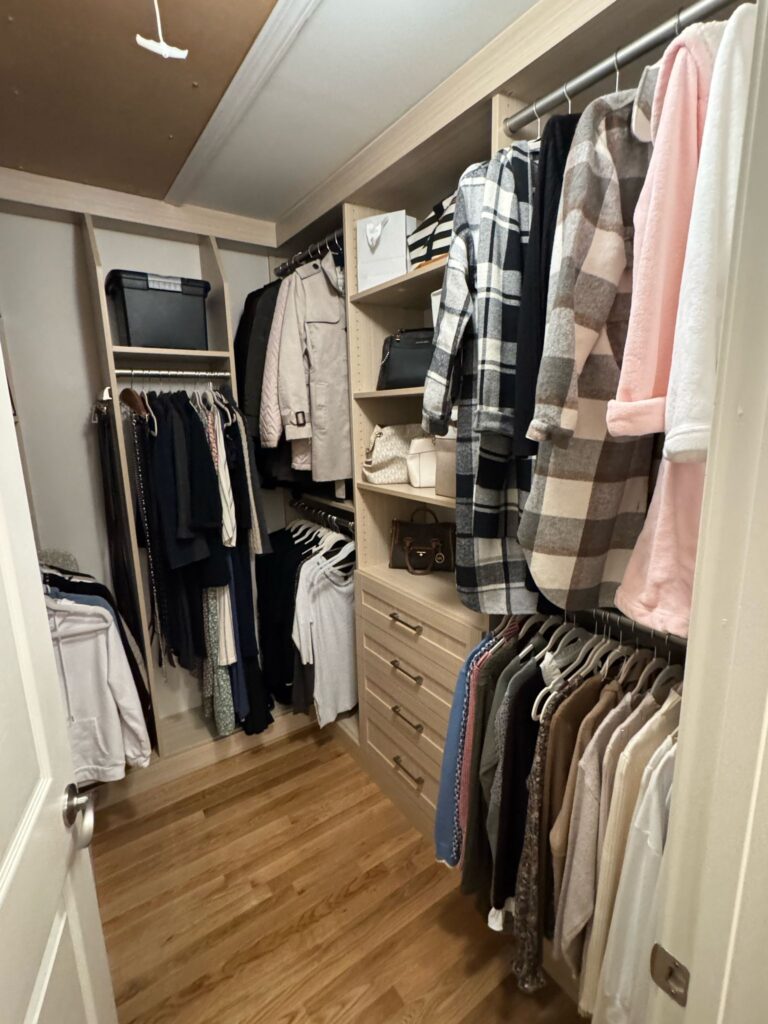
Hanger selection significantly impacts your garments’ longevity and appearance, making proper selection a crucial investment.
Wire hangers should be avoided entirely as they create shoulder impressions, rust stains, and inadequate support for all garment types.
Plastic hangers work adequately for lightweight casual wear but lack the support needed for structured garments.
Contoured wooden hangers provide ideal support for dress shirts, blouses, and lightweight jackets while maintaining natural shoulder lines.
Wide wooden suit hangers feature extended shoulders that properly support jacket construction and prevent fabric distortion.
Padded satin hangers protect delicate fabrics like silk, chiffon, and embellished garments from snags and impressions.
Trouser hangers with clips prevent creasing by hanging pants from the waistband rather than folding them over bars.
Specialized hangers accommodate unique garments like strapless dresses, ties, and scarves with purpose-built designs.
Professional-grade hangers represent a worthwhile investment that pays dividends through extended garment lifespan and maintained appearance.
When DIY Isn’t Enough: Professional Custom Hanging Systems
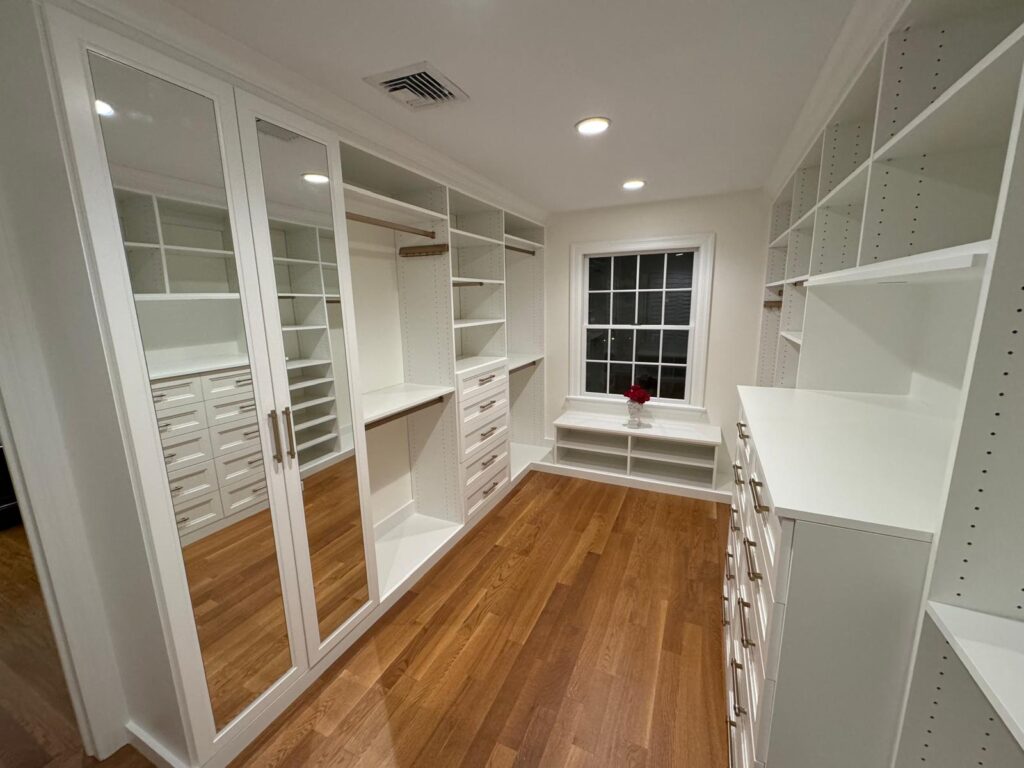
Professional custom hanging systems solve the limitations that prevent proper clothes hanging techniques.
At Coastal Closets, our 7-step custom process designs hanging solutions that accommodate your specific wardrobe while maximizing your space’s potential.
✓ Multiple hanging heights for different garment lengths
✓ Proper spacing ratios for wrinkle prevention
✓ Premium rods that support heavy garments
✓ Integrated lighting for garment visibility
While proper hanging techniques significantly improve garment care, inadequate closet systems limit your ability to implement these methods effectively.
Insufficient hanging space forces overcrowding that negates even the best hanging techniques.
Improper rod placement creates height limitations that force garments to bunch or drag on closet floors.
Inadequate support systems cause sagging rods that damage both the closet structure and your hanging clothes.
Poor lighting conditions make it difficult to assess garment condition and select appropriate items.
Professional custom closet systems address these limitations through engineered solutions that support proper hanging techniques.
Our vetted in-house contractors install heavy-duty hanging systems designed to support extensive professional wardrobes.
Adjustable hanging heights accommodate everything from short blouses to long evening gowns with proper clearance.
Premium materials ensure your hanging system maintains structural integrity over years of daily use.
Integrated features like pull-out valet rods and specialty hanging areas enhance your daily wardrobe routine.
Custom solutions transform proper hanging techniques from a constant challenge into an effortless daily routine.
Advanced Hanging Techniques for Special Garments
Certain garments require specialized hanging approaches that go beyond standard techniques.
Leather and suede garments need breathable storage with padded hangers that won’t leave impressions on these delicate materials.
Vintage and heirloom pieces require archival-quality hangers and climate-controlled hanging areas that prevent deterioration.
Heavily beaded or sequined garments should hang with the weight evenly distributed to prevent bead stress and fabric tearing.
Fur and fur-trimmed garments need specialized hanging with adequate space to prevent fur matting and maintain natural texture.
Wedding dresses and formal gowns require extra-long hanging areas with protective covering to prevent dust accumulation.
Maintaining Your Hanging System Long-Term
Proper clothes hanging techniques require ongoing maintenance to remain effective over time.
Regular hanger inspection identifies damaged hangers that could harm your garments before problems develop.
Rod maintenance ensures hanging hardware remains secure and capable of supporting your wardrobe’s weight.
Periodic reorganization maintains proper spacing and prevents the gradual overcrowding that develops over time.
Seasonal deep cleaning removes dust and maintains the clean environment your hanging clothes deserve.
System upgrades accommodate wardrobe changes and evolving storage needs as your professional requirements change.
Ready to Transform Your Wardrobe Storage?
Proper clothes hanging techniques represent just the beginning of professional wardrobe care.
While implementing these methods will improve your current situation, the most dramatic results come from combining proper techniques with a custom closet system designed specifically for your wardrobe and lifestyle.
New Jersey professionals who’ve invested in Coastal Closets’ custom hanging solutions report significant improvements in their daily routines, garment longevity, and overall wardrobe satisfaction.
Our proven 7-step process begins with understanding your specific hanging needs and designing solutions that make proper clothes hanging techniques effortless and automatic.
From initial consultation through final installation, our vetted in-house contractors ensure your new hanging system supports the professional appearance you need while protecting your valuable wardrobe investment.
Don’t let inadequate hanging systems prevent you from implementing these professional wardrobe care techniques.
Request Your Free Custom Closet Consultation
Transform your wardrobe organization with professional hanging solutions designed specifically for your needs.