
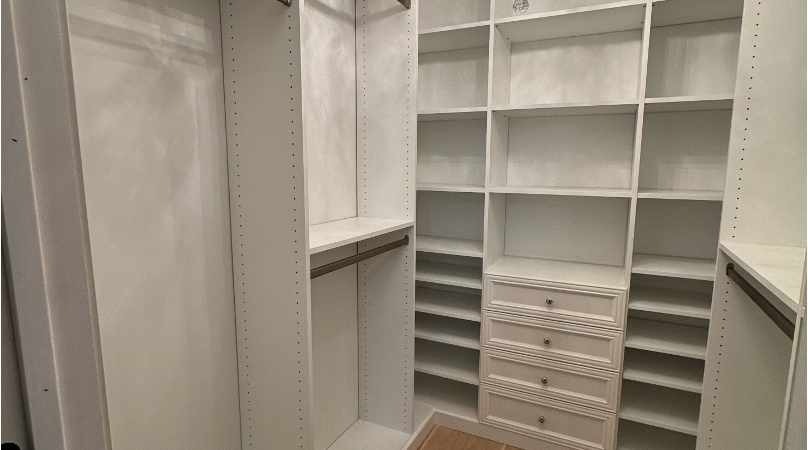
Musty odors, moisture buildup, and stale air in your closet signal a serious ventilation problem that affects both your clothing and home value.
For New Jersey homeowners dealing with humidity issues in custom closets, proper ventilation fan installation requires navigating complex electrical codes, moisture management, and safety regulations that many DIY approaches simply can’t address.
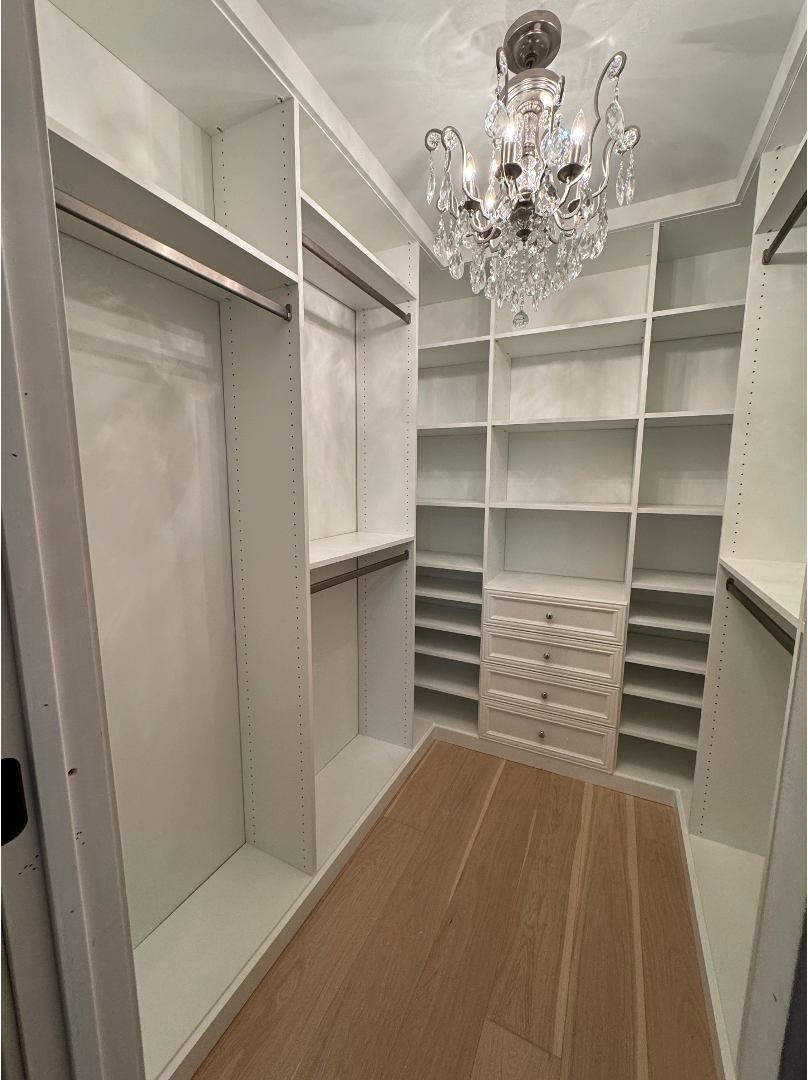
Professional electrical installation transforms closet functionality while ensuring safety and code compliance.
At Coastal Closets, our vetted in-house electrical contractors integrate ventilation systems into comprehensive closet designs throughout New Jersey, ensuring proper airflow, humidity control, and electrical safety that DIY installations often miss.
✓ New Jersey Electrical Code Compliant
✓ Vetted In-House Electrical Contractors
✓ Integrated with Custom Storage Design
✓ Professional Installation Warranty
Understanding Closet Ventilation Needs
Closets face unique ventilation challenges that standard room ventilation doesn’t address.
New Jersey’s humid climate creates perfect conditions for moisture buildup in enclosed closet spaces, leading to mold growth, musty odors, and fabric damage.
Proper closet ventilation requires understanding airflow patterns, moisture sources, and electrical requirements specific to confined storage spaces.
Common Ventilation Problems in New Jersey Closets:
- Humidity buildup from seasonal clothing changes
- Poor air circulation in walk-in closets
- Moisture from adjacent bathrooms or laundry areas
- Inadequate exhaust in basement or lower-level closets
- Temperature fluctuations affecting stored items
These issues require solutions that go beyond simple fan installation to address comprehensive air quality management.
DIY Installation Challenges and Safety Concerns
DIY ventilation fan installation presents significant challenges that many homeowners underestimate.
Electrical Code Compliance Issues
New Jersey electrical codes require specific wiring methods, circuit protection, and installation techniques for bathroom and closet ventilation fans.
DIY installations often miss critical requirements like GFCI protection, proper junction box mounting, and adequate wire gauge specifications.
Code violations can result in failed inspections, insurance issues, and potential safety hazards.
Structural Modification Challenges
Installing ventilation fans requires cutting through ceiling joists, exterior walls, or roof structures.
Improper cuts can compromise structural integrity, create water infiltration points, or damage existing electrical and plumbing systems.
DIY projects often lack proper moisture barriers, flashing, and weatherproofing that professional installations provide.
Ventilation Sizing and Placement Errors
Calculating proper CFM (cubic feet per minute) requirements for closet spaces involves complex factors including room volume, moisture load, and air change rates.
Incorrect fan sizing leads to inadequate ventilation or excessive noise levels.
Poor placement can create dead air zones or interfere with natural air circulation patterns.
Why Professional Installation Ensures Code Compliance
Professional electrical contractors understand New Jersey building codes and ensure compliant installations from the start.
Our vetted electrical team handles permit applications, inspections, and code compliance requirements that DIY installations often overlook.
Professional installation includes proper wiring methods, circuit protection, and safety features required by New Jersey electrical codes.
This approach prevents costly rework, ensures insurance coverage, and maintains home resale value.
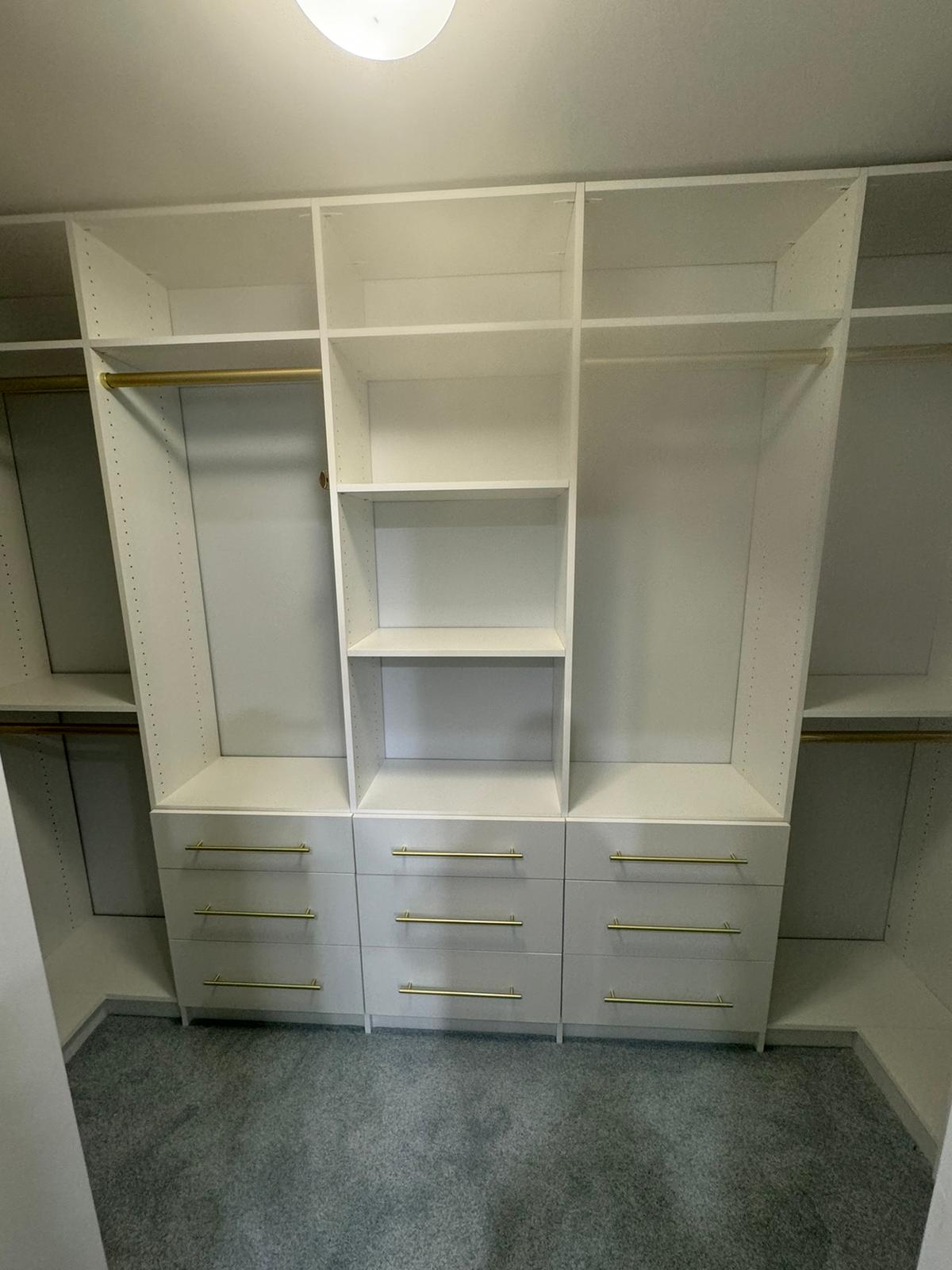
New Jersey Electrical Code Requirements for Closet Ventilation:
- GFCI protection for bathroom-adjacent closets
- Proper junction box mounting and accessibility
- Adequate wire gauge for fan motor requirements
- Approved switching methods and locations
- Compliance with moisture protection standards
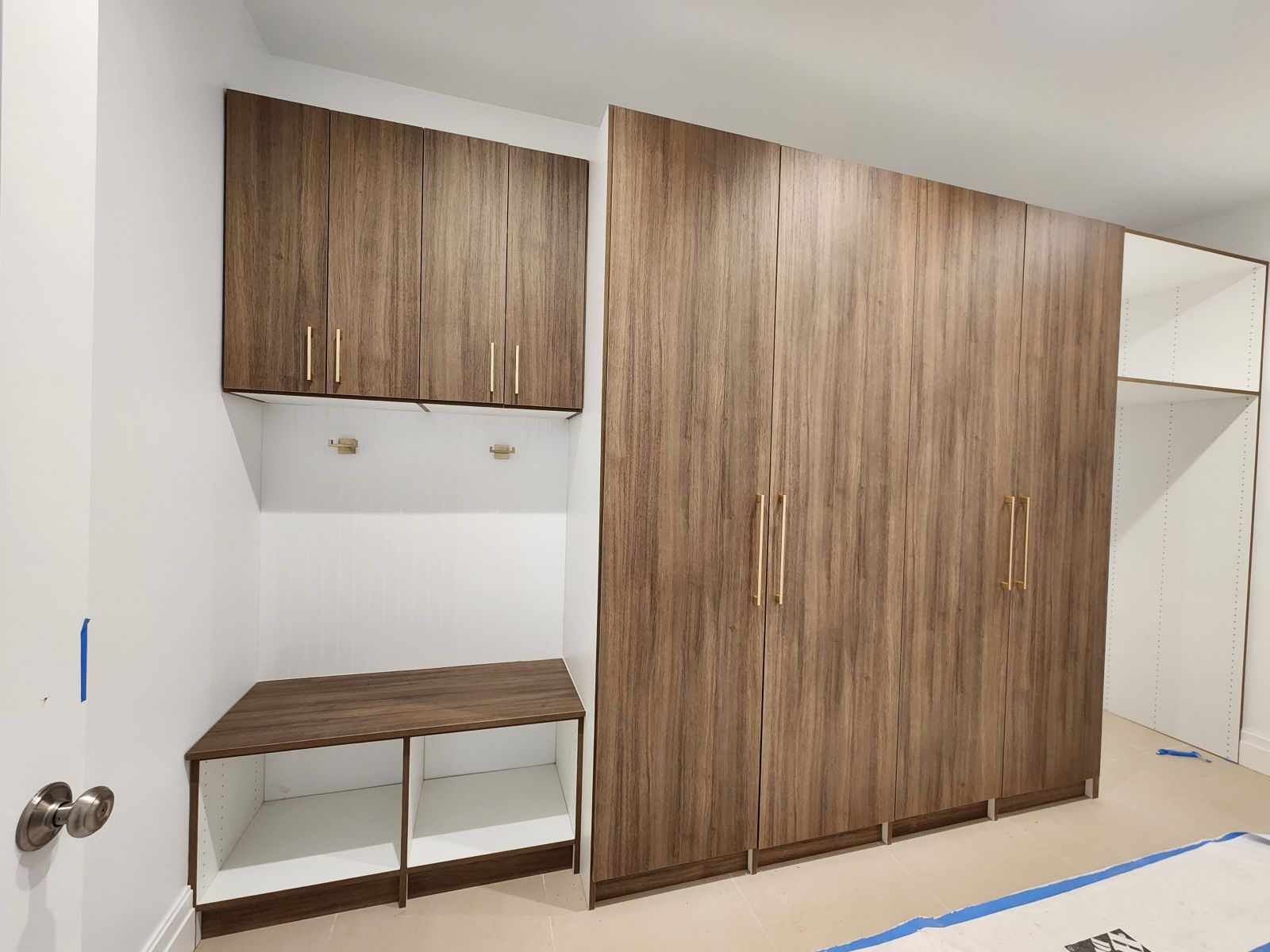
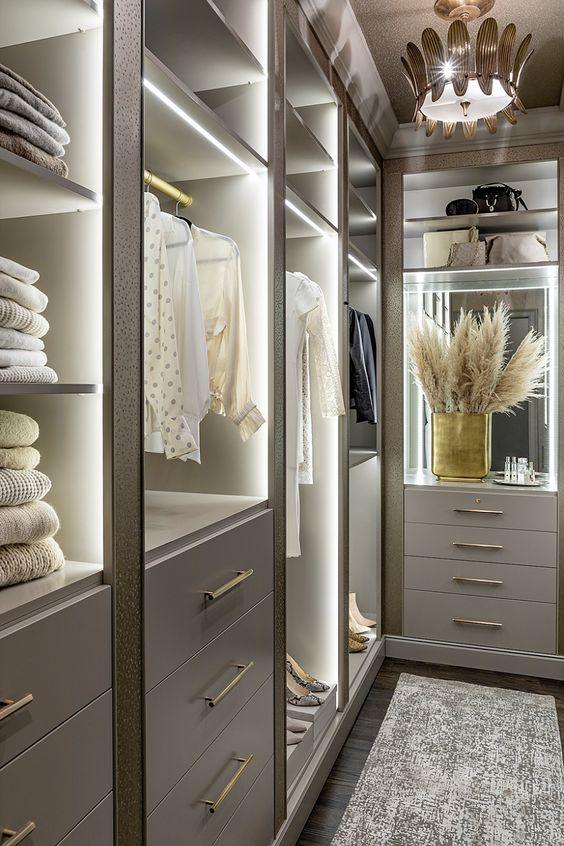
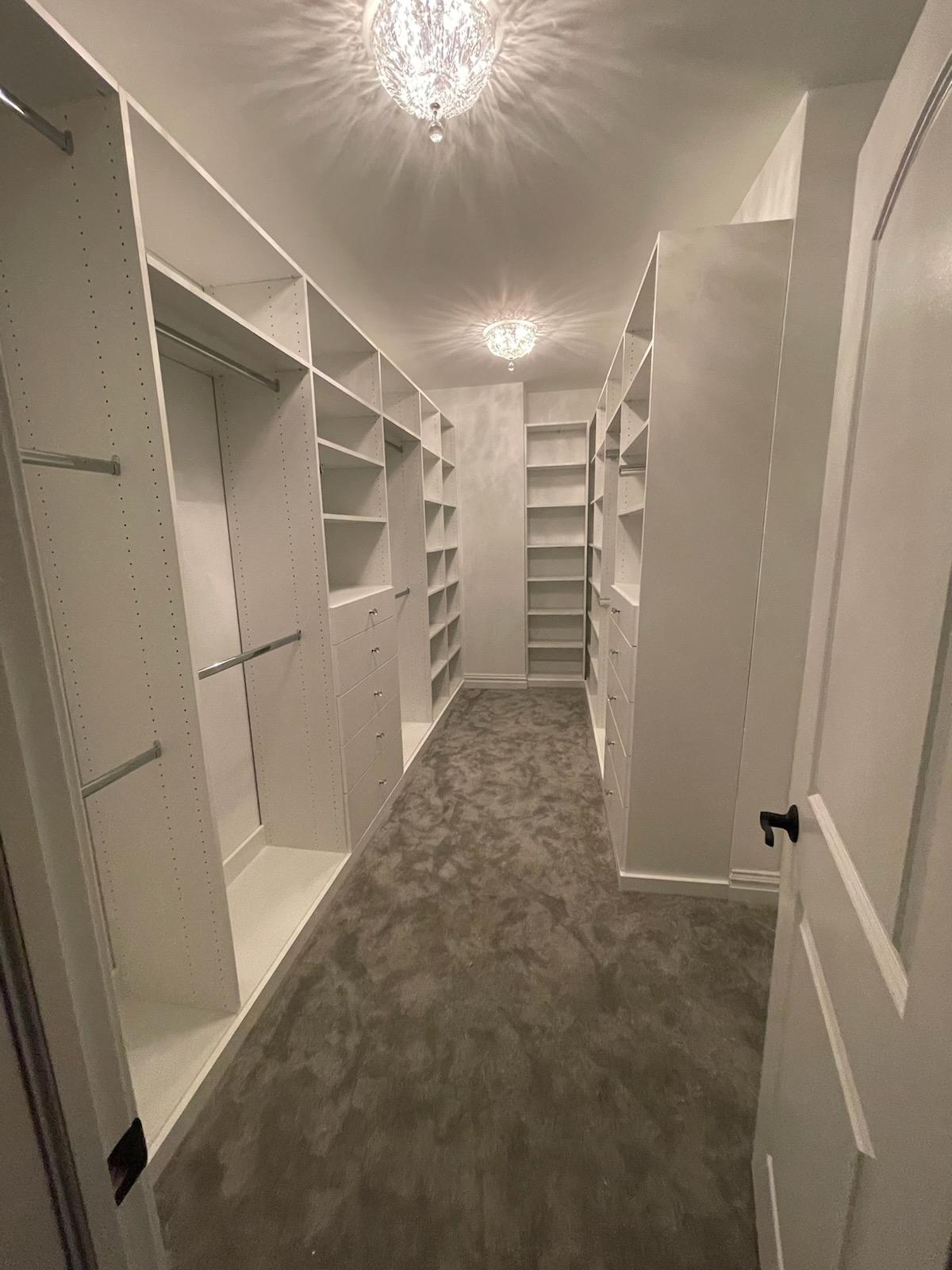
These professional installations demonstrate the sophisticated electrical work required for proper closet ventilation systems.
Code Compliance and Safety Considerations
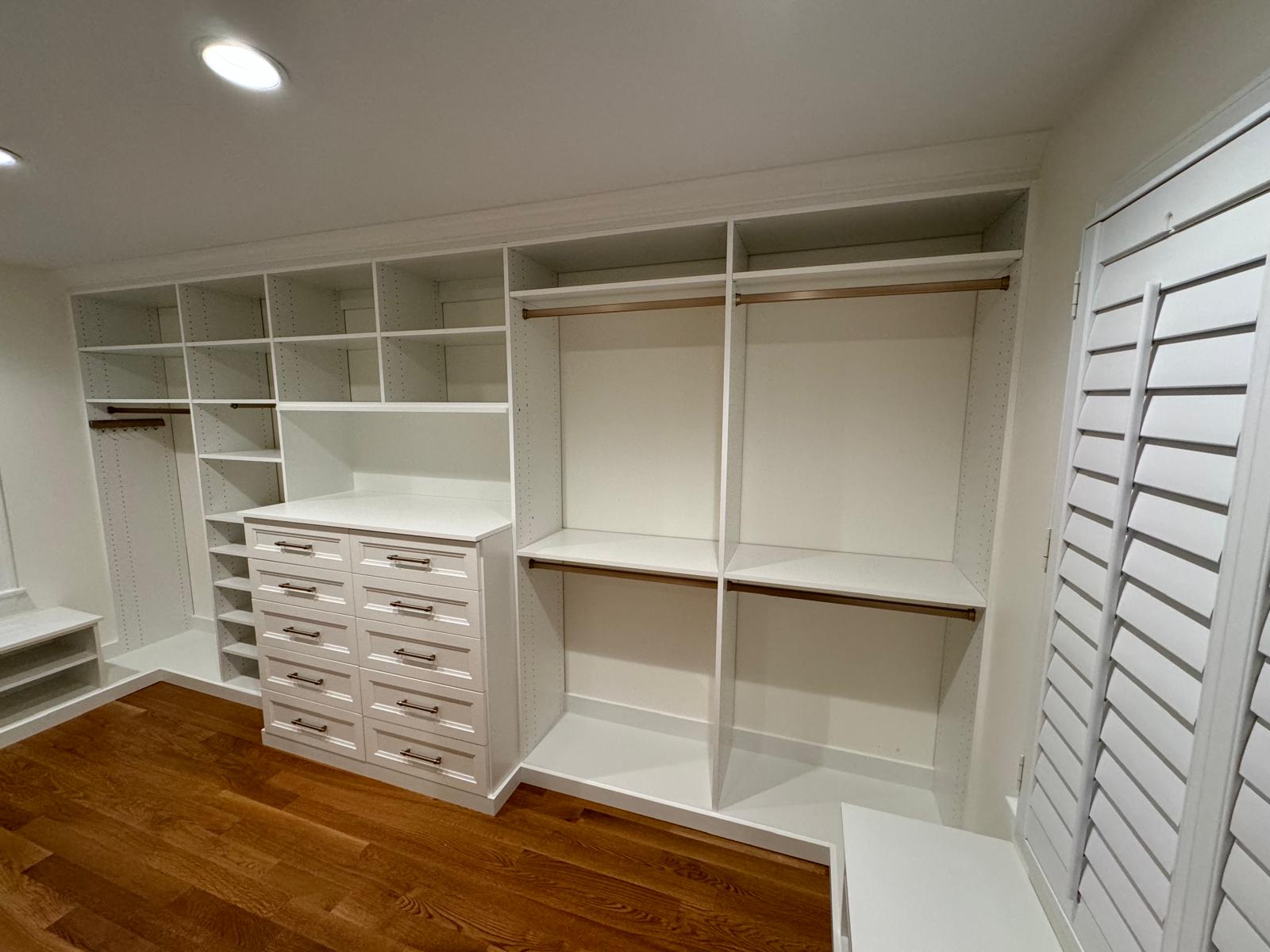
Professional installation ensures electrical infrastructure is properly planned before closet systems are installed.
Our approach integrates ventilation planning with custom storage design to avoid conflicts between electrical systems and organizational components.
This comprehensive planning prevents costly modifications and ensures optimal ventilation performance.
Safety considerations extend beyond basic electrical work to include fire prevention, moisture management, and long-term system reliability.
Critical Safety Requirements:
Fire Safety
• Heat-rated electrical components
• Proper clearances from combustibles
• Fire-rated ductwork where required
• Emergency shutoff accessibility
Moisture Protection
• Sealed electrical connections
• Condensation management systems
• Vapor barrier integration
• Weatherproof exterior terminations
Professional contractors address these requirements systematically, ensuring long-term safety and performance.
Alternative Ventilation Solutions for Custom Closets
Not every closet requires mechanical ventilation – professional assessment determines the most effective solution for your specific situation.
Natural ventilation through windows and strategic air circulation can provide effective moisture control in many situations.
Professional designers evaluate existing airflow patterns, humidity sources, and architectural features to determine optimal ventilation strategies.
This might include enhanced natural ventilation, strategic air returns, or hybrid mechanical systems.
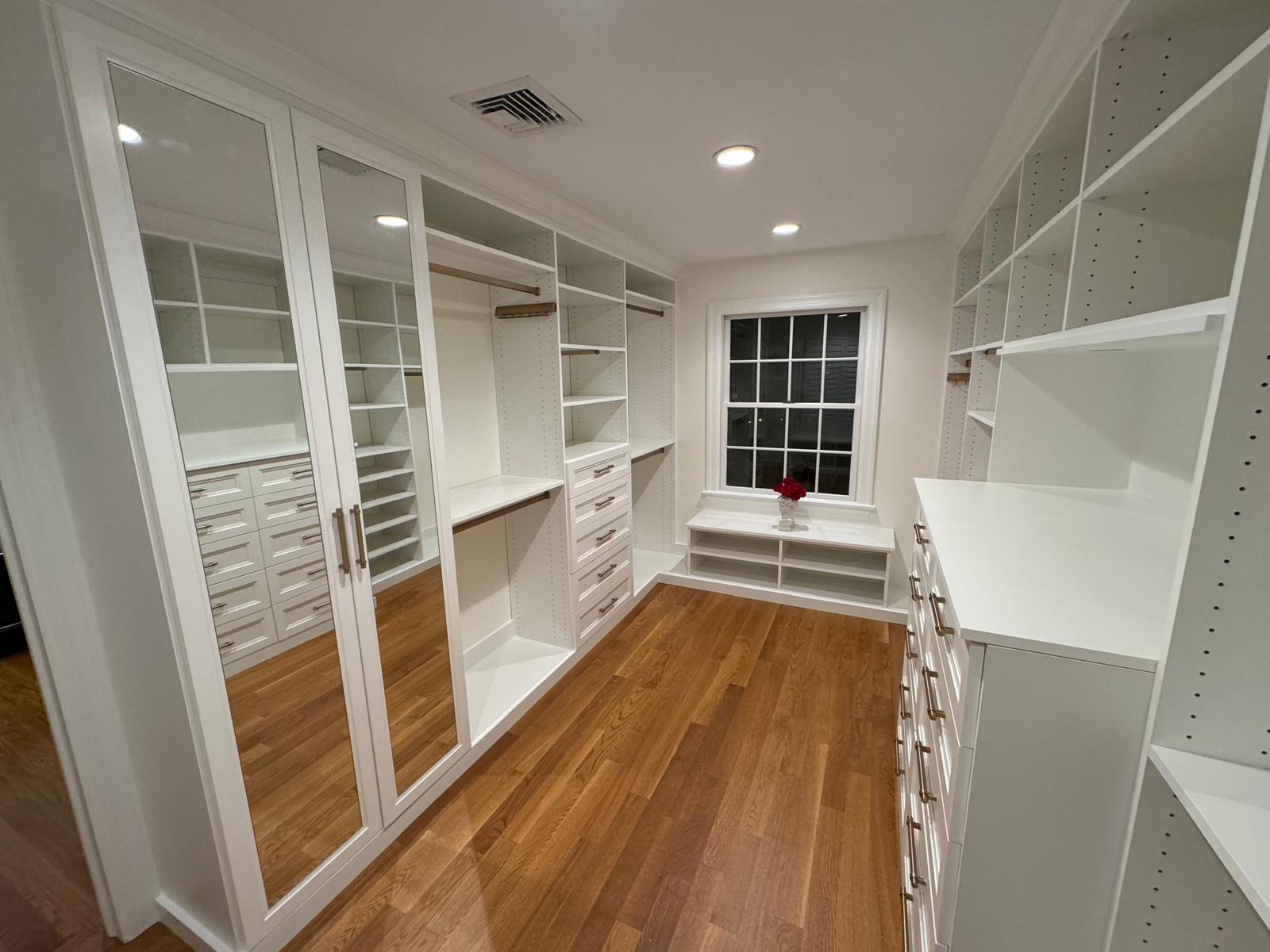
Professional Ventilation Alternatives:
- Passive Air Circulation: Strategic vent placement and airflow design
- Dehumidification Systems: Whole-house or localized humidity control
- Enhanced Natural Ventilation: Window and door positioning optimization
- Smart Climate Control: Automated humidity and temperature management
- Hybrid Solutions: Combining multiple approaches for optimal results
Our professional assessment identifies the most cost-effective solution that addresses your specific ventilation needs.
The Complete Approach: Ventilation + Organization
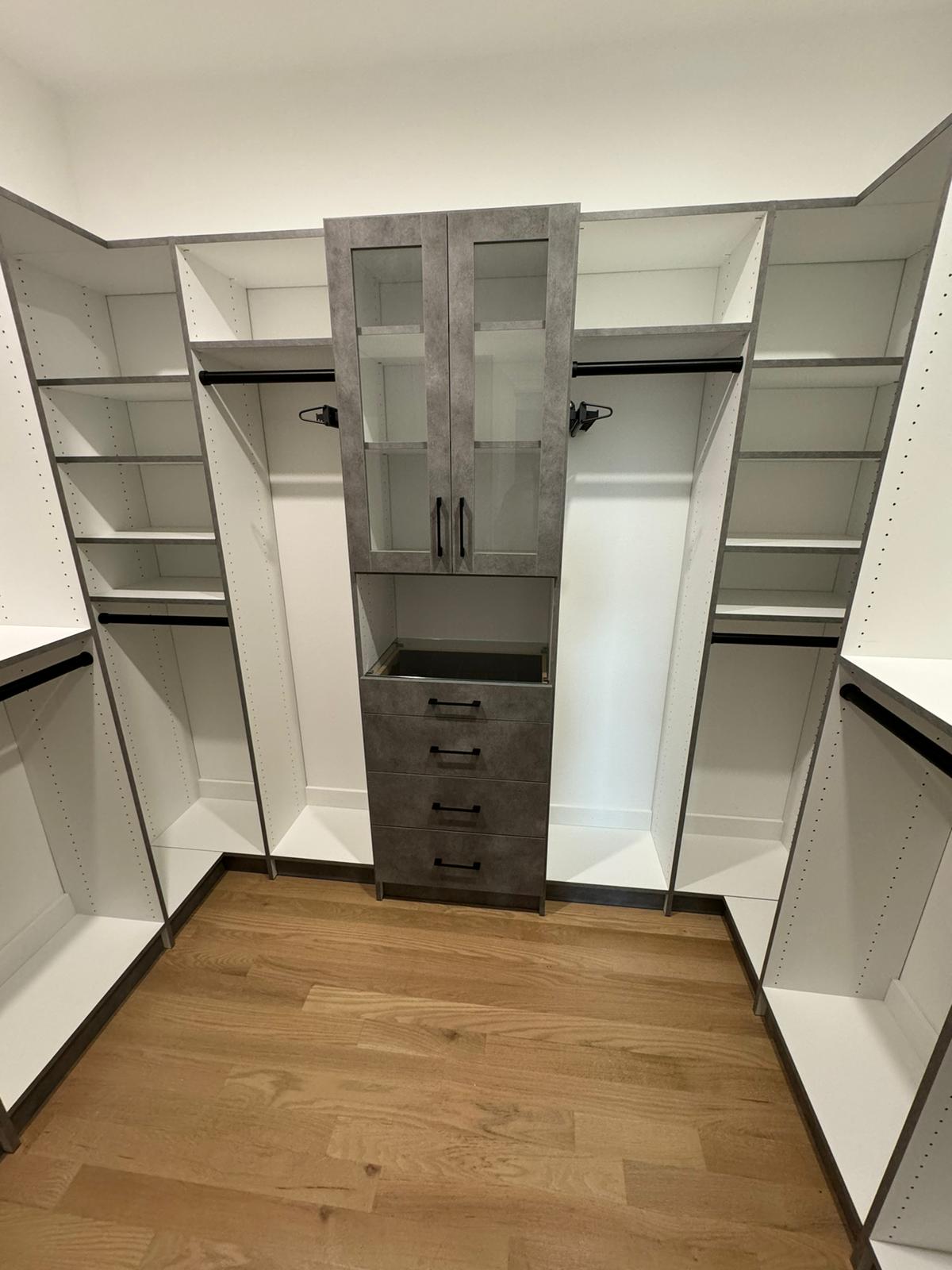
Comprehensive closet solutions address ventilation and organization simultaneously for maximum functionality and value.
Coastal Closets’ 7-step process integrates ventilation planning with custom storage design from the initial consultation through final installation.
This comprehensive approach ensures ventilation systems work harmoniously with organizational components while maintaining aesthetic appeal.
The result is a fully functional closet that protects your investment in both storage systems and stored items.
Coastal Closets’ Integrated Approach:
Design Phase
• Ventilation needs assessment
• Code compliance planning
• Integration with storage layout
Installation Phase
• Professional electrical work
• Structural modifications
• Quality control inspections
Completion Phase
• System testing and optimization
• Performance verification
• Maintenance guidance
This systematic approach eliminates the coordination challenges and potential conflicts that arise when ventilation and storage systems are installed separately.
Ready to Solve Your Closet Ventilation Problems?
Don’t let moisture, odors, and poor air quality compromise your closet investment.
Professional ventilation solutions ensure code compliance, safety, and optimal performance while integrating seamlessly with custom storage systems.
Coastal Closets’ vetted electrical contractors and comprehensive design approach deliver solutions that protect your clothing, maintain your home’s value, and provide lasting functionality.
Schedule your free consultation to discover how professional ventilation installation can transform your closet into a healthy, functional storage environment.