
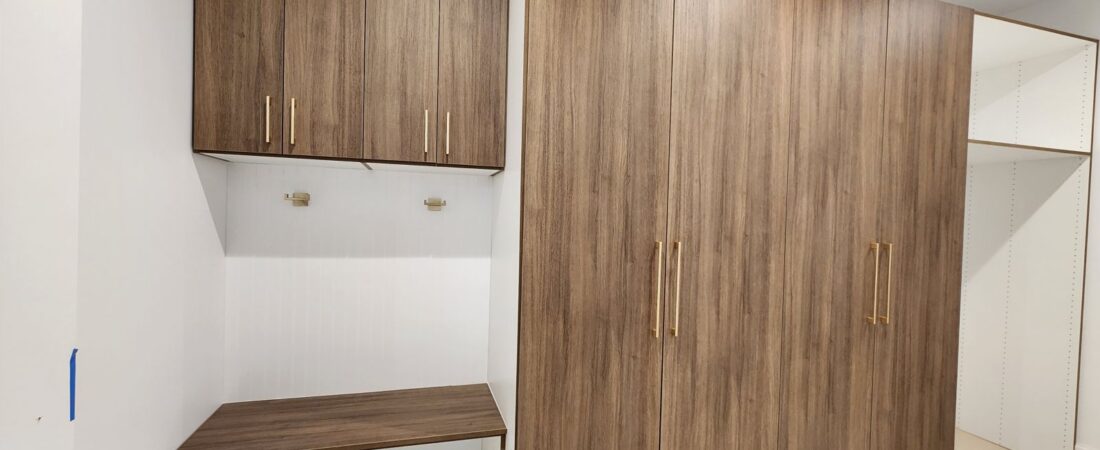
Your expensive exercise equipment deserves better than being shoved into corners, stacked against walls, or deteriorating in cluttered garages. For busy New Jersey professionals investing in quality fitness equipment, improper storage leads to damaged gear, safety hazards, and frustration every time you want to work out.
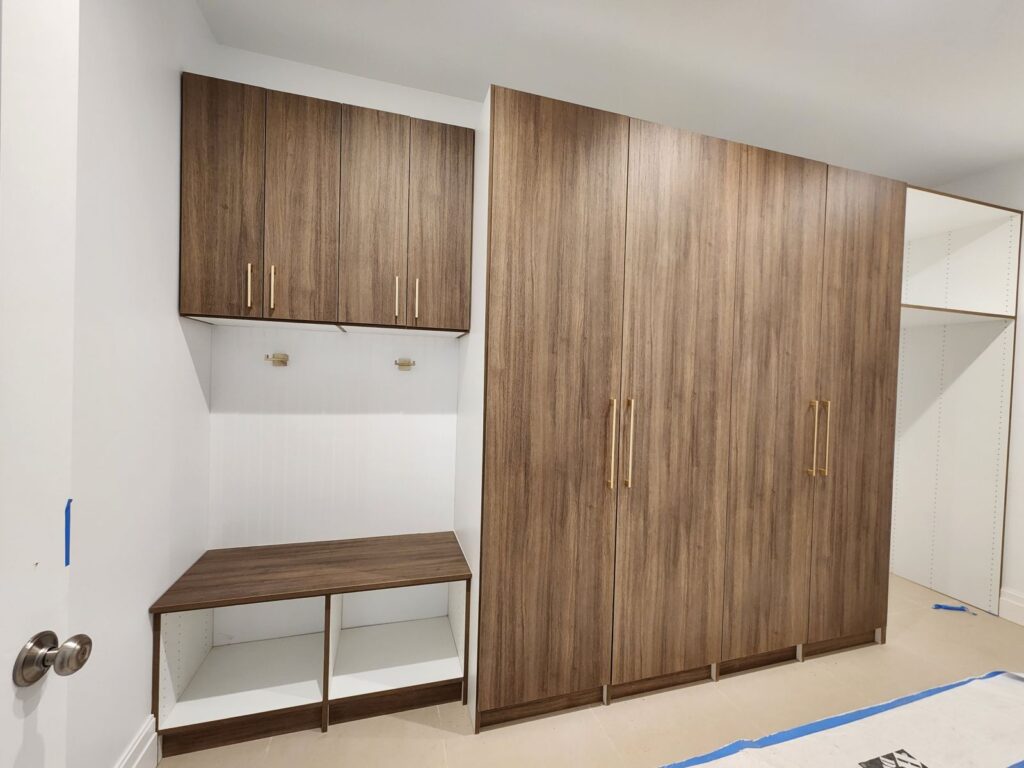
Professional exercise equipment storage isn’t just about organization – it’s about protecting your investment and ensuring safe, accessible workouts.
At Coastal Closets, we design custom storage solutions that handle the unique challenges of exercise equipment: heavy weights, awkward dimensions, and the need for easy access during workouts.
✓ Professional Weight Distribution Analysis
✓ Custom Storage for Any Equipment Type
✓ Vetted In-House Installation Team
✓ Premium Materials Built to Last
Why Exercise Equipment Storage Fails (And How to Fix It)
Most homeowners make critical mistakes when storing exercise equipment that lead to damaged gear, safety hazards, and wasted space.
Weight Distribution Problems: Standard shelving and DIY solutions can’t handle the concentrated weight of dumbbells, kettlebells, and weight plates. Shelves sag, brackets fail, and equipment crashes down.
Improper Support Systems: Generic storage racks don’t account for the unique dimensions and weight distribution of exercise equipment, leading to unstable storage that’s dangerous to access.
Accessibility Issues: Equipment gets buried behind other items, making it too inconvenient to use regularly. This defeats the purpose of having home fitness equipment.
Moisture and Environment Problems: Garages and basements where equipment is often stored expose metal components to humidity, leading to rust and deterioration.
Professional exercise equipment storage systems solve these problems with engineered solutions designed specifically for fitness equipment’s unique requirements.
Step 1: Professional Space Assessment and Equipment Inventory
Before designing any storage system, professional assessment is crucial for safety and functionality.
Our 7-step process begins with comprehensive space analysis, measuring load-bearing capabilities and identifying optimal placement zones.
Equipment Inventory Analysis:
• Weight plates and dumbbells (require reinforced bottom storage)
• Cardio equipment dimensions and ventilation needs
• Resistance bands, yoga mats, and accessories
• Seasonal equipment and future expansion plans
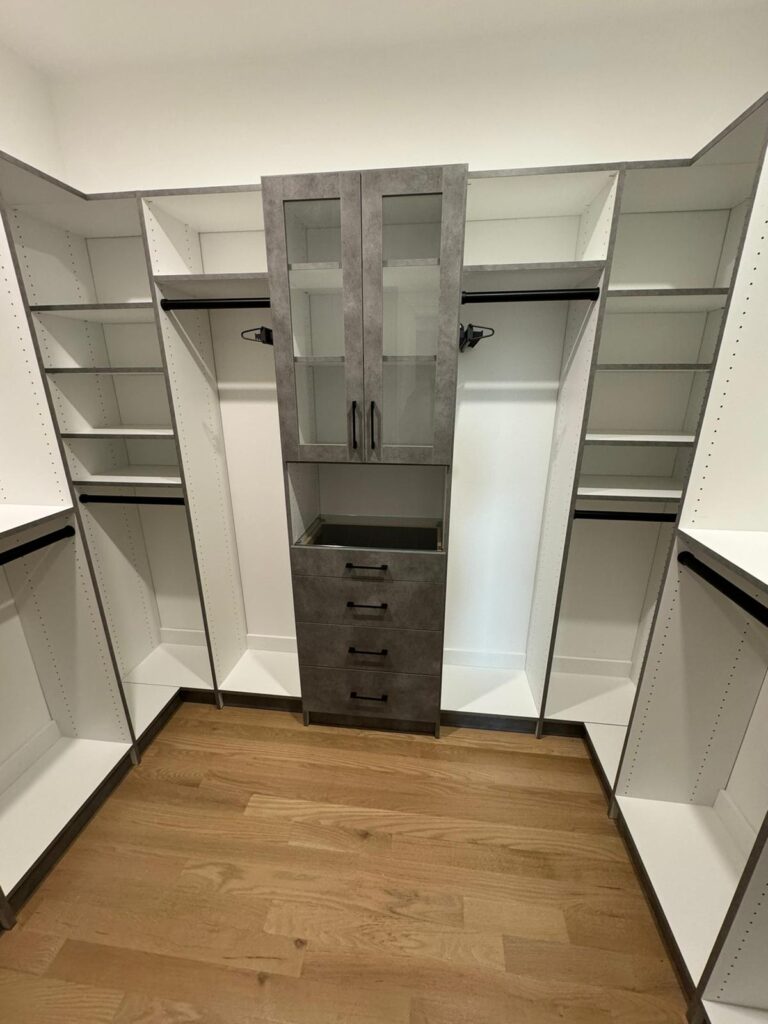
Load-Bearing Calculations: Professional installation requires engineering analysis to ensure wall-mounted systems can safely support concentrated weight loads. Our vetted contractors perform structural assessments before installation.
Traffic Flow Planning: Equipment storage must allow safe movement during workouts. We design pathways that prevent accidents and ensure quick access to frequently used items.
Environmental Considerations: New Jersey’s humidity variations require moisture-resistant materials and proper ventilation planning, especially in garage and basement installations.
Step 2: Custom Storage Zone Design for Different Equipment Types
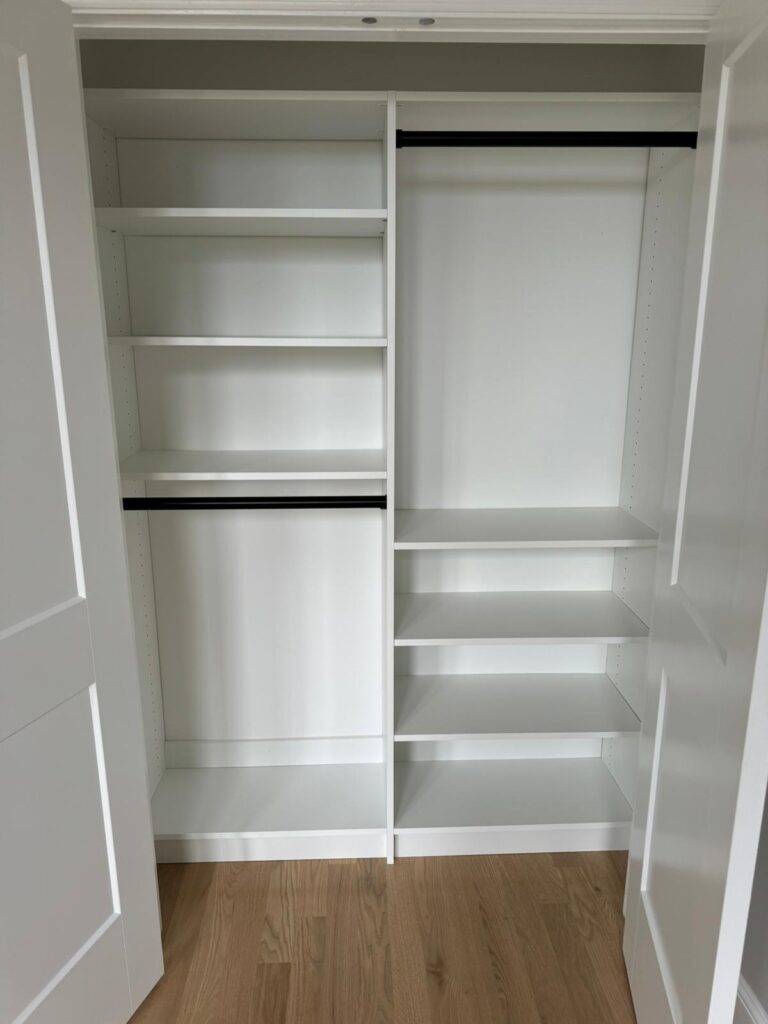
Different exercise equipment requires specialized storage approaches for safety and accessibility.
Heavy Equipment Zone: Weight plates, dumbbells, and kettlebells need floor-level storage with reinforced bases to prevent tipping and ensure safe lifting mechanics.
Accessory Storage Zone: Resistance bands, yoga blocks, and small equipment require organized compartments that prevent tangling and allow quick selection.
Cardio Equipment Area: Treadmills and stationary bikes need designated spaces with proper clearance and electrical access for safety and ventilation.
Vertical Storage Solutions: Wall-mounted systems for equipment that can be safely hung, maximizing floor space for actual workouts.
Zone-Based Organization Benefits:
Safety First: Proper zoning prevents accidents by ensuring heavy items are stored at safe heights and weights are distributed appropriately across structural supports.
Workflow Efficiency: Grouping similar equipment types creates logical workout flows and reduces time spent searching for items.
Equipment Protection: Specialized storage prevents damage from improper stacking, impacts, and environmental exposure.
Future Expansion: Professional zone design includes space for equipment additions without requiring complete system overhaul.
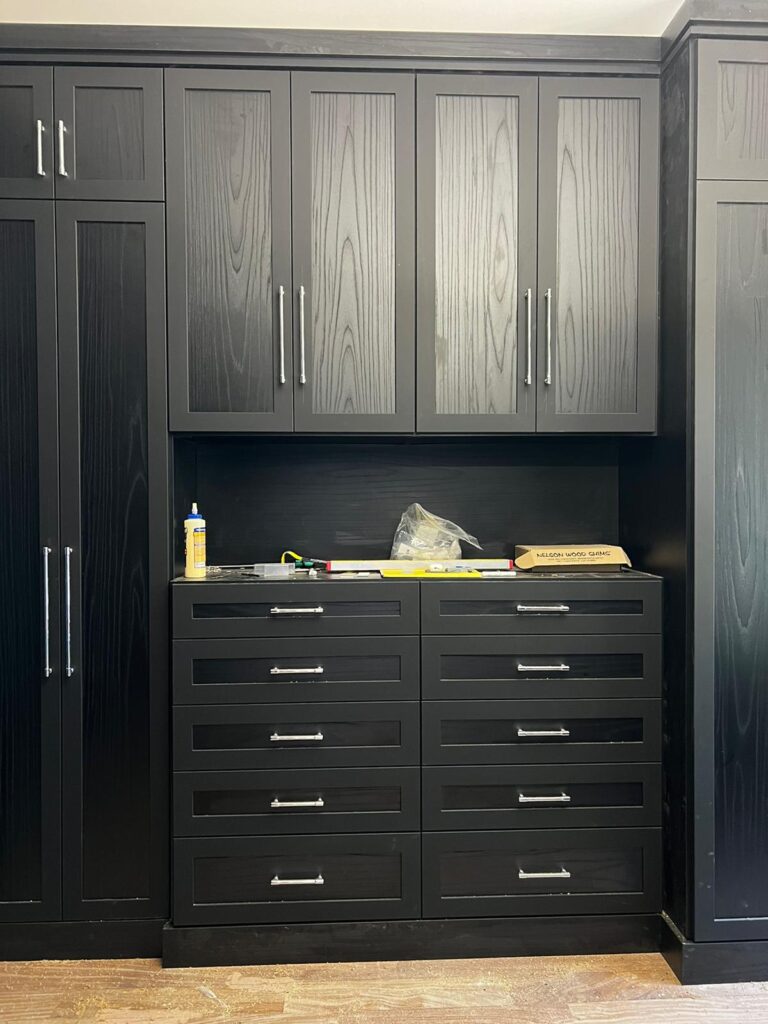
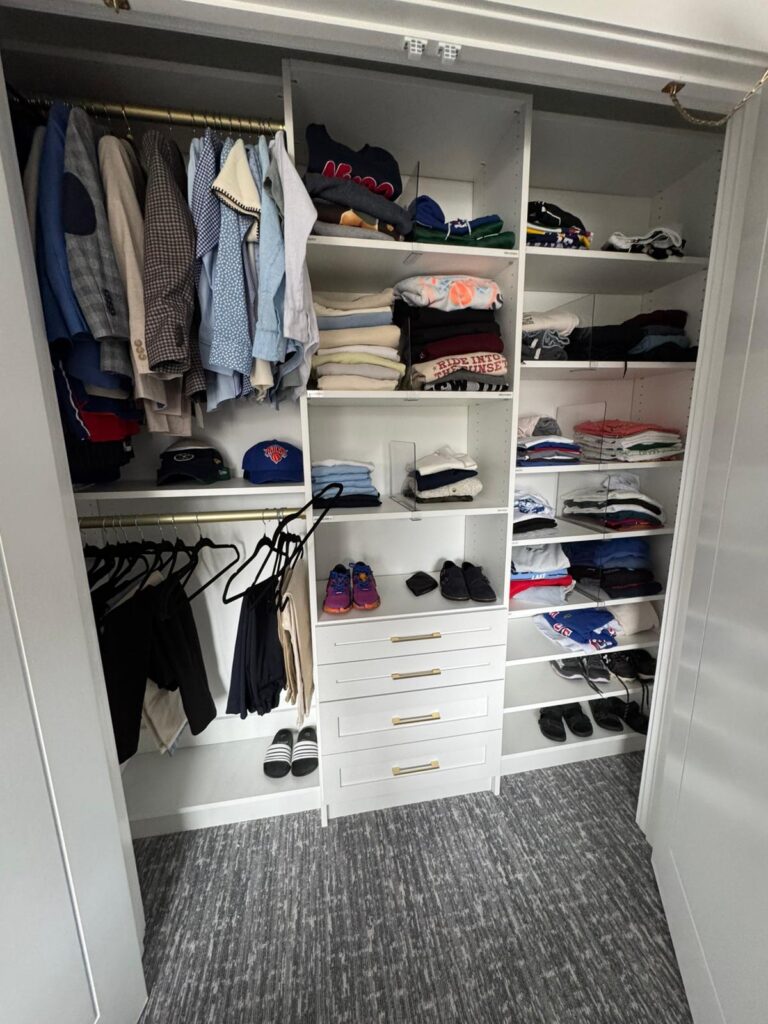
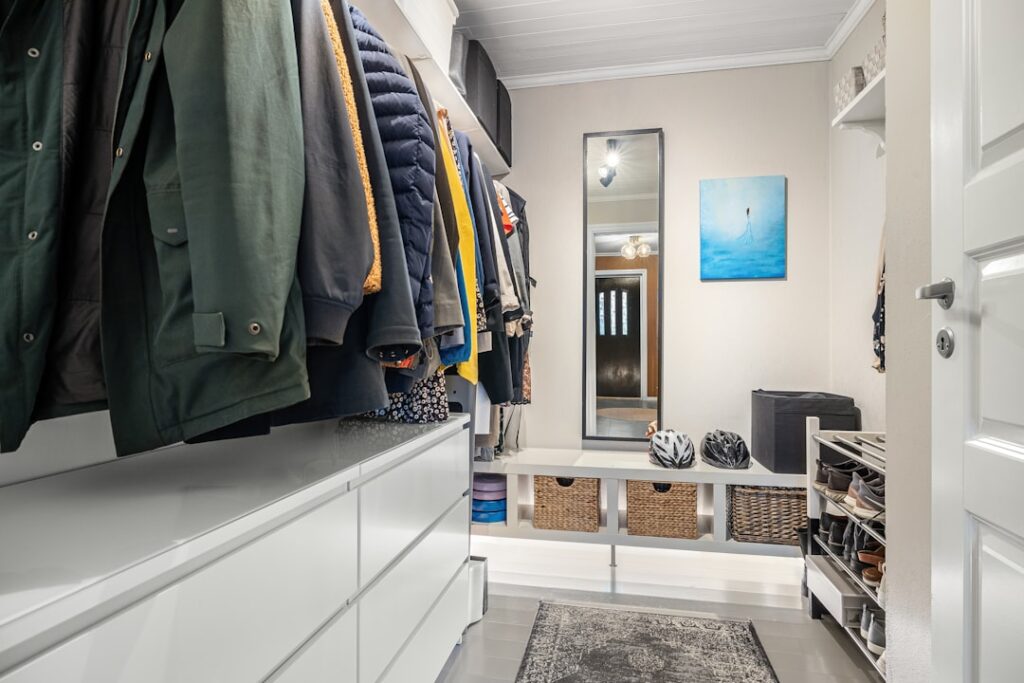
These professional storage installations demonstrate the versatility of custom systems – from garage workshops that accommodate both tools and exercise equipment, to organizational systems that keep accessories neat and accessible, to bench storage that can double as equipment seating.
Step 3: Professional Installation with Proper Weight Distribution
The difference between DIY storage failures and professional success lies in proper installation techniques and materials designed for exercise equipment’s unique demands.
Structural Engineering Approach: Our vetted contractors don’t guess about weight capacity – they calculate exact load distributions and select appropriate fasteners, brackets, and reinforcement materials.
Wall-Mounted System Requirements:
• Heavy-duty toggle bolts rated for dynamic loads (not just static weight)
• Strategic placement to hit wall studs for maximum support
• Reinforcement plates to distribute weight across larger wall areas
• Safety factors that exceed manufacturer specifications
Floor-Based Storage Foundations: Heavy equipment storage requires proper weight distribution across floor surfaces, especially in garage and basement installations where concrete may not be uniformly thick.
Professional Installation Benefits:
Insurance and Liability: Professional installation includes warranties and insurance coverage, protecting you from damage caused by installation failures.
Code Compliance: Our installations meet all relevant building codes and safety standards for New Jersey municipalities.
Quality Materials: We use premium hardware and materials specifically rated for the loads and environmental conditions in your space.
Step 4: Specialized Features That Protect Your Investment
Professional exercise equipment storage includes specialized features that DIY solutions can’t provide.
Climate Control Integration: Equipment protection requires controlling humidity and temperature fluctuations that cause metal corrosion and rubber deterioration.
Protective Padding Systems: Custom-fit foam padding and protective surfaces prevent scratches, dents, and impact damage during storage and retrieval.
Security Features: Valuable exercise equipment needs protection from theft, especially in garage installations accessible from outside.
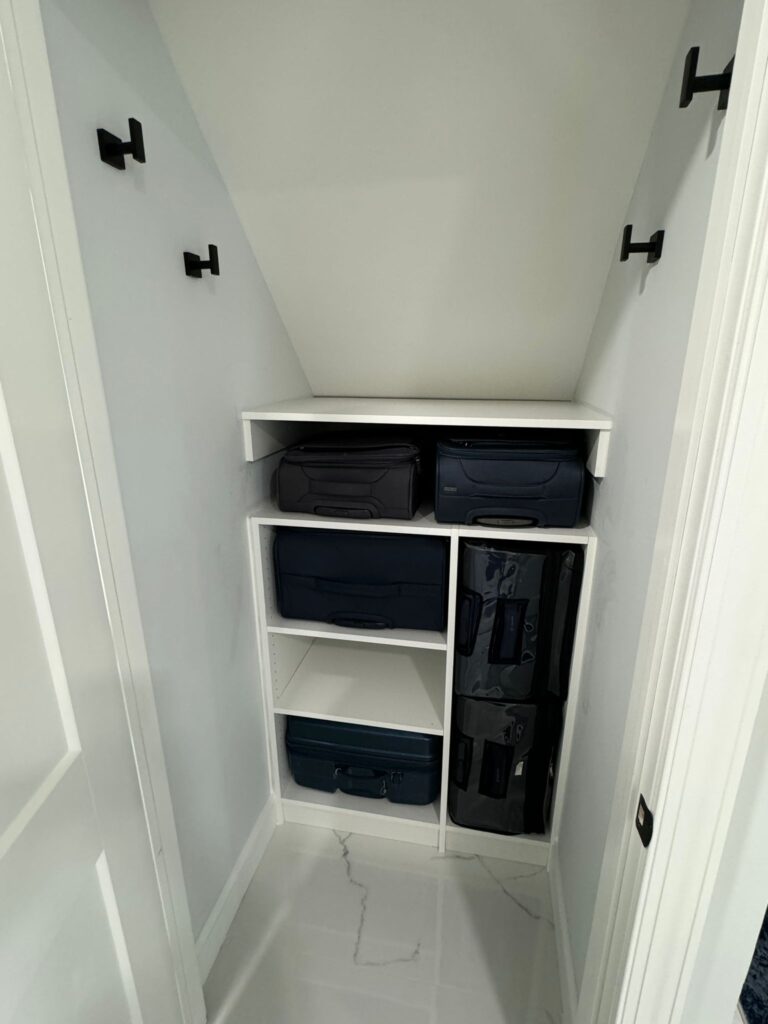
Space Utilization: Even unusual spaces like under-stair areas can become efficient storage with proper professional design.
Advanced Organization Features:
Adjustable Systems: As your fitness routine evolves, professional storage systems can be reconfigured without complete replacement.
Quick-Access Design: Storage systems designed for equipment you use multiple times per week prioritize easy access over maximum capacity.
Safety Integration: Professional systems include features like rounded corners, smooth edges, and stable bases that prevent injury during equipment retrieval.
Ventilation Planning: Proper airflow around stored equipment prevents moisture buildup and odor accumulation, especially important for New Jersey’s humid summers.
Maintenance Accessibility: Storage systems are designed to allow easy cleaning and equipment maintenance without requiring complete system disassembly.
Professional Exercise Equipment Storage vs. DIY Solutions
The investment in professional exercise equipment storage pays dividends in equipment protection, safety, and long-term functionality.
DIY Storage Problems
• Shelving failure under weight
• Safety hazards from improper installation
• Equipment damage from inadequate support
• Wasted space from poor planning
Professional Solutions
• Engineered weight distribution
• Warranty and insurance protection
• Custom fit for specific equipment
• Future expansion capability
Generic Rack Systems
• One-size-fits-all limitations
• Insufficient weight capacity
• Poor space utilization
• Limited adjustment options
Coastal Closets Advantage
• Custom designed for your equipment
• Professional installation team
• Premium materials and hardware
• Comprehensive planning process
Why New Jersey Homeowners Choose Professional Exercise Equipment Storage
Affluent New Jersey professionals understand that protecting valuable exercise equipment requires the same attention to quality as their other home investments.
Equipment Protection: High-quality exercise equipment represents a significant investment. Professional storage systems protect this investment from damage, theft, and environmental deterioration.
Safety First: Improper storage creates safety hazards for families. Professional installation ensures equipment is stored safely and accessed without risk of injury.
Home Value: Well-designed exercise equipment storage adds value to homes, especially in New Jersey’s competitive real estate market where fitness amenities are increasingly important.
Convenience Factor: Professional storage systems make equipment easily accessible, encouraging regular use and supporting fitness goals.
Space Optimization: New Jersey homes often have limited space. Professional design maximizes storage efficiency while maintaining functionality.
Ready to Transform Your Exercise Space?
Your exercise equipment deserves professional storage solutions that prioritize safety, accessibility, and equipment protection. Don’t risk damage to valuable fitness investments with inadequate DIY storage.
At Coastal Closets, our proven 7-step process ensures your exercise equipment storage system is engineered for your specific needs, professionally installed by our vetted contractors, and built with premium materials designed to last.
From comprehensive space assessment to specialized features that protect your investment, we create storage solutions that make your home fitness routine safer, more convenient, and more enjoyable.