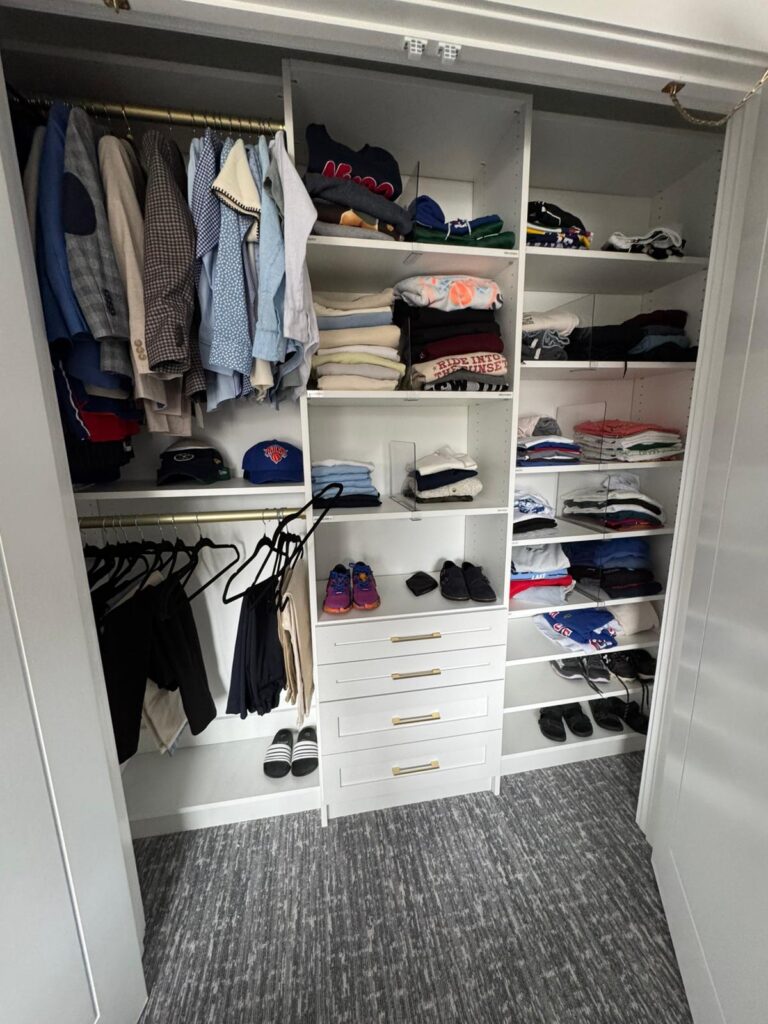
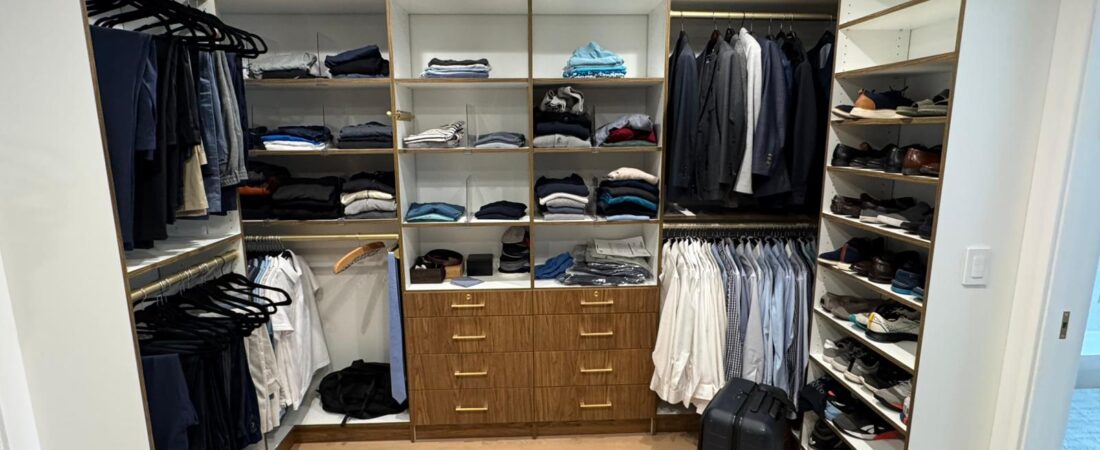
Your morning routine shouldn’t start with wrestling through piles of wrinkled clothes or searching through cluttered shelves for that perfect shirt. For busy New Jersey professionals juggling demanding careers and active lifestyles, an organized closet with properly folded clothes can transform chaotic mornings into smooth, efficient starts to your day.
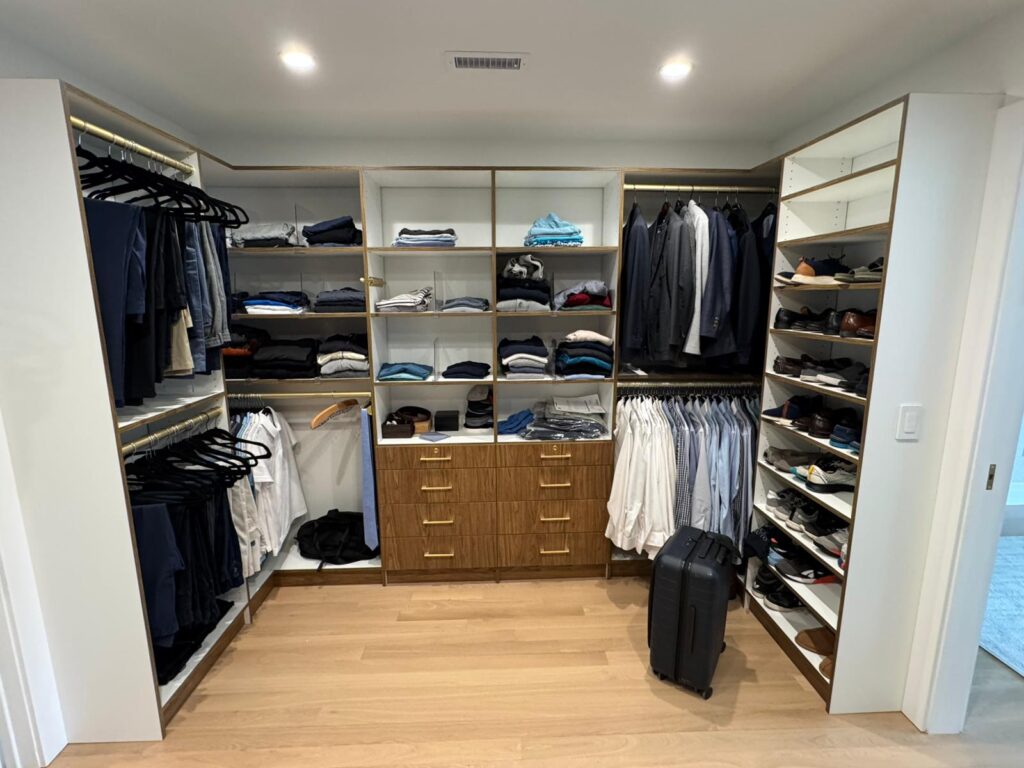
Transform your daily routine with strategic clothes folding techniques that maximize every inch of closet space.
At Coastal Closets, we help New Jersey homeowners create organized storage systems that work with their lifestyle, combining smart folding strategies with custom solutions designed for long-term success.
✓ Professional Organization Systems
✓ Custom Storage Solutions
✓ Vetted In-House Contractors
✓ Maximizes Existing Space
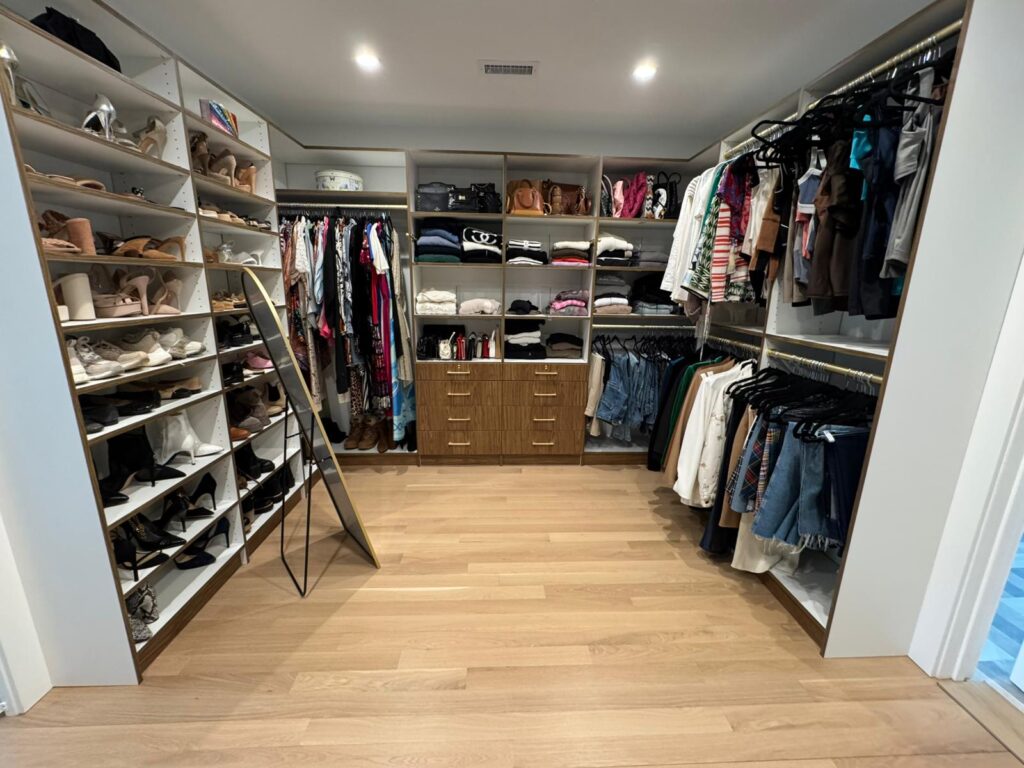
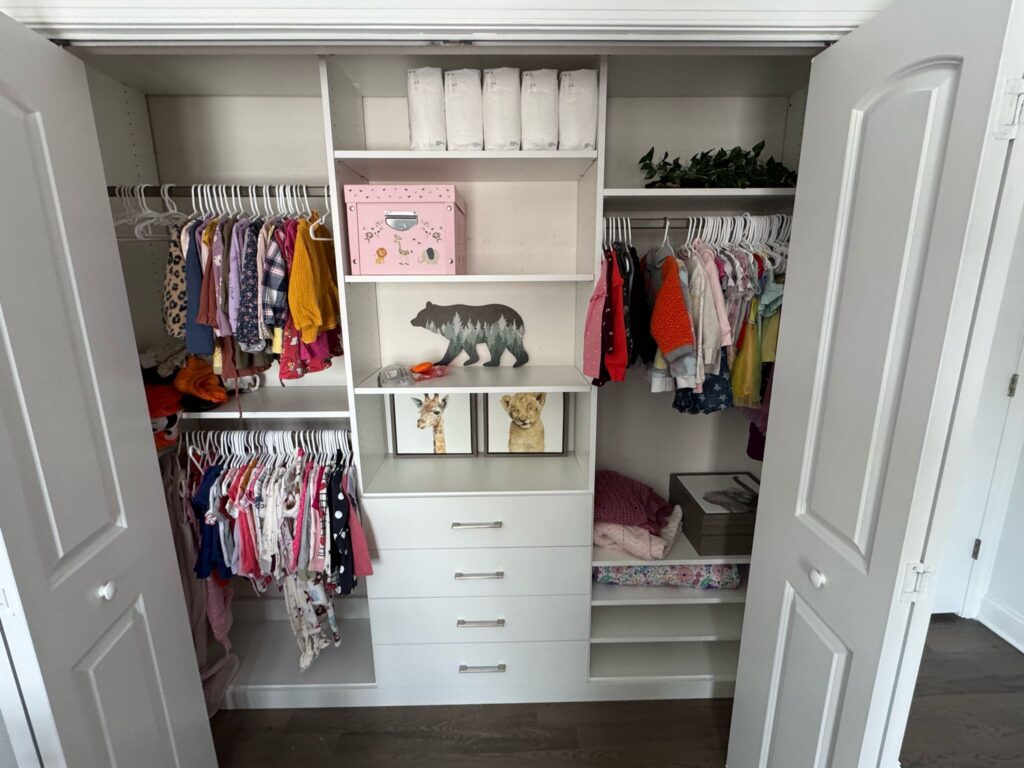
Whether you’re working with a compact reach-in closet or a spacious walk-in wardrobe, the right folding techniques combined with strategic organization can dramatically increase your storage capacity while keeping your clothes wrinkle-free and easily accessible.
This comprehensive guide will walk you through proven folding methods, space-maximizing strategies, and professional organization solutions that busy New Jersey professionals use to maintain perfectly organized closets year-round.
Essential Folding Techniques That Save Space
The foundation of maximum closet storage lies in mastering basic folding techniques that create uniform, stackable pieces.
Professional organizers consistently recommend the “file folding” method for t-shirts, sweaters, and casual wear because it allows clothes to stand upright in drawers and on shelves, maximizing visibility and accessibility.
Start by laying your garment face-down on a flat surface, fold one side toward the center, then fold the sleeve back over itself to create a clean rectangle.
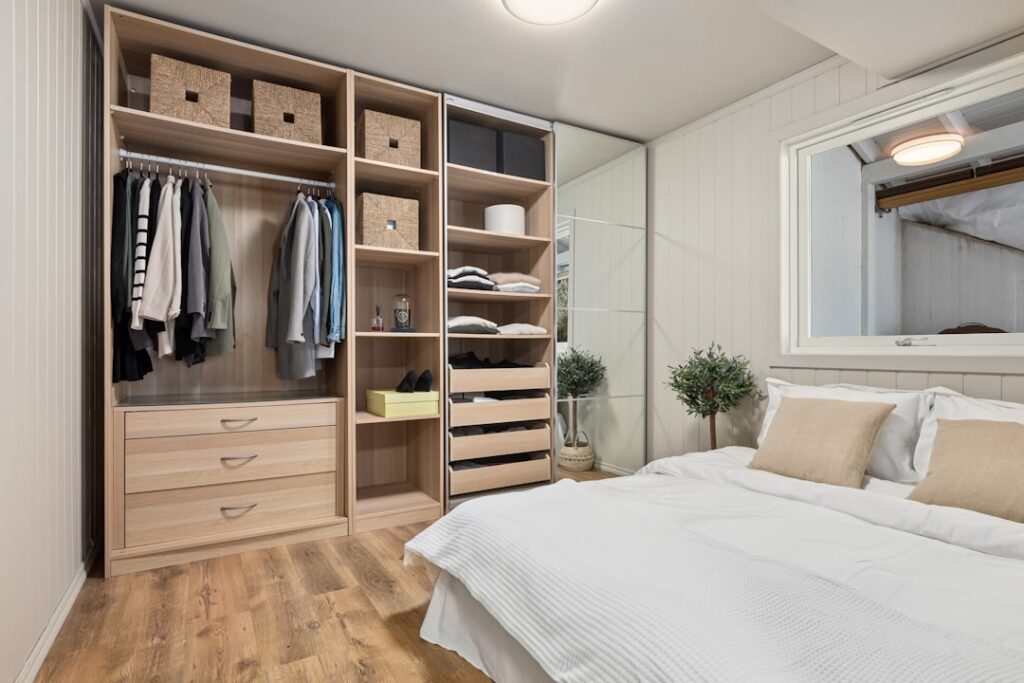
For dress shirts and blouses, use the “formal fold” method: button the shirt completely, lay it face-down, fold the sleeves across the back, then fold the shirt in half from bottom to collar. This technique prevents wrinkles while creating compact, stackable units.
Pants and trousers benefit from the “trouser fold”: align the legs, fold in half at the knee, then fold again at the waist. This creates a compact rectangle that stacks beautifully and maintains creases in dress pants.
File Folding Method
• Stand clothes upright
• Maximize drawer space
• Easy visual access
• Prevents wrinkles
Formal Fold Technique
• Button shirts completely
• Fold sleeves across back
• Creates compact rectangles
• Maintains professional appearance
Trouser Fold System
• Align legs precisely
• Double fold for compactness
• Preserves dress pant creases
• Perfect stacking capability
Organizing Different Clothing Types Efficiently
Different clothing categories require specific folding and storage approaches to maximize space efficiency while maintaining fabric integrity and accessibility.
Delicate fabrics like silk blouses and lightweight sweaters should be folded with acid-free tissue paper between layers to prevent creasing and fabric damage. Store these items in shallow drawers or on upper shelves where they won’t be compressed by heavier garments.
Heavy knits and bulky sweaters benefit from loose folding techniques that prevent stretching. Fold these items in half just once, and store them on sturdy shelves rather than in drawers to prevent compression damage.
Activewear and casual clothing can handle more aggressive space-saving techniques. Use vacuum storage bags for seasonal items, and employ tight file-folding for everyday workout clothes and casual wear.
Undergarments and socks require specialized organization systems. Roll socks into tight balls and store them in compartmentalized drawer organizers. Fold underwear using the envelope method to create flat, stackable packages.
Maximizing Vertical Storage in Any Closet
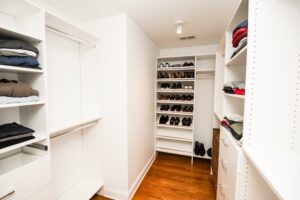
Most closets have significant untapped vertical storage potential that proper folding techniques can help you access.
Stack folded items by weight and frequency of use: lighter, frequently-worn clothes at eye level, heavier seasonal items on upper shelves, and bulky items like comforters in lower areas.
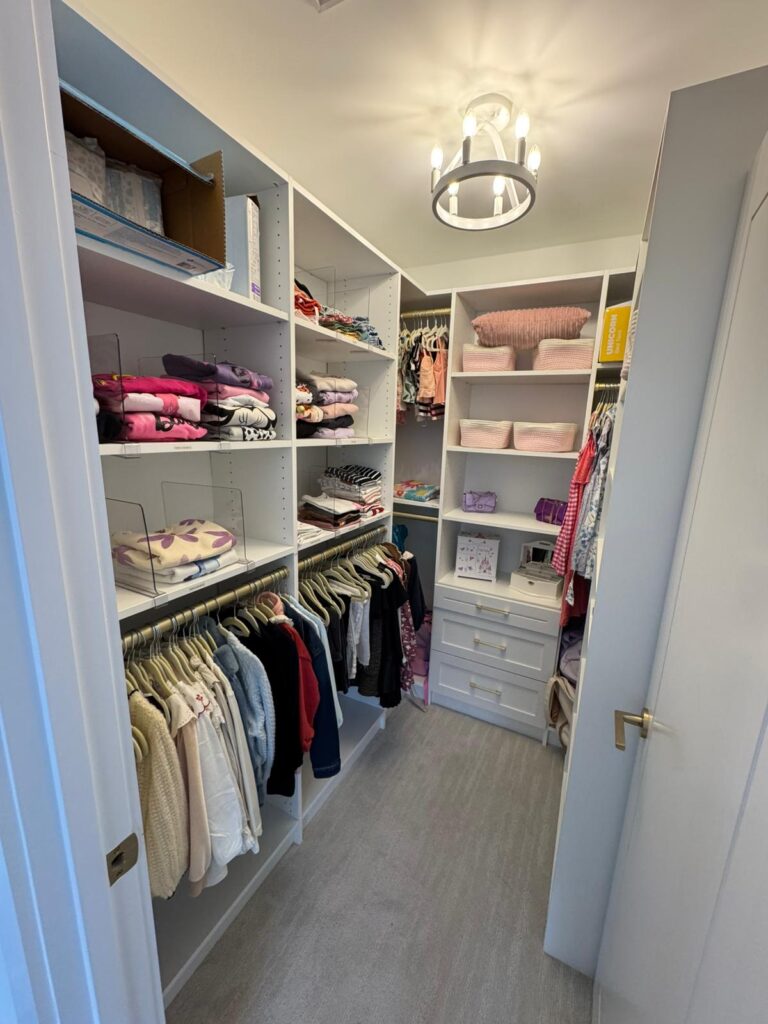
Use shelf dividers to create distinct sections for different clothing categories, preventing stacks from toppling and mixing together.
Install additional shelving between existing shelves to create more horizontal surfaces for folded clothes. Most closets can accommodate 2-3 additional shelves without requiring major renovation.
Consider over-door organizers for lightweight folded items like t-shirts, pajamas, and undergarments. These systems add significant storage capacity without requiring any permanent installation.
Utilize the space above hanging rods by installing shelves or using stackable storage bins for folded seasonal clothing, linens, and rarely-used formal wear.