Choosing between glass doors and open shelving for your storage solutions represents one of the most impactful decisions you’ll make during your home organization project.
For discerning New Jersey homeowners, this choice affects not only the visual appeal of your space but also daily functionality, maintenance requirements, and long-term satisfaction with your investment.
The storage solution you choose today will impact your daily routine for decades to come.
At Coastal Closets, we help New Jersey homeowners navigate this important decision by understanding how each option aligns with their lifestyle, maintenance preferences, and aesthetic goals.
✓ Expert Design Consultation
✓ Premium Materials & Finishes
✓ Vetted In-House Installation
✓ Hybrid Solutions Available
What’s the Real Difference Between Glass Doors and Open Shelving?
The distinction between glass doors and open shelving extends far beyond visual preferences.
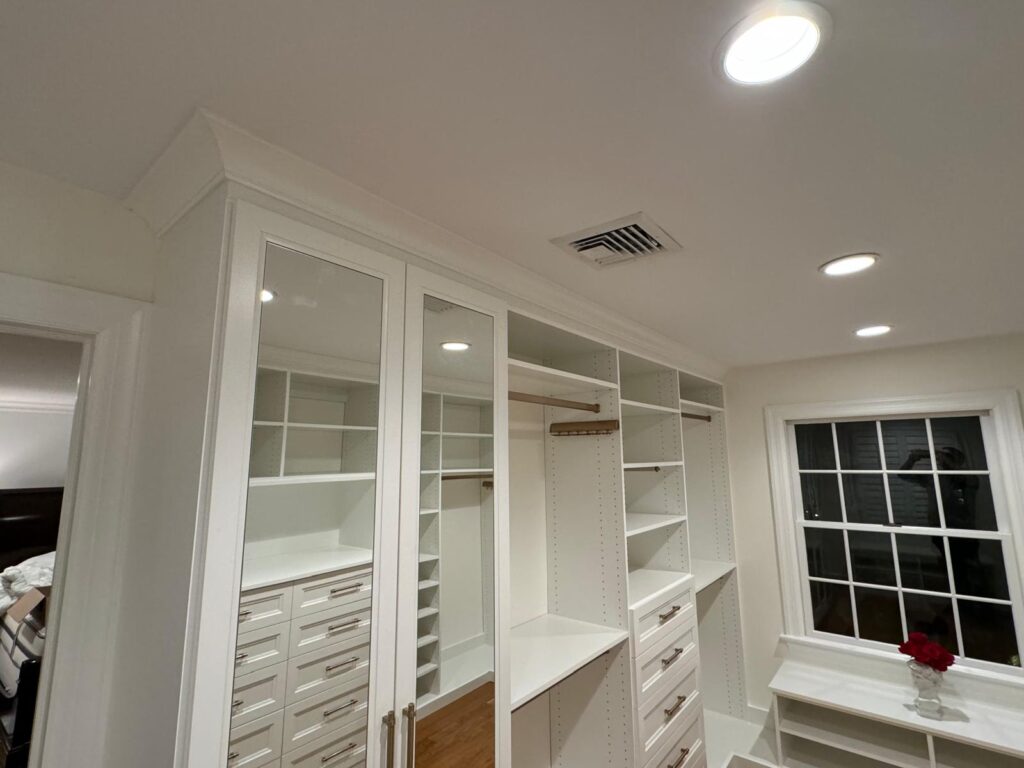
Glass doors create enclosed, protected storage that maintains organization while providing visual access to contents.
Open shelving offers immediate accessibility and creates an opportunity to display items as part of your room’s decor.
Understanding these fundamental differences helps homeowners make informed decisions based on their specific needs, lifestyle patterns, and long-term satisfaction goals.
Glass Door Storage: Elegance with Protection
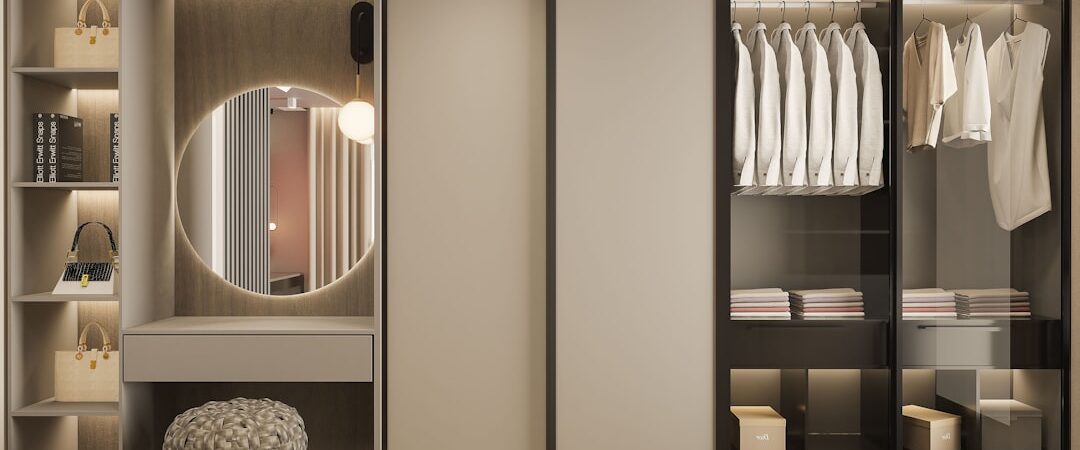
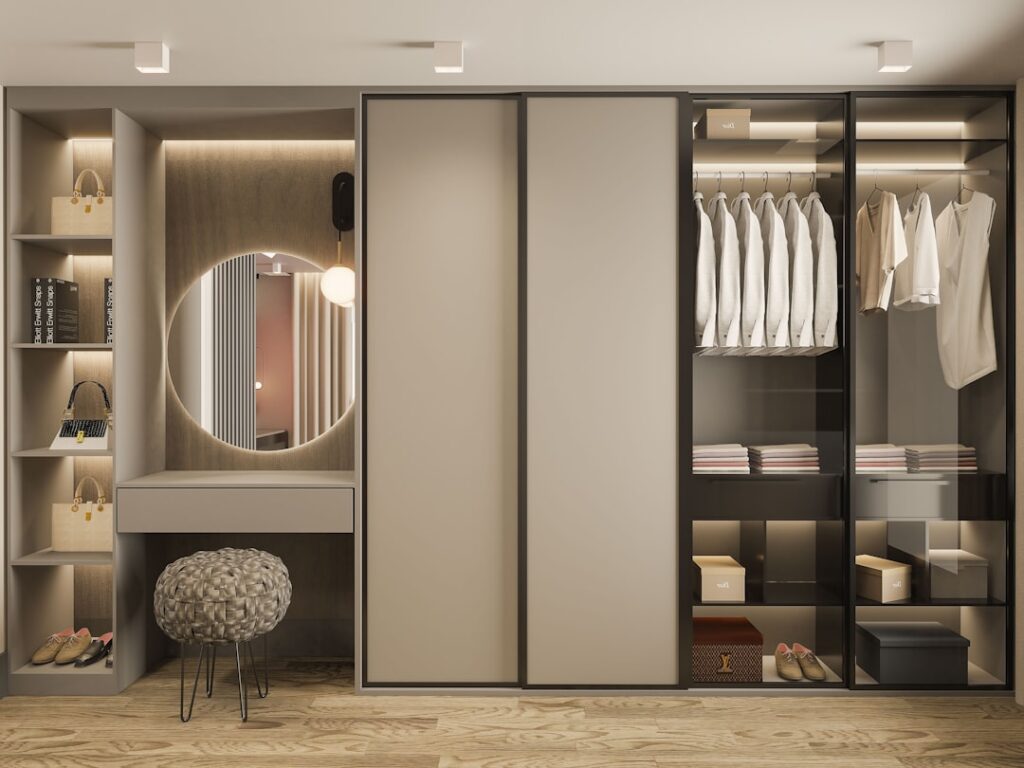
Glass doors deliver sophisticated storage that protects belongings while maintaining visual appeal.
This storage approach excels in master bedrooms, formal dining rooms, and luxury closets where dust protection and organized presentation matter most.
Key advantages of glass door storage:
• Dust and moisture protection for delicate items
• Maintains organized appearance even when contents vary
• Creates sophisticated, upscale aesthetic
• Allows visual inventory without opening doors
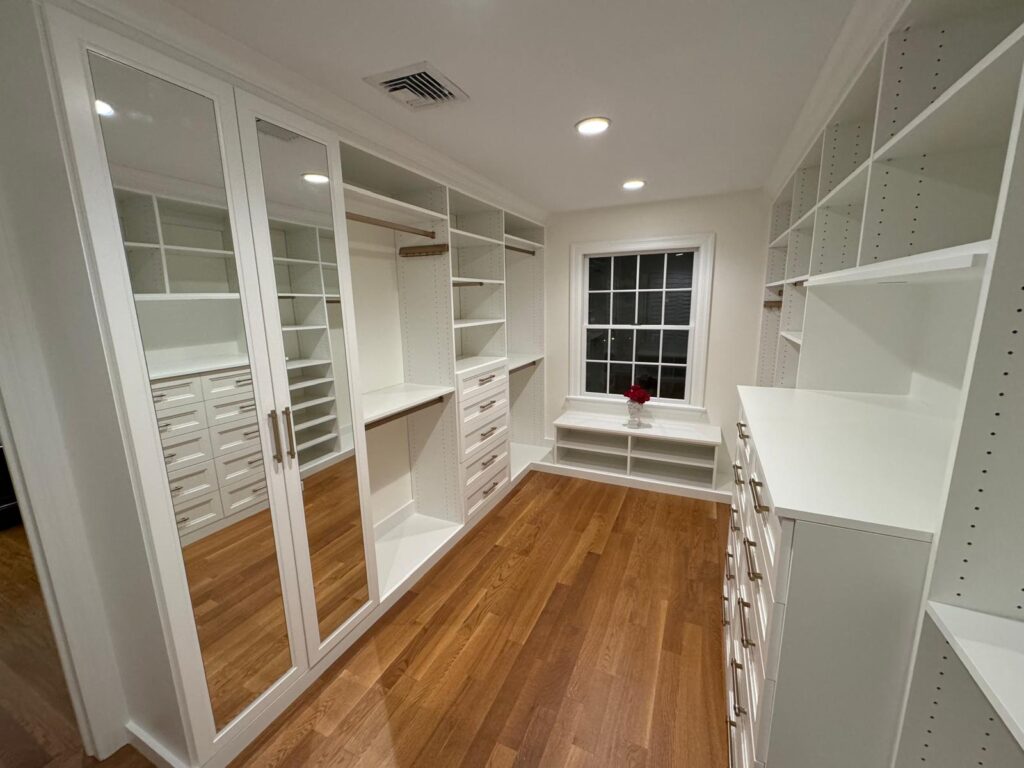
Glass doors perform particularly well for homeowners who value pristine presentation and have collections they want to showcase while protecting.
Fine china, crystal glassware, designer handbags, and formal wear benefit significantly from the dust-free environment glass doors provide.
Open Shelving: Accessibility and Visual Appeal
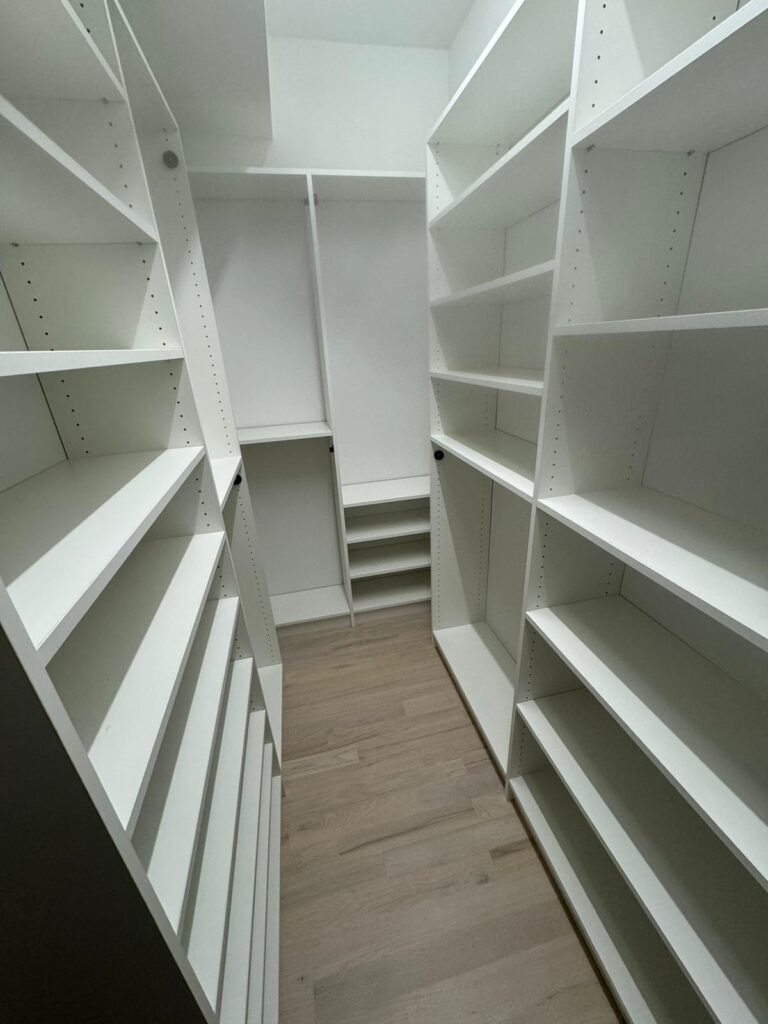
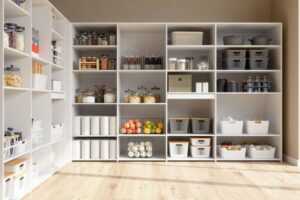
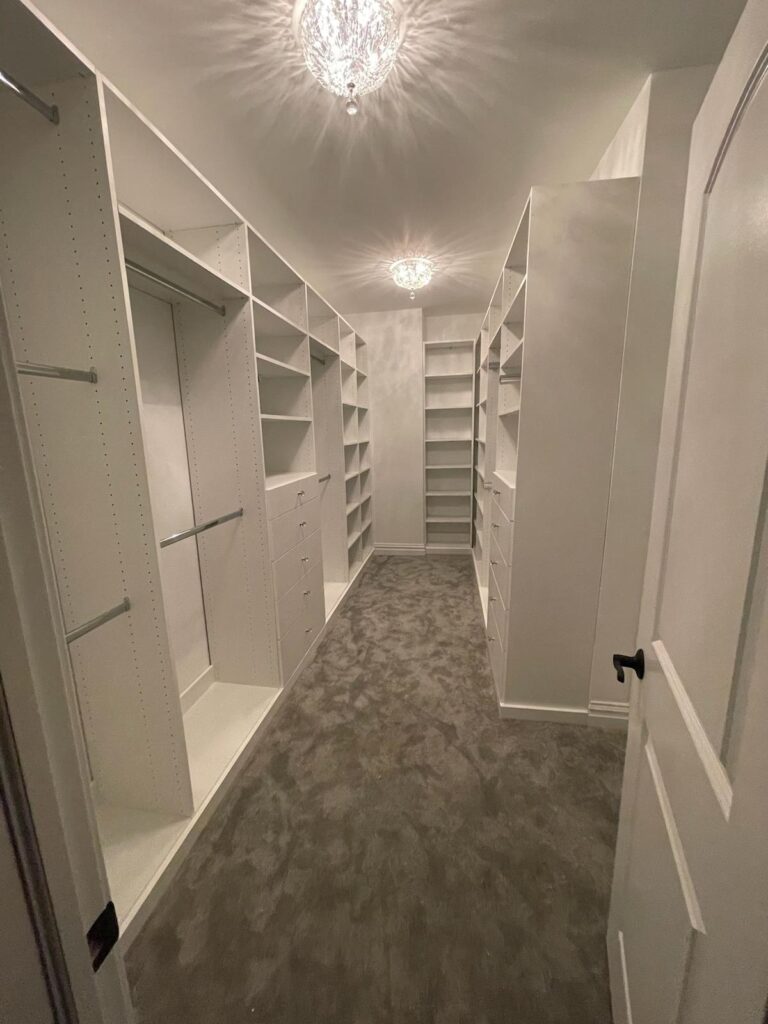
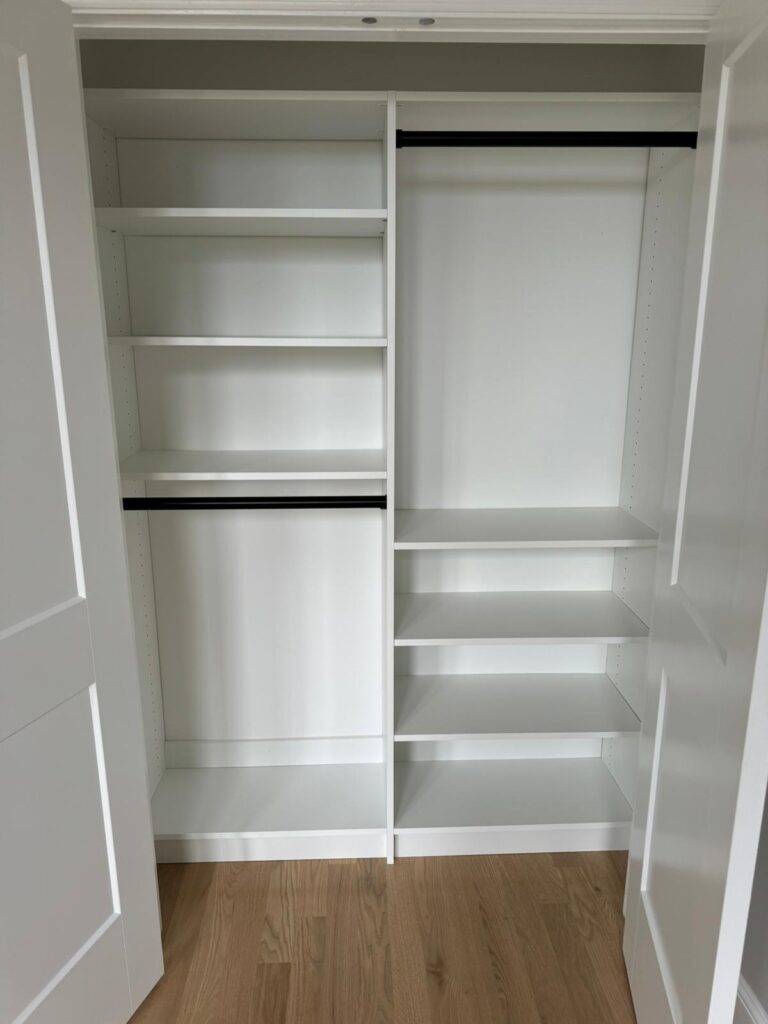
Open shelving maximizes accessibility and creates opportunities for beautiful, functional displays.
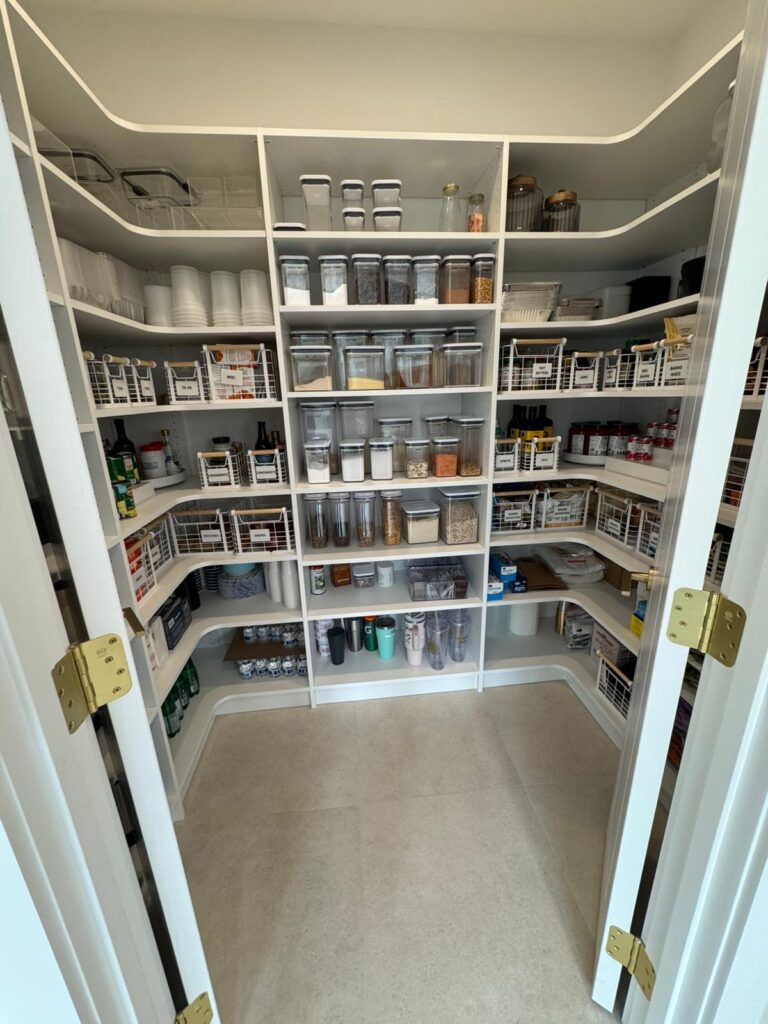
This approach works exceptionally well in kitchens, pantries, home offices, and casual living spaces where frequent access and visual appeal combine.
Primary benefits of open shelving:
• Immediate access without opening doors
• Creates open, airy feeling in smaller spaces
• Allows decorative display of attractive items
• Generally more cost-effective than glass door systems
• Easier to reconfigure and adjust over time
Open shelving thrives in environments where the stored items themselves contribute to the room’s aesthetic appeal.
Beautifully organized pantry items, coordinated storage containers, books, and decorative objects all enhance rather than detract from the overall design when displayed on open shelves.
Side-by-Side Comparison: Making the Right Choice
Understanding how glass doors and open shelving perform across different criteria helps homeowners make confident decisions.
Maintenance Requirements
• Glass Doors: Periodic cleaning of glass surfaces, fingerprint management, door mechanism maintenance
• Open Shelving: Regular dusting of shelves and displayed items, more frequent organization touch-ups
Cost Considerations
• Glass Doors: Higher upfront investment due to glass, hardware, and precise installation requirements
• Open Shelving: More budget-friendly initial cost, easier to modify and expand over time
Aesthetic Impact
• Glass Doors: Creates refined, sophisticated appearance; works well with luxury finishes
• Open Shelving: Contributes to casual, approachable atmosphere; highlights displayed items
Functionality Factors
• Glass Doors: Excellent for protecting valuable items; requires door opening for access
• Open Shelving: Immediate access; everything visible but exposed to dust and environmental factors
The optimal choice depends on your specific priorities: protection versus accessibility, formal versus casual aesthetic, and maintenance preferences.