
Discovering moisture damage, musty odors, or mold growth in your custom closets represents every New Jersey homeowner’s nightmare—especially after investing thousands in premium storage solutions.
Proper closet ventilation installation isn’t just about comfort; it’s essential for protecting your wardrobe, maintaining indoor air quality, and preserving your home’s value in New Jersey’s humid climate.
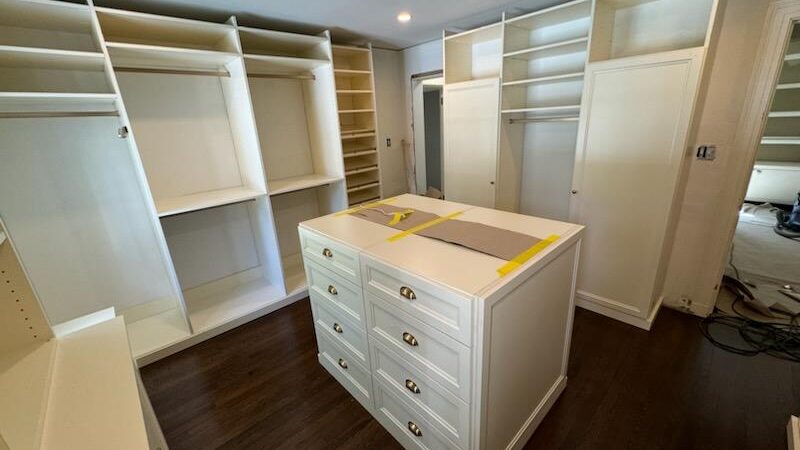
Professional closet ventilation installation during construction ensures optimal air circulation and moisture control from day one.
At Coastal Closets, our vetted contractors integrate ventilation planning into every custom installation, addressing New Jersey’s specific humidity challenges and building code requirements.
✓ Building Code Compliant Installation
✓ Moisture Control Systems Integration
✓ Energy-Efficient Ventilation Solutions
✓ Professional Assessment and Planning
Why Proper Closet Ventilation Is Critical in New Jersey
New Jersey’s climate presents unique challenges for closet ventilation, with humidity levels fluctuating dramatically between seasons.
Summer humidity can exceed 70%, while winter heating systems create dry conditions that cause rapid temperature changes—the perfect recipe for moisture problems in enclosed spaces.
Moisture-Related Problems in Poorly Ventilated Closets:
- Mold and mildew growth on clothing and storage materials
- Musty odors that penetrate fabrics and contaminate wardrobes
- Wood warping and finish damage on custom storage systems
- Metal hardware corrosion and deterioration
- Pest infestations attracted to humid environments
- Adhesive failure on laminate and veneer surfaces
Air Quality and Health Concerns:
Stagnant air in closets becomes a breeding ground for allergens, dust mites, and volatile organic compounds (VOCs) from clothing treatments and storage materials.
Poor ventilation can contribute to respiratory issues, especially for family members with asthma or allergies.
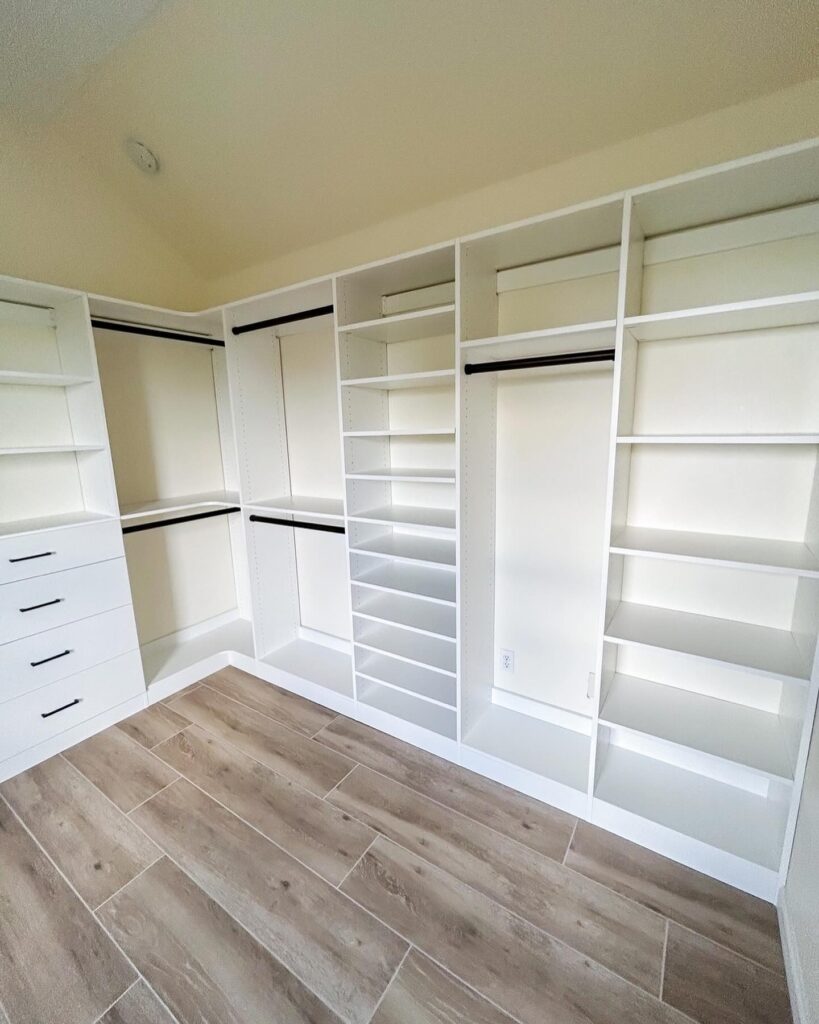

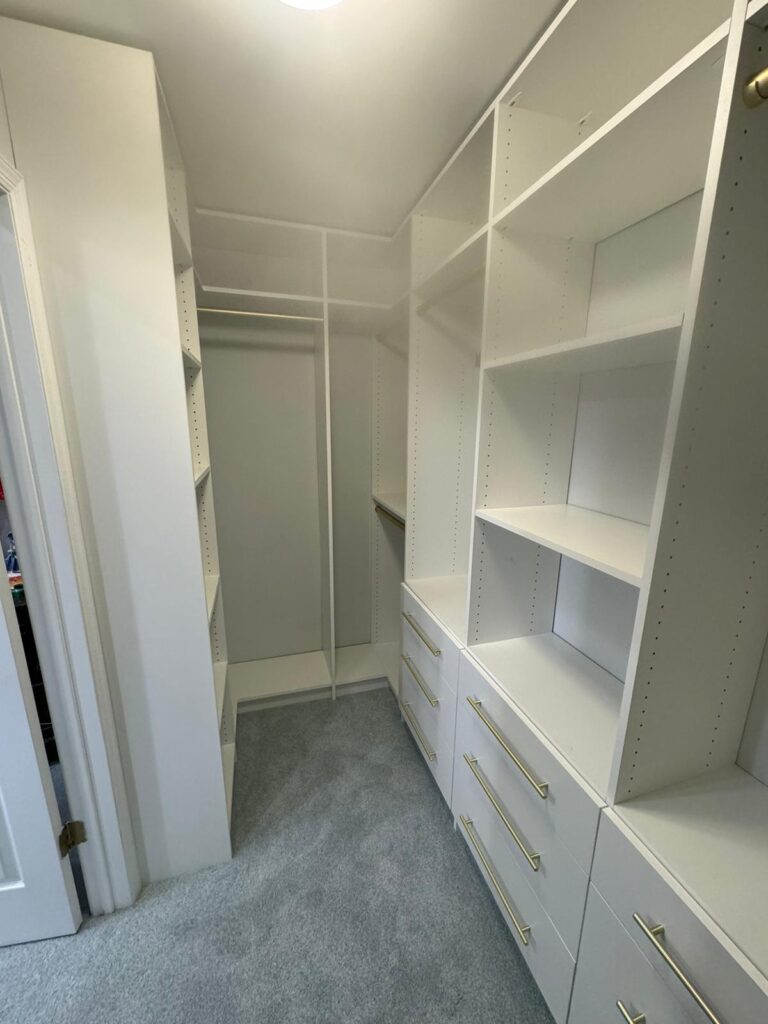
Professional installations incorporate ventilation planning from the design phase, ensuring proper air circulation in closets of all sizes and configurations.
DIY Ventilation Installation: Challenges and Limitations
Many New Jersey homeowners consider DIY closet ventilation installation to save money, but this approach often creates more problems than it solves.
Common DIY Ventilation Mistakes
Inadequate Planning and Assessment
DIY installations typically focus on visible symptoms rather than addressing root causes.
Homeowners often install basic exhaust fans without considering air replacement, creating negative pressure that can worsen moisture problems.
Electrical Code Violations
New Jersey electrical codes require specific wiring methods, GFCI protection, and permit approvals for new ventilation circuits.
DIY electrical work often fails inspection and creates safety hazards including fire risks and code violations that affect home insurance and resale value.
Improper Ductwork Installation
Flexible ducting improperly routed through wall cavities creates air flow restrictions, condensation problems, and energy loss.
Many DIY installations terminate ductwork in attics or crawl spaces instead of properly venting to building exterior, simply moving moisture problems to different areas.
Equipment Selection Challenges
Undersized or Oversized Fan Selection
Proper ventilation requires precise CFM (cubic feet per minute) calculations based on closet volume, clothing density, and local climate conditions.
Big box store fans rarely match specific closet ventilation requirements, resulting in inadequate air movement or excessive energy consumption.
Poor Quality Components
Consumer-grade ventilation equipment lacks the durability and performance characteristics needed for continuous operation in humid environments.
Plastic housing and low-grade motors fail prematurely, creating maintenance headaches and recurring replacement costs.
Long-Term Consequences of DIY Installation
Warranty Voidance
DIY modifications to custom closet systems often void manufacturer warranties, leaving homeowners responsible for expensive repairs.
Insurance and Liability Issues
Unpermitted electrical work can void homeowner’s insurance policies and create liability exposure during home sales.
Moisture damage from inadequate ventilation may not be covered by insurance if caused by improper DIY installation.
Professional Ventilation Installation Process
Comprehensive Assessment and Planning
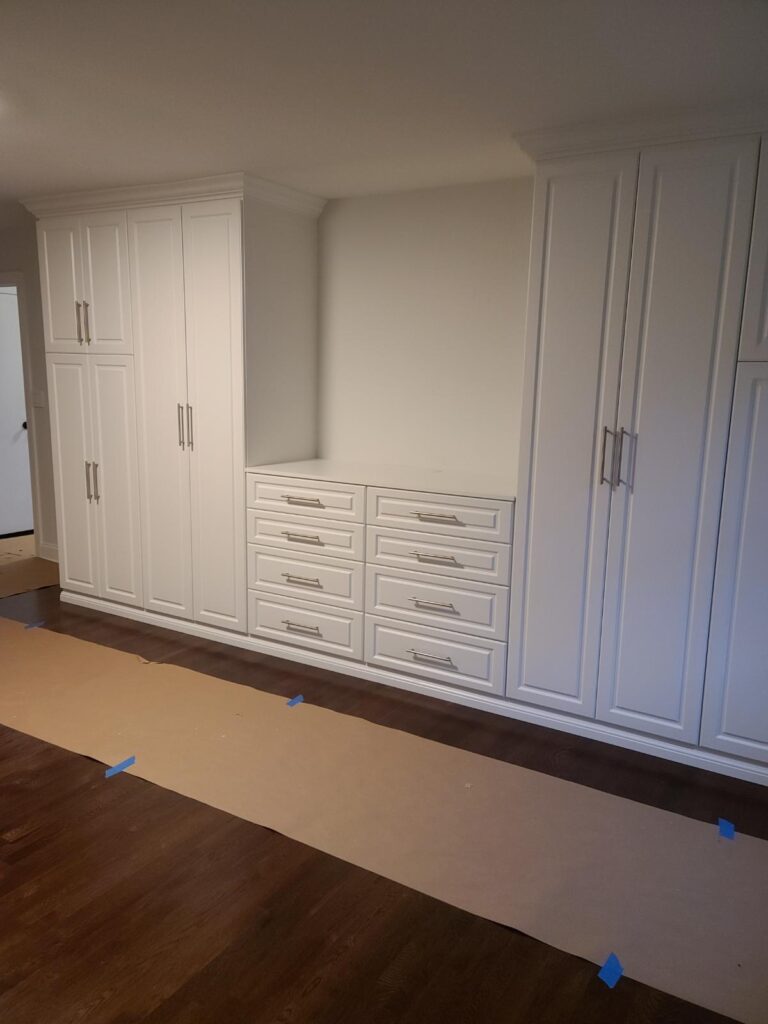
Professional installation begins with thorough assessment of existing conditions, including moisture measurements, air flow patterns, and structural considerations.
Our certified technicians evaluate closet size, clothing density, HVAC integration opportunities, and building envelope characteristics to design optimal ventilation solutions.
Advanced moisture meters and thermal imaging identify hidden problems that DIY approaches typically miss.
Engineering and Design Phase
CFM Calculations and System Sizing
Professional installations use engineering calculations to determine precise ventilation requirements based on New Jersey climate data and specific usage patterns.
Air changes per hour (ACH) calculations ensure adequate fresh air introduction without creating drafts or energy waste.
Integration with Existing HVAC Systems
Professional design considers whole-house air flow patterns, coordinating closet ventilation with central heating and cooling systems for optimal efficiency.
Smart controls and zoning integration prevent conflicts between ventilation systems and maintain consistent indoor climate control.
Corner and Compact Space Solutions
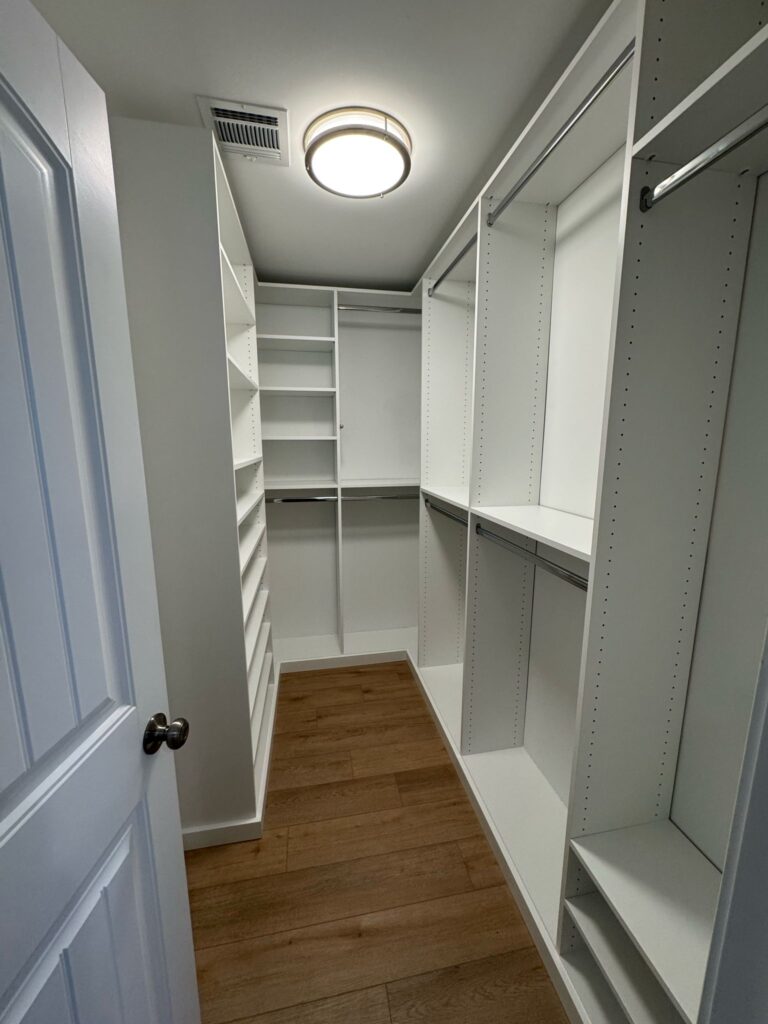
Professional installations excel at challenging spaces where DIY solutions typically fail.
Corner closets, sloped ceiling areas, and compact walk-ins require specialized ventilation approaches that maintain effectiveness while preserving storage capacity.
Strategic placement of intake and exhaust points creates effective air circulation patterns even in constrained spaces.
Installation and Testing Phase
Permit Acquisition and Code Compliance
Professional contractors handle all permit requirements, ensuring installations meet New Jersey building codes, electrical codes, and local ordinances.
Inspection scheduling and code compliance verification provide peace of mind and protect home value during future sales.
Quality Installation Techniques
Professional installation includes proper ductwork routing, secure mounting, vibration isolation, and weatherproof exterior terminations.
Advanced sealing techniques prevent air leaks, backdraft issues, and pest infiltration that commonly affect DIY installations.
Types of Closet Ventilation Systems
Understanding available ventilation system types helps New Jersey homeowners make informed decisions about closet air quality solutions.
Exhaust-Only Systems
• Simplest and most common approach
• Removes moist air directly from closet
• Requires makeup air considerations
• Best for smaller closets with adequate air replacement
Supply and Exhaust Systems
• Balanced air flow with controlled intake
• Prevents negative pressure issues
• Allows temperature and humidity control
• Ideal for larger walk-in closets
Heat Recovery Ventilators (HRV)
• Energy-efficient air exchange
• Recovers heating/cooling energy
• Maintains indoor air quality
• Premium solution for luxury closets
Passive Ventilation
• Natural air circulation through vents
• No mechanical components or electricity
• Relies on temperature differentials
• Supplementary solution for basic needs
System Integration with Custom Storage
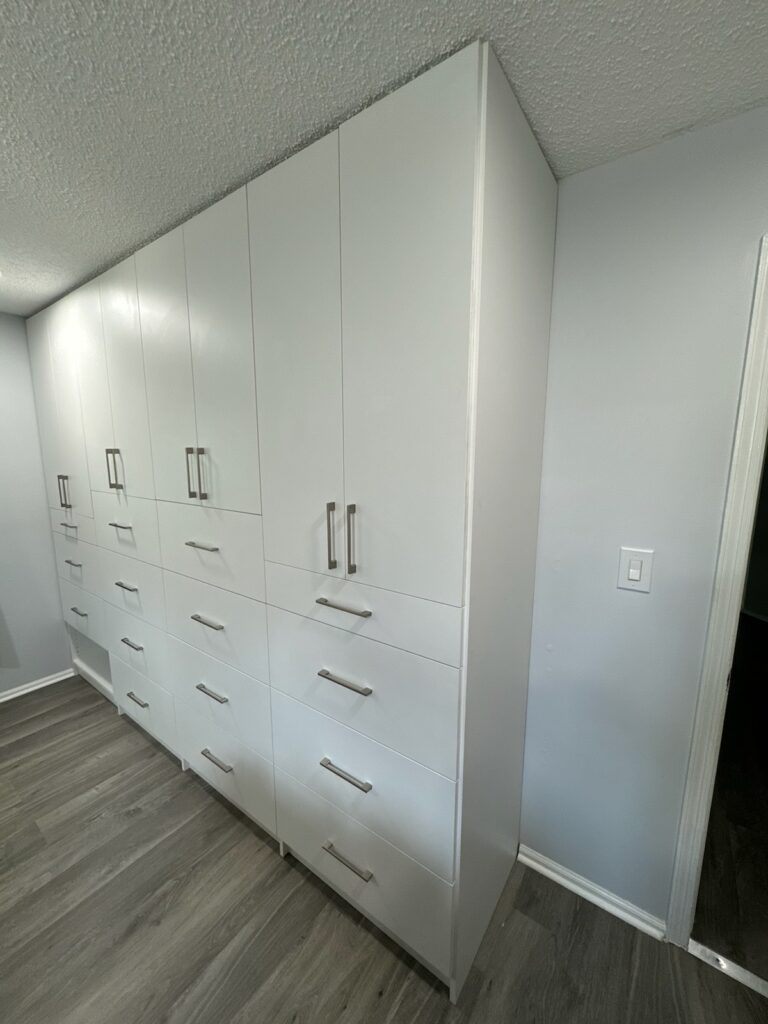
Professional ventilation systems integrate seamlessly with custom storage components, maintaining aesthetic appeal while ensuring optimal performance.
Strategic placement of ventilation grilles, intake vents, and controls preserves clean lines and maximizes storage efficiency.
Quality installation ensures mechanical systems complement rather than compromise premium storage solutions.
Building Codes and Safety Requirements in New Jersey
New Jersey enforces specific building codes governing closet ventilation installation, with requirements varying by municipality and project scope.
Electrical Code Requirements
Circuit Requirements and GFCI Protection
New Jersey electrical code requires dedicated circuits for ventilation equipment exceeding specific amperage thresholds.
GFCI protection is mandatory for ventilation equipment in areas with potential moisture exposure, including walk-in closets connected to master bathrooms.
Wiring Methods and Installation Standards
Electrical installations must follow NEC (National Electrical Code) standards for wiring methods, junction box accessibility, and wire gauge specifications.
Professional installation ensures compliance with inspection requirements and eliminates common violations that force expensive corrections.
Mechanical Code Compliance
Ductwork Standards and Installation
New Jersey mechanical codes specify ductwork materials, insulation requirements, and support methods for ventilation systems.
Improper ductwork installation creates code violations, energy loss, and performance problems that compromise system effectiveness.
Exterior Termination Requirements
Exhaust systems must terminate properly at building exterior with appropriate weather protection and backdraft prevention.
Termination locations must comply with minimum distance requirements from windows, doors, and air intake systems.
Large Space Ventilation Requirements
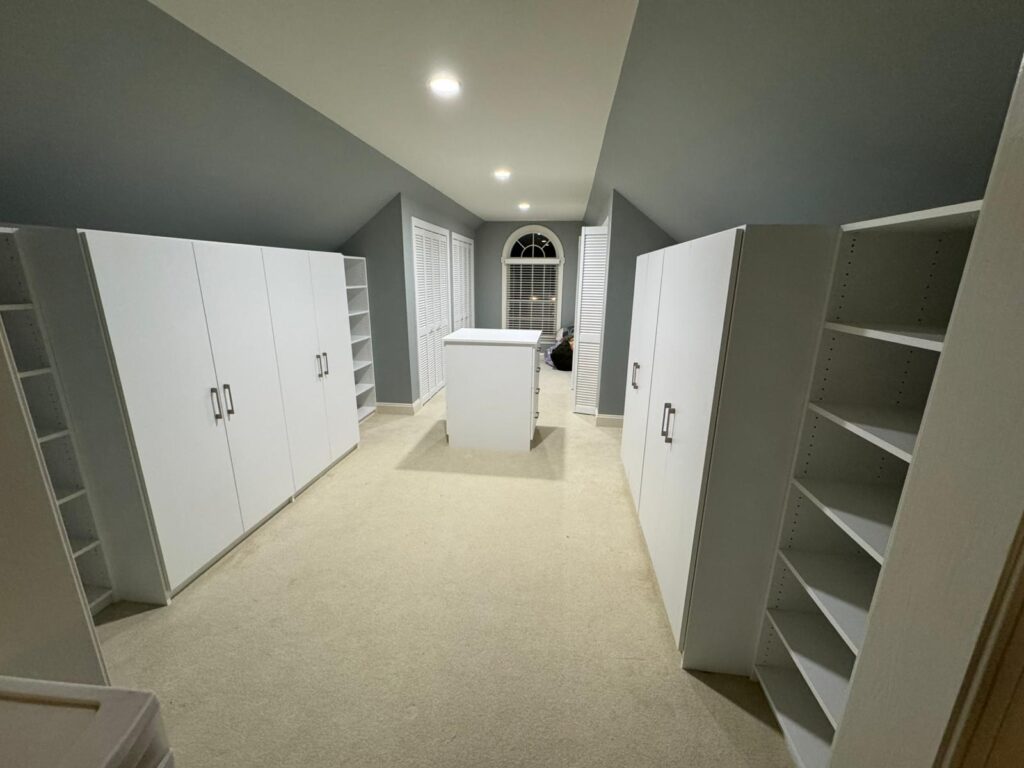
Extensive walk-in closets require enhanced ventilation planning to ensure adequate air circulation throughout the entire space.
Professional assessment determines optimal fan placement, ductwork routing, and control strategies for large installations.
Building codes may require multiple ventilation points or enhanced capacity systems for closets exceeding specific square footage thresholds.
When to Choose Professional Installation Over DIY
While some home improvement projects suit DIY approaches, closet ventilation installation typically requires professional expertise for optimal results and code compliance.
Project Complexity Indicators
When Professional Installation Is Essential:
- Electrical work requiring new circuits or panel modifications
- Ductwork routing through multiple wall cavities or floors
- Integration with existing HVAC systems
- Closets connected to bathrooms or laundry areas
- Municipal permit requirements and inspection needs
- Structural modifications for equipment mounting
- Complex multi-zone or automated control systems
Cost-Benefit Analysis
Professional installation provides long-term value through proper design, code compliance, warranty protection, and energy efficiency.
DIY mistakes often require expensive corrections, equipment replacement, and potential damage remediation that far exceeds initial professional installation costs.
Quality and Reliability Considerations
Equipment Selection and Specification
Professional contractors have access to commercial-grade equipment and industry expertise for selecting optimal systems for specific applications.
Manufacturer relationships provide better pricing, extended warranties, and technical support unavailable to consumer purchases.
Installation Quality and Testing
Professional installation includes comprehensive testing, commissioning, and performance verification to ensure systems meet design specifications.
Proper documentation and warranty coverage provide long-term protection and maintenance support for optimal system performance.
Ready to Ensure Proper Closet Ventilation?
Protecting your investment in custom closets requires professional ventilation planning and installation that addresses New Jersey’s unique climate challenges.
Don’t risk moisture damage, code violations, or system failures with DIY approaches that may cost more in the long run than professional installation.
Coastal Closets combines custom storage expertise with professional ventilation solutions, ensuring your closets maintain optimal conditions while preserving aesthetic appeal and functionality.
Our vetted contractors handle every aspect of ventilation installation, from initial assessment through final testing and code compliance verification.
Request Your Free Closet Ventilation Consultation
Get professional assessment of your closet ventilation needs from New Jersey’s premier custom storage experts.