
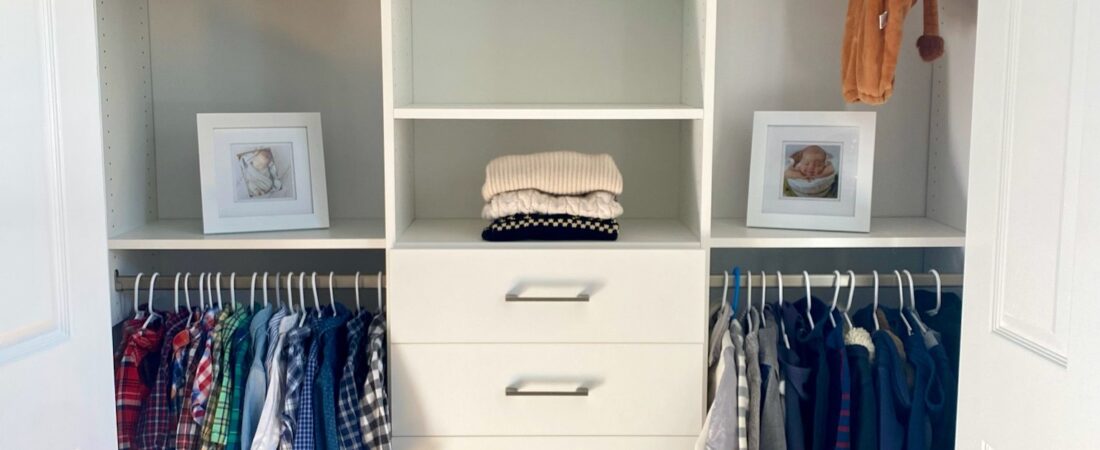
Blending families brings incredible joy, but it also creates unique challenges when it comes to organizing shared living spaces.
Step-siblings suddenly sharing closets, different organizational habits clashing, and the constant struggle to maintain fairness in space allocation can turn what should be a sanctuary into a source of daily tension.
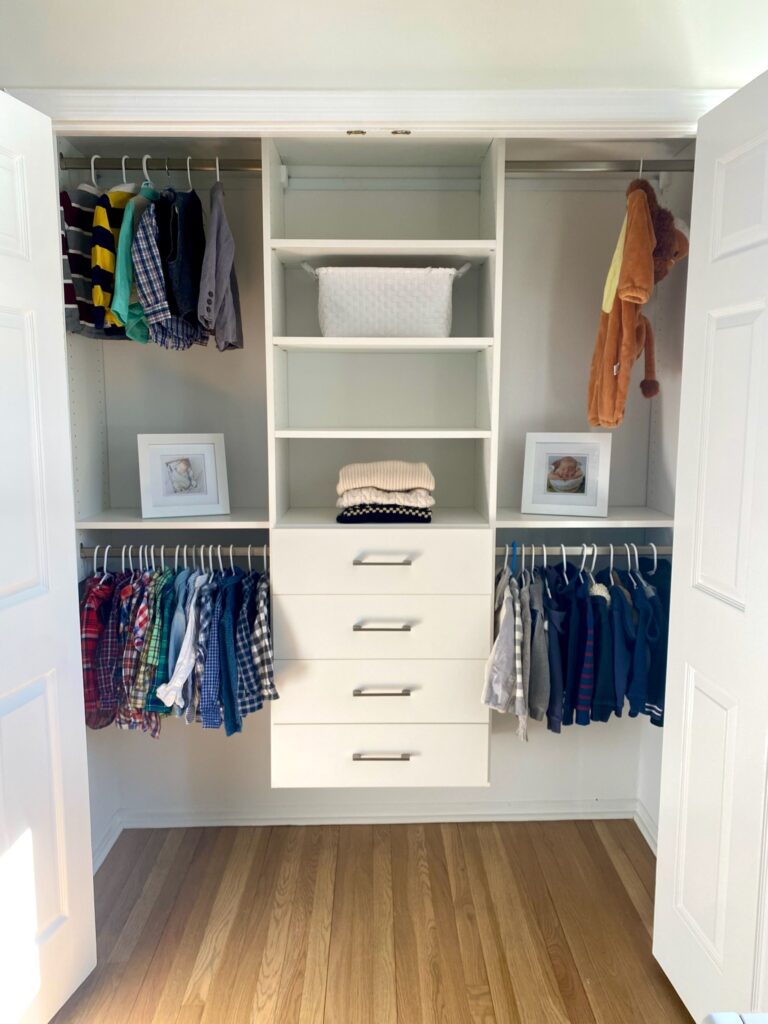
Successful blended families in New Jersey are discovering that custom closet solutions can eliminate storage conflicts and create harmonious shared spaces.
At Coastal Closets, we specialize in designing storage systems that accommodate multiple children’s needs while maintaining individual identity and reducing daily friction.
✓ Custom Solutions for Multiple Children
✓ Fair Space Allocation Systems
✓ Reduces Daily Conflicts
✓ Grows with Your Family
The Unique Challenges of Blended Family Closet Sharing
Blended families face storage challenges that traditional families rarely encounter.
When children from different households suddenly share living spaces, their belongings, habits, and personal boundaries must coexist in ways that weren’t previously necessary.
Common Blended Family Storage Conflicts:
- Unequal Possessions: One child may have significantly more clothes or belongings than their step-sibling
- Different Organization Styles: Children raised in different households often have completely different approaches to maintaining their spaces
- Territory Issues: Step-siblings may feel the need to clearly define “their” space within shared areas
- Age and Size Differences: Combining different aged children often means vastly different storage needs and accessibility requirements
- Temporary vs. Permanent Belongings: Items that travel between households require special consideration
These challenges require thoughtful solutions that go beyond basic organization—they need systems that promote fairness, respect individual needs, and reduce potential conflicts.
Boys’ Closet Organization for Step-Siblings
Boys often have specific storage needs that differ significantly from their sisters, and when step-brothers share space, these requirements become even more complex.
Sports equipment, varying clothing sizes, and different activity levels all impact how shared closet space should be organized.
Essential Elements for Shared Boys’ Closets:
Dual-Zone Organization: Create clearly defined sections for each child with equal space allocation, regardless of current belongings.
Sports Equipment Storage: Dedicated areas for different sports gear that can accommodate seasonal changes and growth spurts.
Flexible Shelving: Adjustable systems that can adapt as children grow and their needs change.
Individual Identity Spaces: Personal areas where each child can display their treasures or collections without interference.
The key to successful boys’ shared closet organization lies in creating systems that feel fair and functional for both children.
Custom solutions allow for equal space division while accommodating each child’s specific needs and interests.
Girls’ Space Management and Personal Expression
Girls often place high value on personal expression through their clothing and accessories, making shared closet solutions particularly important for maintaining individual identity.
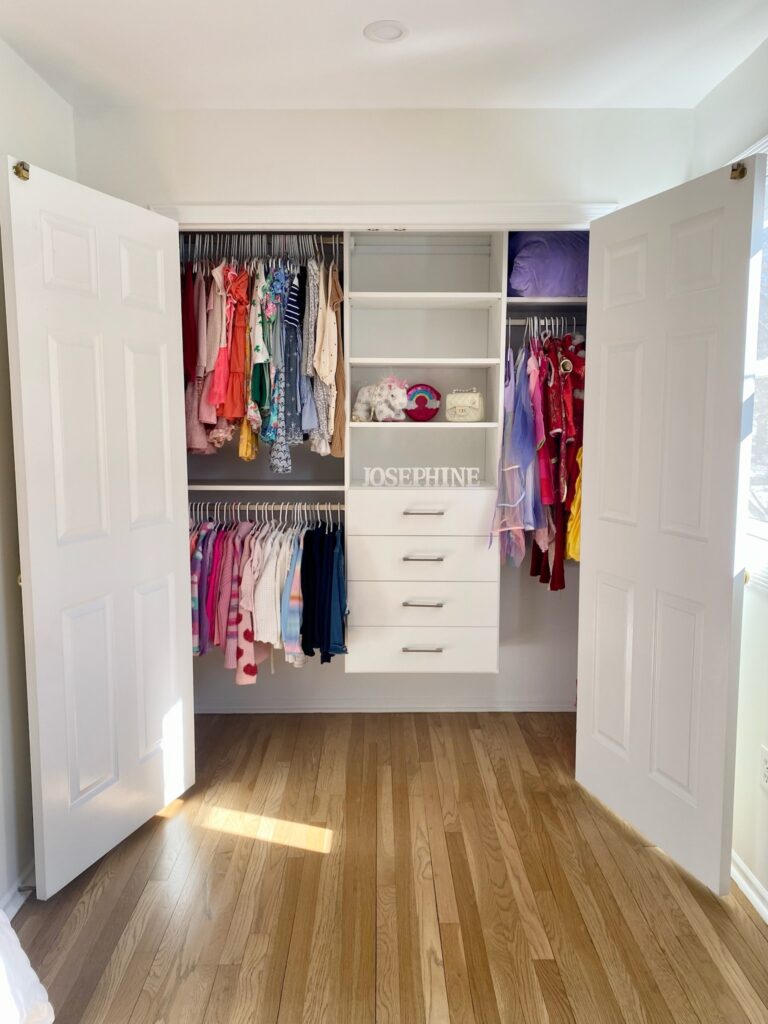
Creating Harmony in Shared Girls’ Spaces:
Dress and Special Occasion Storage: Dedicated hanging space that prevents special dresses from getting wrinkled or damaged by daily wear items.
Accessory Organization: Individual compartments for jewelry, hair accessories, and personal treasures that prevent mixing and potential conflicts.
Color-Coded Systems: Using different colors or themes to help each child quickly identify their designated areas.
Privacy Elements: Incorporating areas where personal items can be stored away from curious step-siblings.
Girls’ shared closets require careful attention to both functional organization and emotional needs.
When step-sisters feel their personal style and treasures are respected and protected, sharing space becomes much more harmonious.
Family Closet Organization Examples
Successful blended family storage solutions come in many forms, each tailored to the specific needs of the children and the available space.
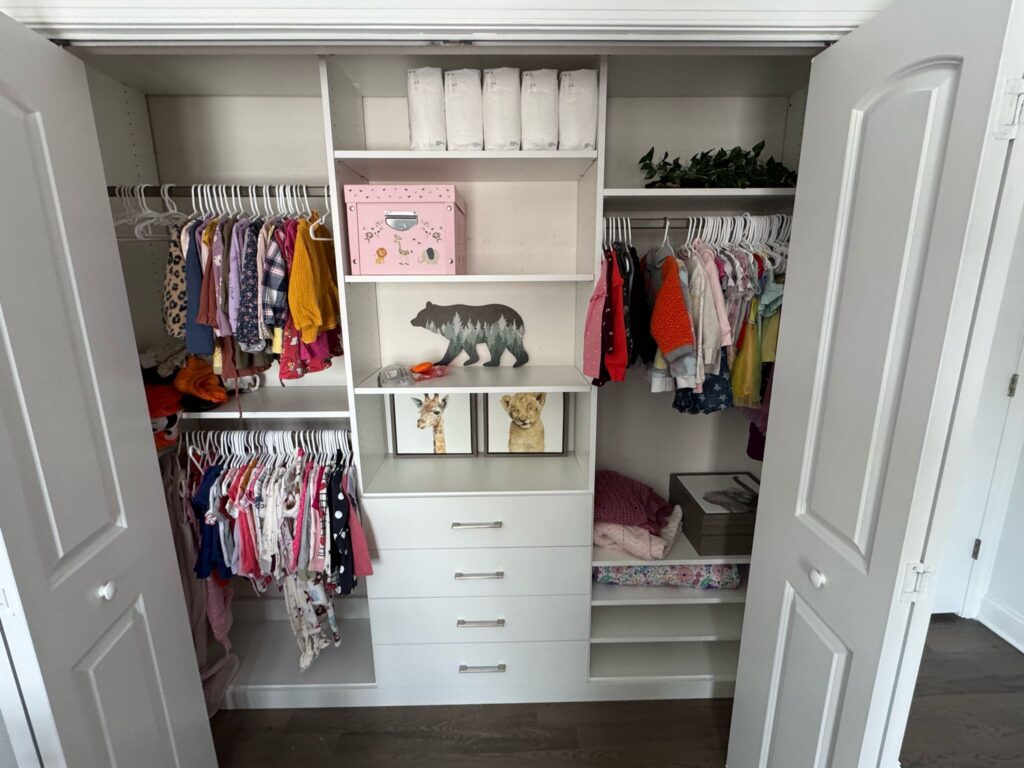
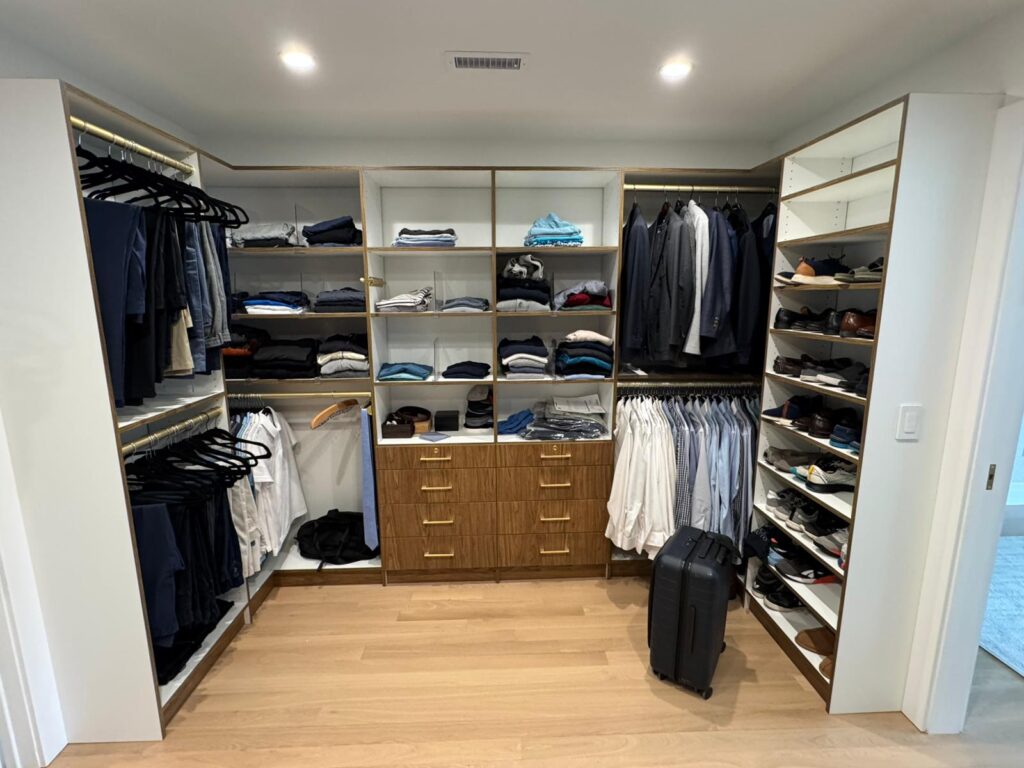
These examples showcase different approaches to family storage that prioritize both functionality and harmony.
Mixed Age Solutions
• Adjustable heights for different ages
• Growth-accommodating systems
• Safe accessibility for younger children
Personal Zones
• Equal space allocation
• Individual color schemes
• Private storage compartments
Flexible Systems
• Modular components
• Seasonal adaptability
• Easy reconfiguration
Master Closet Coordination for Parents
While children’s storage needs are important, blended family parents also face unique challenges in coordinating their own closet spaces.
Different work schedules, varying wardrobe needs, and the desire to maintain some personal space all impact how adult closets should be organized.
Adult Closet Coordination Strategies:
Professional Wardrobe Integration: Combining different career requirements and dress codes in one cohesive system.
Schedule-Based Organization: Arranging clothing and accessories based on daily routines and work schedules to prevent morning conflicts.
Personal vs. Shared Items: Creating clear distinctions between individual belongings and items that can be shared.
Efficiency Systems: Streamlined organization that supports busy blended family lifestyles and reduces daily stress.
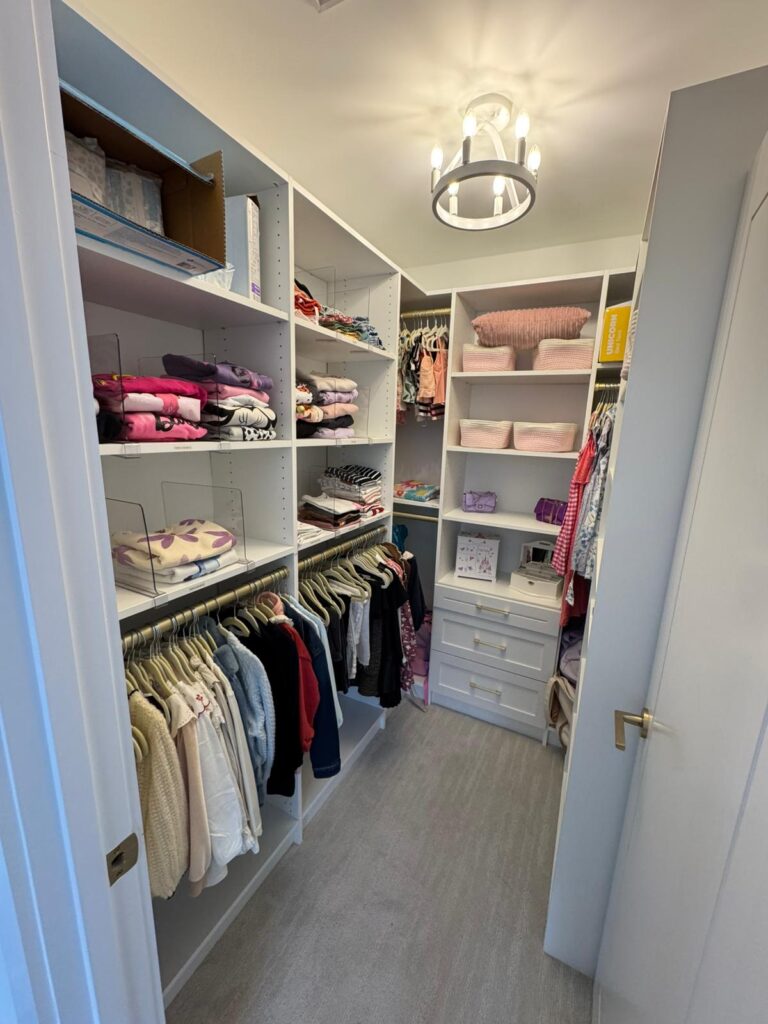
Parents in blended families often find that well-organized closets become a peaceful retreat from the increased complexity of their daily lives.
When adult storage works efficiently, it creates more time and energy for managing the family’s overall needs.
Professional Solutions for Growing Families
Coastal Closets understands that blended families need storage solutions that go beyond basic organization.
Our New Jersey-based team specializes in creating custom systems that address the unique dynamics of step-families while providing room for growth and change.
Our Blended Family Approach:
Family Consultation Process: We meet with all family members to understand individual needs and preferences before designing solutions.
Fairness-First Design: Every solution prioritizes equal treatment and space allocation to prevent ongoing conflicts.
Growth-Ready Systems: Custom designs that easily adapt as children grow, interests change, and family dynamics evolve.
Quality Materials: Durable, premium materials that withstand the increased use that comes with larger, more complex families.
Our vetted, in-house contractors understand the sensitivity required when working in blended family homes.
We work efficiently and respectfully to minimize disruption while creating storage solutions that bring harmony to your shared spaces.
The Coastal Closets Difference for Blended Families:
- Psychology-Informed Design: We understand that storage solutions must address emotional needs as well as practical ones
- Flexible Installation: Working around busy blended family schedules and multiple children’s routines
- Long-Term Support: Adjustments and modifications as your family’s needs continue to evolve
- New Jersey Expertise: Local understanding of family lifestyles and home configurations throughout the state
From Chaos to Harmony
Blended families across New Jersey are discovering that professional closet organization isn’t a luxury—it’s an investment in family peace.
When every family member has their own well-organized space that meets their individual needs while respecting shared areas, daily conflicts decrease significantly.
Our custom solutions create the foundation for smoother morning routines, reduced sibling rivalry, and more harmonious family life.
Ready to Transform Your Family’s Storage?
Don’t let storage conflicts continue to create tension in your blended family.
Our expert team understands the unique challenges of blended families and specializes in creating custom solutions that promote harmony and respect individual needs.
Schedule your free consultation today and discover how professional closet organization can transform your family’s daily experience.