
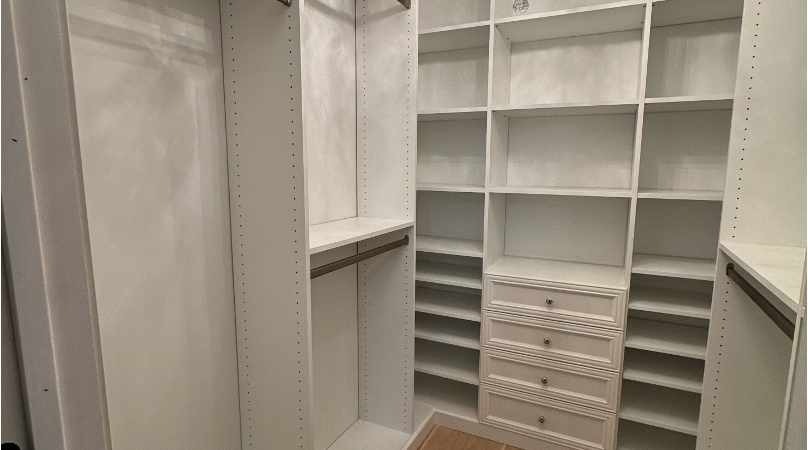
Proper closet ventilation prevents moisture damage, eliminates musty odors, and protects your valuable clothing investments from mold and mildew damage.
For New Jersey homeowners considering how to install a closet ventilation system, understanding the complexities of electrical work, building codes, and moisture control is essential for both safety and effectiveness.
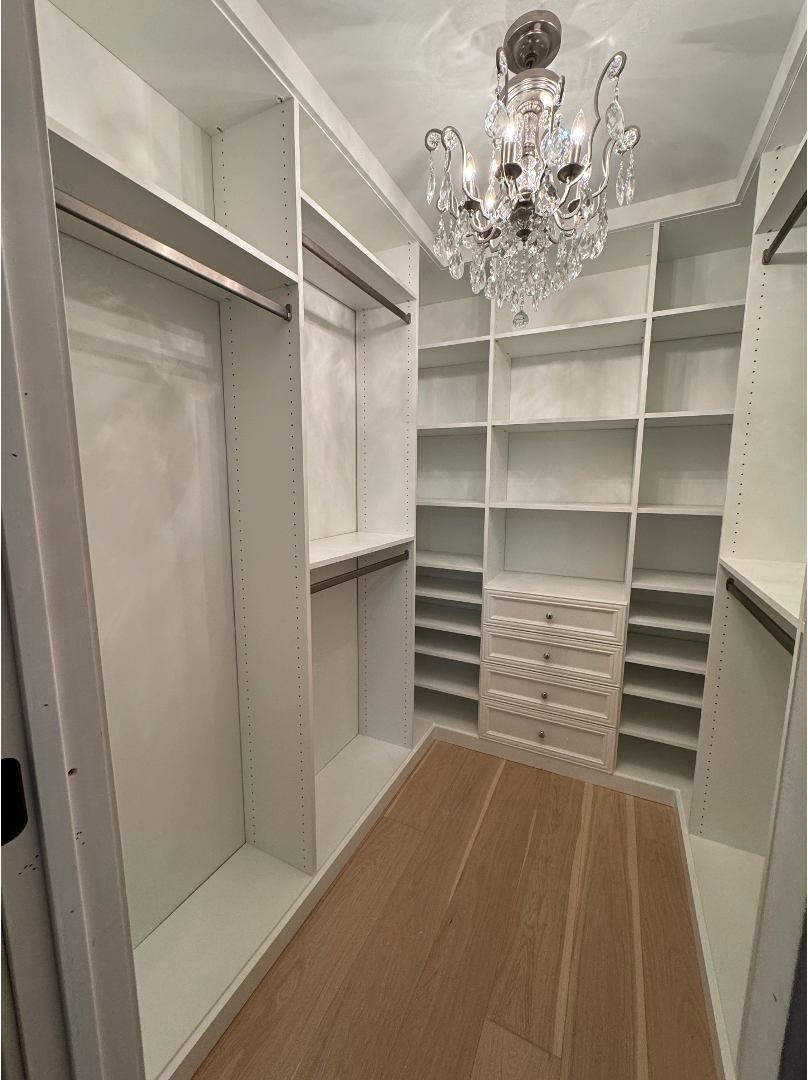
Professional ventilation planning ensures your custom closet investment remains protected for decades.
At Coastal Closets, we integrate proper ventilation planning into every custom closet design, ensuring optimal air circulation that protects both your clothing and storage systems.
✓ Proper electrical integration planning
✓ New Jersey building code compliance
✓ Vetted contractor installation
✓ Moisture control expertise
Why Closet Ventilation Matters in New Jersey Climate
New Jersey’s humid summers and temperature fluctuations create ideal conditions for moisture problems in enclosed closet spaces.
Without proper ventilation, humidity levels can reach 70-80% inside closets, leading to mold growth, musty odors, and damage to clothing, shoes, and storage materials.
Professional ventilation systems maintain optimal humidity levels between 30-50%, protecting your wardrobe investment while ensuring comfortable access to your belongings.
The state’s building codes also require adequate ventilation in enclosed storage spaces, particularly in newer construction and major renovations.
Planning Your Ventilation System Installation
Professional assessment determines optimal ventilation placement and capacity requirements.
Proper planning considers closet size, location, existing HVAC connections, electrical access, and your specific storage needs to design an effective ventilation solution.
Key planning considerations include calculating air exchange rates, determining optimal fan placement, assessing electrical requirements, and ensuring building code compliance.
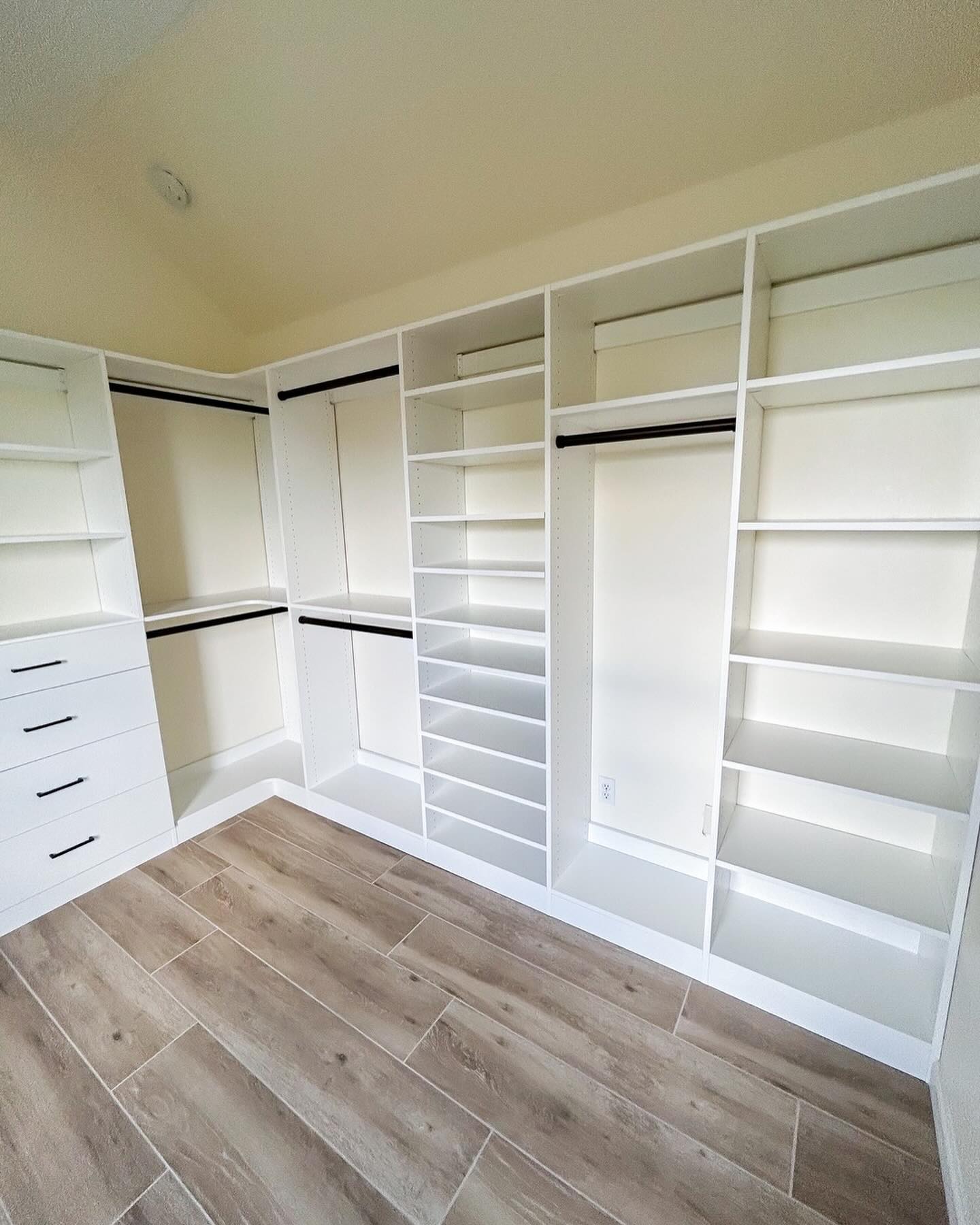
Essential planning steps include measuring your closet space accurately, identifying electrical access points, checking local building permit requirements, and determining whether you need exhaust ventilation, supply ventilation, or balanced air circulation.
You’ll also need to consider noise levels, energy efficiency, maintenance access, and integration with existing HVAC systems.
DIY Installation Process and Challenges
Important Safety Notice: Closet ventilation installation involves electrical work that requires permits and professional expertise in most New Jersey municipalities.
DIY approaches often encounter significant challenges including complex electrical connections, proper ductwork sizing, building code compliance issues, and integration problems with existing systems.
Common DIY installation steps typically involve cutting ceiling or wall openings, running electrical wiring, installing exhaust fans, connecting ductwork to exterior vents, and ensuring proper moisture barriers.
However, improper installation can create serious problems including electrical hazards, inadequate ventilation, moisture infiltration, structural damage, and code violations that affect home insurance and resale value.
Many homeowners discover that DIY ventilation projects require expensive corrections when building inspectors identify safety violations or when moisture problems persist despite installation efforts.
Safety and Code Compliance Considerations
New Jersey building codes require specific ventilation rates, proper electrical installation, and moisture control measures in closet spaces, particularly in basements and areas prone to humidity.
Electrical work must comply with NEC standards, require proper permits, and pass inspection to ensure safety and code compliance.
Improper installation can create fire hazards, electrical shock risks, inadequate ventilation leading to mold problems, and insurance coverage issues if claims arise from faulty DIY work.
Professional installation ensures compliance with local building codes, proper electrical connections, adequate ventilation capacity, and integration with existing home systems.
Professional Ventilation Solutions vs DIY Approach
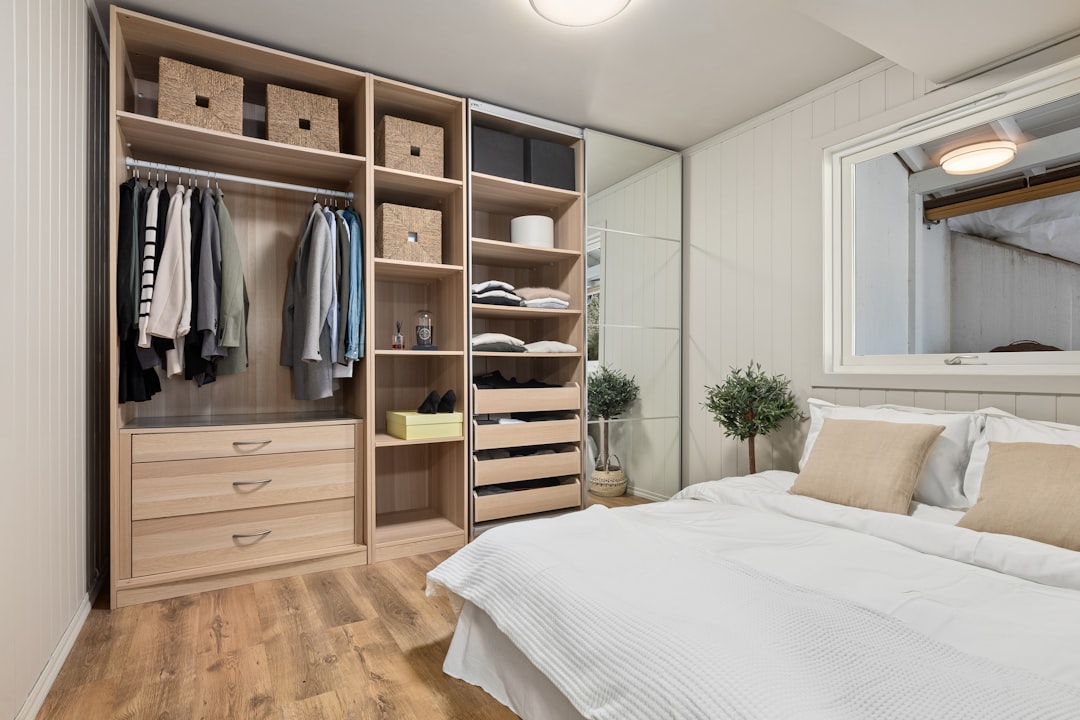
Professional installation eliminates safety risks while ensuring optimal performance and code compliance.
Our vetted contractors bring specialized expertise in closet ventilation, understanding the unique requirements of different closet types and sizes.
Professional solutions include proper load calculations, code-compliant electrical installation, integrated moisture control, and warranty protection for both materials and installation.
While DIY installation might seem cost-effective initially, professional installation provides long-term value through proper system design, code compliance, and reliable performance.
Professional contractors handle permit applications, inspection scheduling, and ensure integration with your existing HVAC systems without compromising efficiency or creating conflicts.
Most importantly, professional installation includes warranty coverage and ongoing support if adjustments or maintenance are needed.
Examples of Properly Ventilated Custom Closet Systems
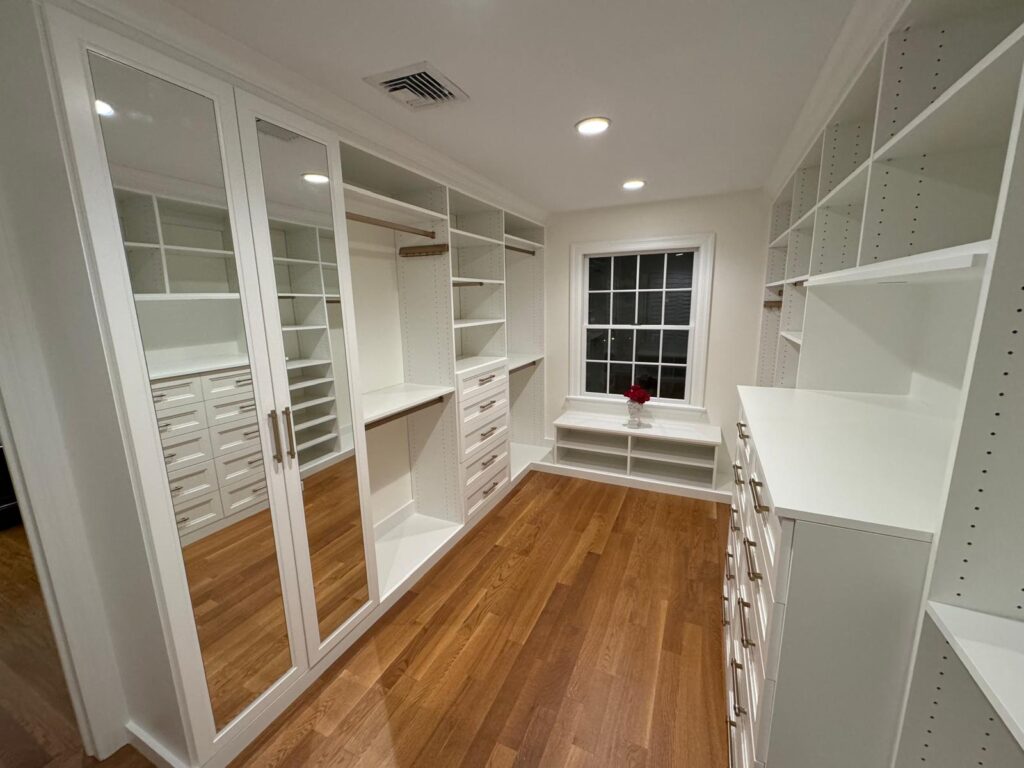
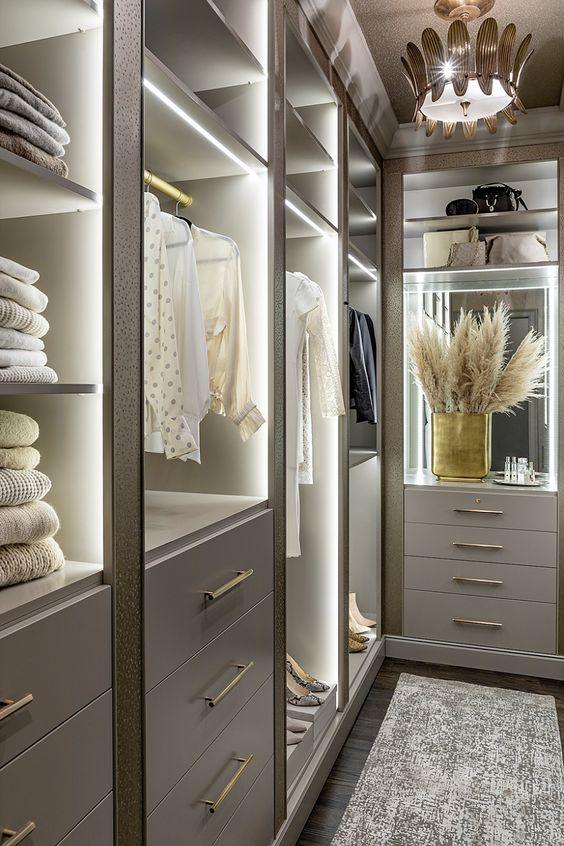
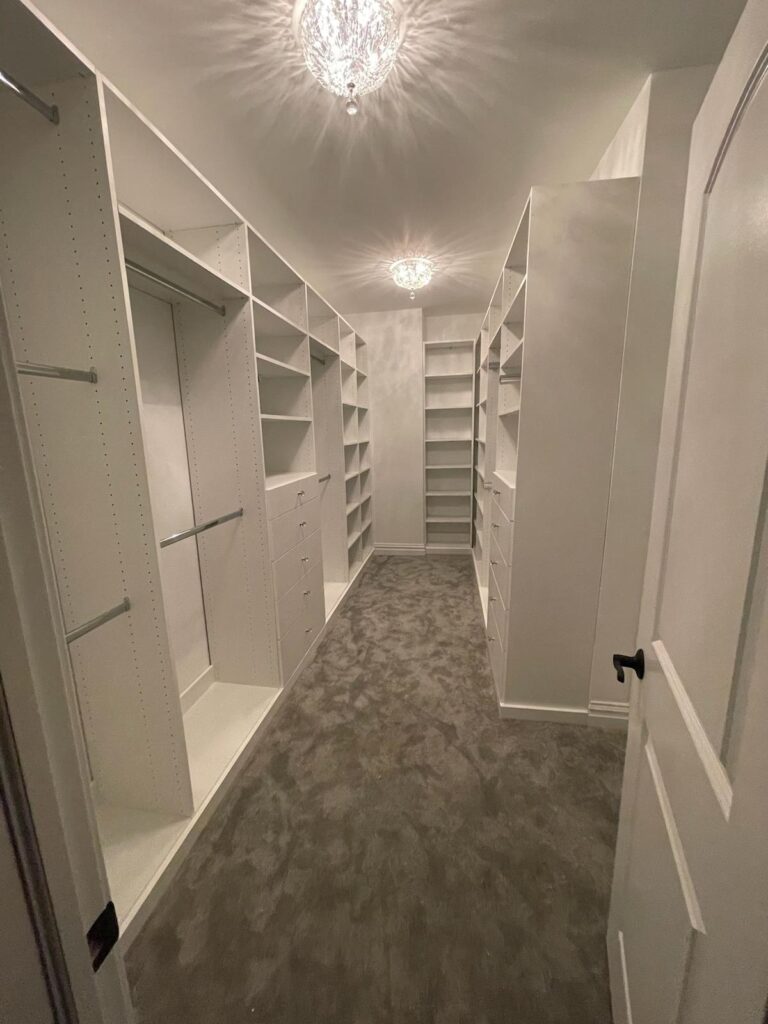
These luxury closet installations demonstrate how proper ventilation planning integrates seamlessly with custom storage systems and sophisticated lighting.
Natural ventilation through windows, mechanical exhaust systems, and balanced air circulation all contribute to maintaining optimal conditions for clothing storage while supporting elegant design elements.
Professional installation ensures ventilation systems operate quietly and efficiently without disrupting the sophisticated atmosphere of luxury closet spaces.
Quality Materials and Expert Installation Benefits
Premium ventilation components ensure reliable, long-term performance in demanding closet environments.
Our contractors use commercial-grade exhaust fans, moisture-resistant ductwork, and energy-efficient motors designed specifically for closet applications.
Quality installation includes proper sealing, vibration control, and integration with your closet’s organizational systems without compromising functionality or aesthetics.
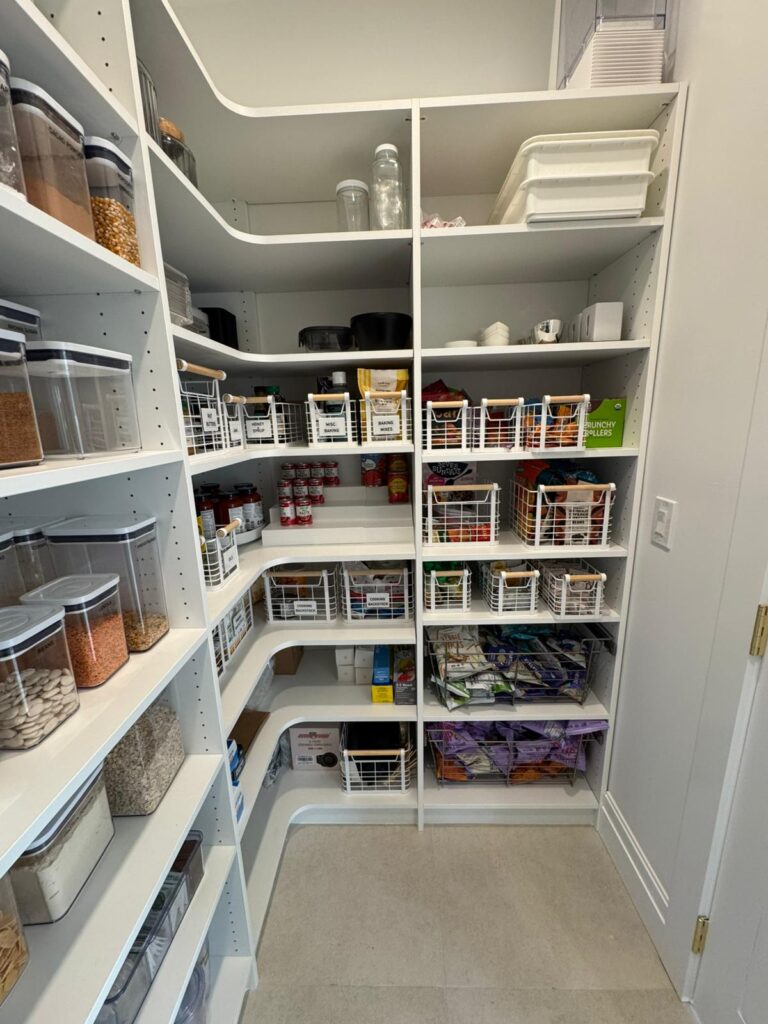
Professional installation provides immediate benefits including proper system sizing, code-compliant electrical work, optimal placement for maximum efficiency, and integration with existing HVAC systems.
Long-term advantages include reduced maintenance requirements, energy-efficient operation, warranty protection, and professional support for any adjustments or repairs.
Most importantly, professional installation eliminates the safety risks and potential code violations that can arise from DIY electrical work in humid closet environments.
Understanding Ventilation System Components
Effective closet ventilation systems typically include exhaust fans, intake vents, ductwork, electrical controls, and moisture sensors depending on your specific needs and closet configuration.
Exhaust fans remove humid air from the closet space, while intake vents provide fresh air circulation to maintain proper air exchange rates.
Advanced systems may include humidity sensors that automatically activate ventilation when moisture levels exceed optimal ranges, ensuring consistent protection without manual operation.
Timer controls, variable speed fans, and sound dampening features provide customizable operation that meets your specific needs and preferences.
Integration with Custom Closet Design
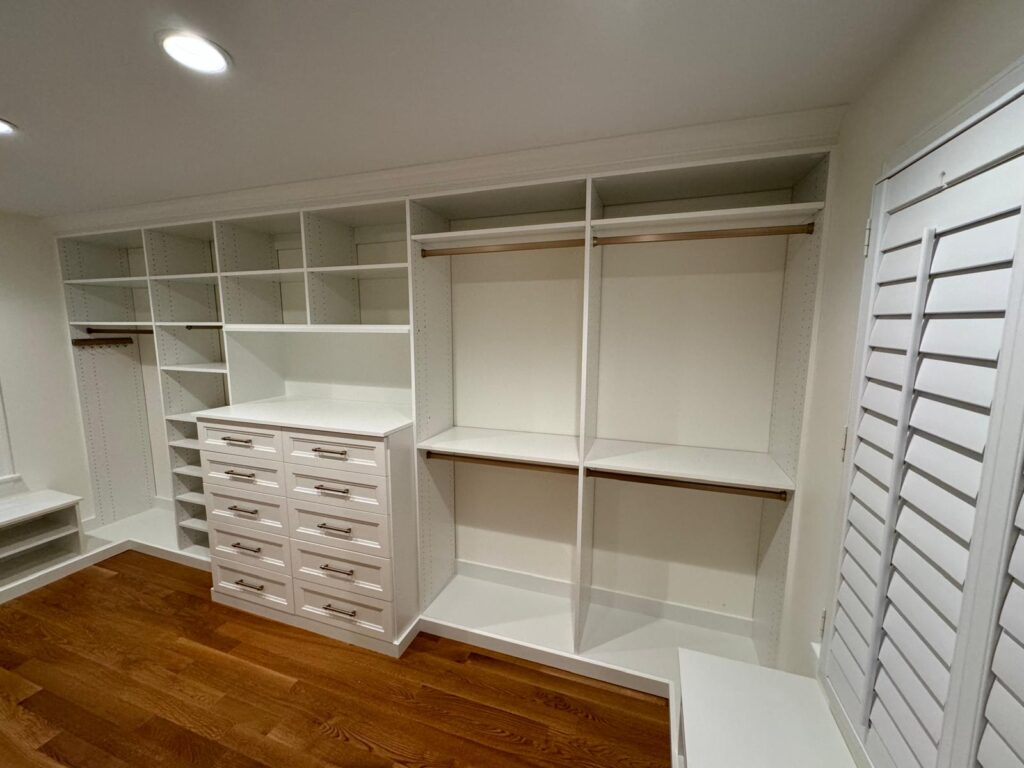
Proper planning ensures ventilation systems complement your custom storage design rather than compromising functionality.
Our design process considers ventilation requirements from the beginning, ensuring optimal placement that maximizes both air circulation and storage capacity.
Professional installation maintains clean sight lines, integrates with lighting systems, and preserves the sophisticated appearance of custom closet spaces.
Early ventilation planning prevents costly modifications after closet installation and ensures optimal system performance throughout the life of your storage system.
Coordinated installation allows for concealed wiring, strategic vent placement, and integration with closet lighting controls for seamless operation.
This integrated approach maintains the clean, sophisticated aesthetic of custom closets while providing superior functionality and protection.
Maintenance and Long-Term Performance
Professional ventilation systems require minimal maintenance when properly installed, typically involving annual filter cleaning and periodic inspection of electrical connections.
Quality components and proper installation significantly extend system life, often providing 15-20 years of reliable operation with basic maintenance.
Regular maintenance includes cleaning exhaust fan blades, checking ductwork for blockages, verifying electrical connections, and testing humidity sensors if installed.
Professional installation includes guidance on proper maintenance schedules and provides ongoing support for any performance issues or adjustments.
Energy Efficiency and Operating Costs
Modern closet ventilation systems use energy-efficient motors and smart controls to minimize operating costs while maintaining optimal performance.
Variable speed fans and humidity sensors reduce energy consumption by operating only when needed, often resulting in operating costs of less than $20 annually for typical closet applications.
Professional sizing ensures systems operate efficiently without overworking, extending equipment life while minimizing energy consumption.
Proper installation also prevents air leaks and improves overall home energy efficiency by maintaining controlled air exchange rates.
Common Installation Mistakes to Avoid
Undersized fans create inadequate air circulation, while oversized systems waste energy and create excessive noise in closet environments.
Improper electrical connections pose fire and safety hazards, particularly in humid closet environments where moisture can compromise wiring integrity.
Poor ductwork installation including inadequate sealing, improper slopes, and insufficient insulation can create condensation problems and reduce system effectiveness.
Failure to obtain proper permits and inspections can create liability issues and affect home insurance coverage in case of damage or accidents.
These mistakes underscore why professional installation provides both immediate safety and long-term value for closet ventilation projects.
Ready to Transform Your Closet with Proper Ventilation?
Professional closet ventilation installation protects your wardrobe investment while ensuring safe, code-compliant operation for decades of reliable performance.
At Coastal Closets, we combine ventilation expertise with custom storage design to create closet spaces that maintain optimal conditions while maximizing functionality and aesthetic appeal.
Our proven 7-step process begins with comprehensive assessment of your space, ventilation requirements, and storage goals to design integrated solutions that exceed expectations.
Don’t risk safety hazards or costly mistakes with DIY ventilation installation.
Contact Coastal Closets today for a free consultation and discover how professional ventilation planning can enhance your custom closet investment.