Planning a closet renovation but overwhelmed by the measuring process? You’re not alone. Accurate measurements form the foundation of every successful closet project, yet many New Jersey homeowners struggle with this crucial first step, leading to costly mistakes and disappointing results.
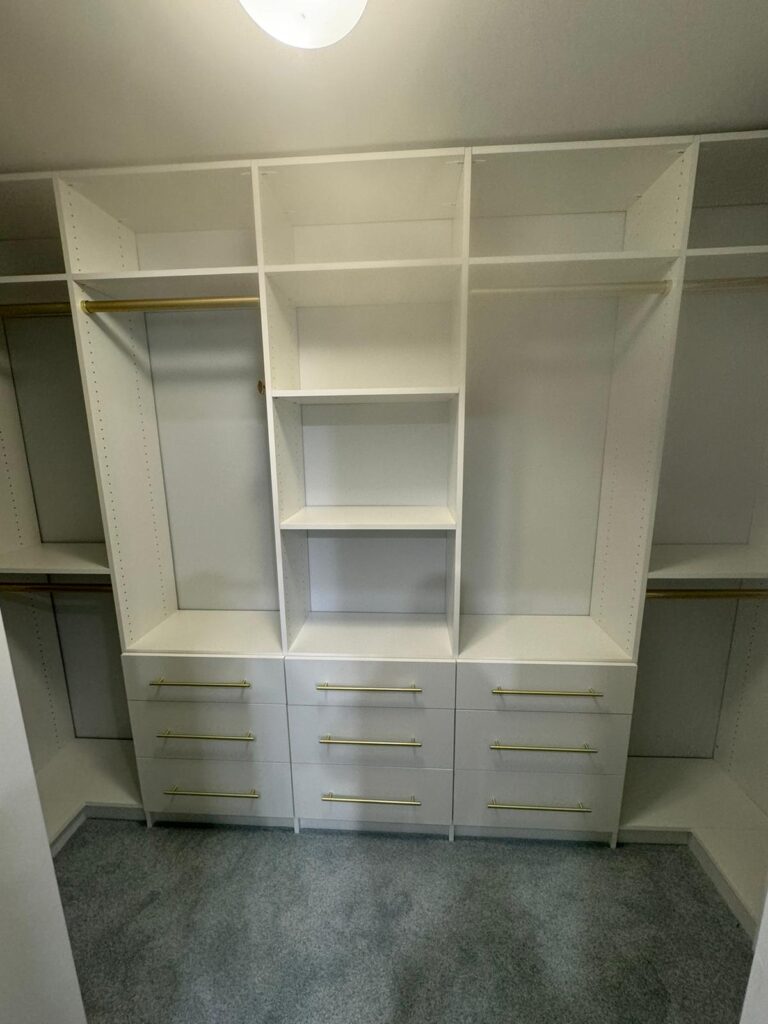
Before any renovation can begin, you need precise measurements of your space.
At Coastal Closets, we’ve seen countless New Jersey renovation projects succeed or fail based on the accuracy of initial measurements.
✓ Vetted In-House Contractors
✓ Precision Measurement Guarantee
✓ Custom Design Solutions
✓ 7-Step Professional Process
Why Accurate Measurements Are Critical for Renovation Success
Understanding how to measure closet renovation space correctly prevents expensive mistakes that plague DIY renovations.
Poor measurements lead to ill-fitting components, wasted materials, and renovation delays.
Professional-grade measurements ensure your new closet system maximizes every inch of available space while maintaining functionality and aesthetics.
New Jersey building codes also require specific clearances and accessibility standards that accurate measurements help you meet from the start.
Essential Tools and Preparation for Closet Measuring
Professional measuring requires the right tools and systematic approach.
Required Tools:
• 25-foot steel measuring tape
• Level (2-foot minimum)
• Pencil and notepad
• Stud finder
• Flashlight or headlamp
Preparation Steps:
• Remove all items from closet
• Clean surfaces thoroughly
• Check electrical outlets and switches
• Note any existing damage or irregularities
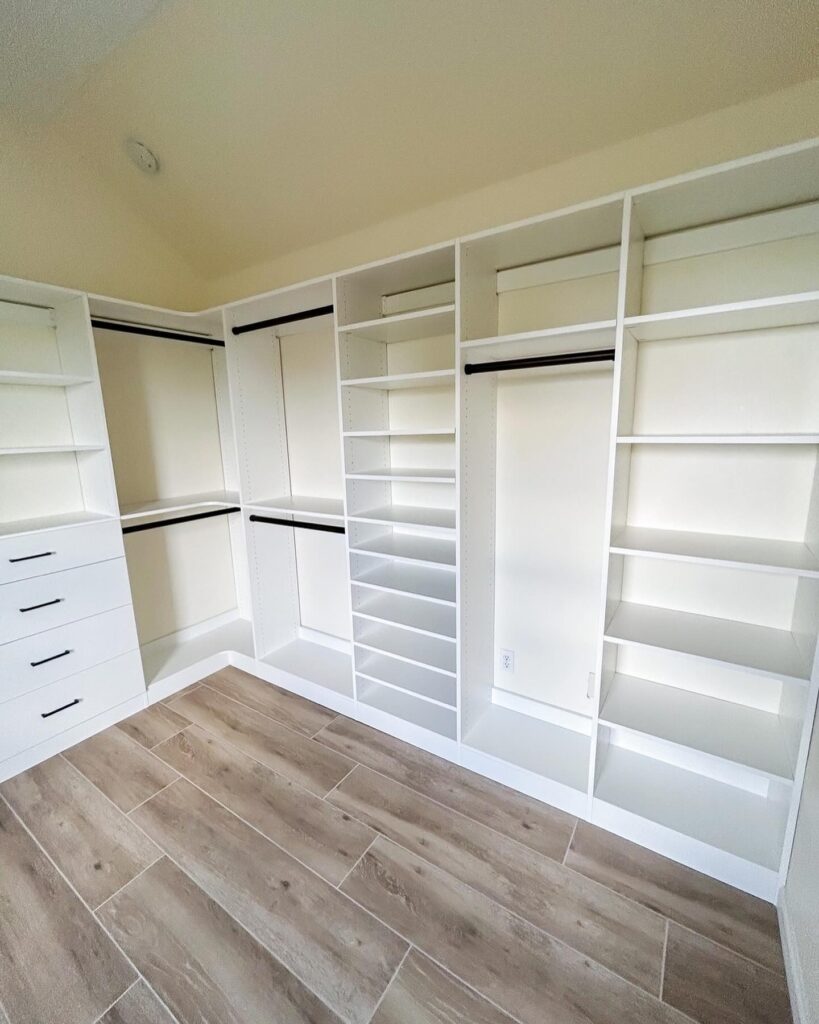
Step-by-Step Measuring Process for Any Closet Type
Step 1: Measuring Height, Width, and Depth
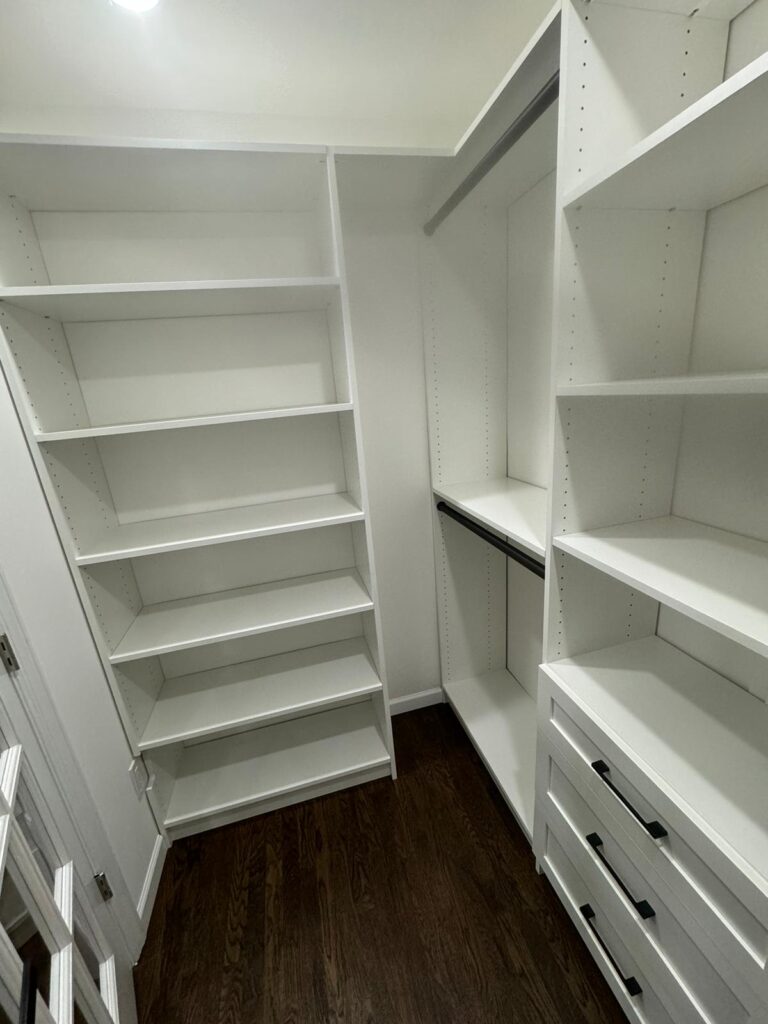
Start with basic dimensions, measuring in inches for precision.
Width Measurements:
• Measure at floor level
• Measure at chest height (48 inches)
• Measure near ceiling
• Record the smallest measurement
Height Measurements:
• Measure from floor to ceiling
• Check multiple points for level variations
• Account for baseboards and crown molding
Depth Measurements:
• Measure from back wall to front opening
• Check at multiple heights
• Note any protrusions or irregularities
Step 2: Identifying Structural Elements and Obstacles
Document every element that affects your closet renovation space planning.
Structural Elements to Measure:
• Wall studs (locate and mark positions)
• Electrical outlets and switch locations
• Light fixtures and ceiling fans
• HVAC vents and returns
• Plumbing (if present)
Common Obstacles:
• Sloped ceilings
• Support beams
• Window and door frames
• Baseboard heating
• Cable/internet connections
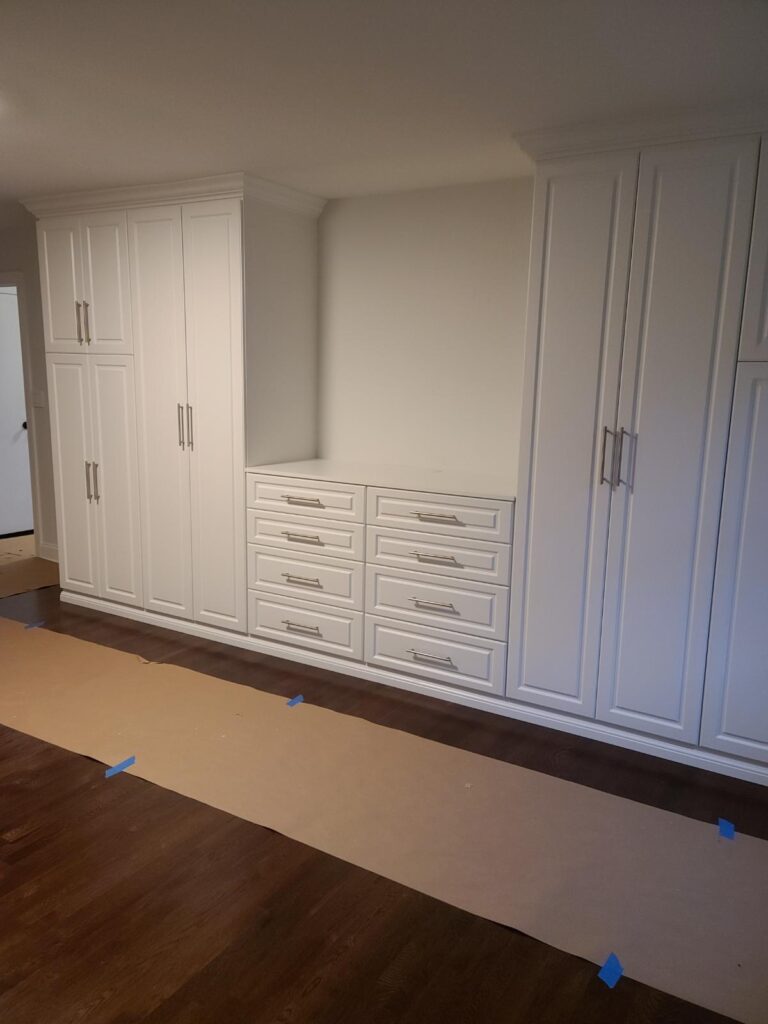
Step 3: Planning Storage Zones and Accessibility Requirements
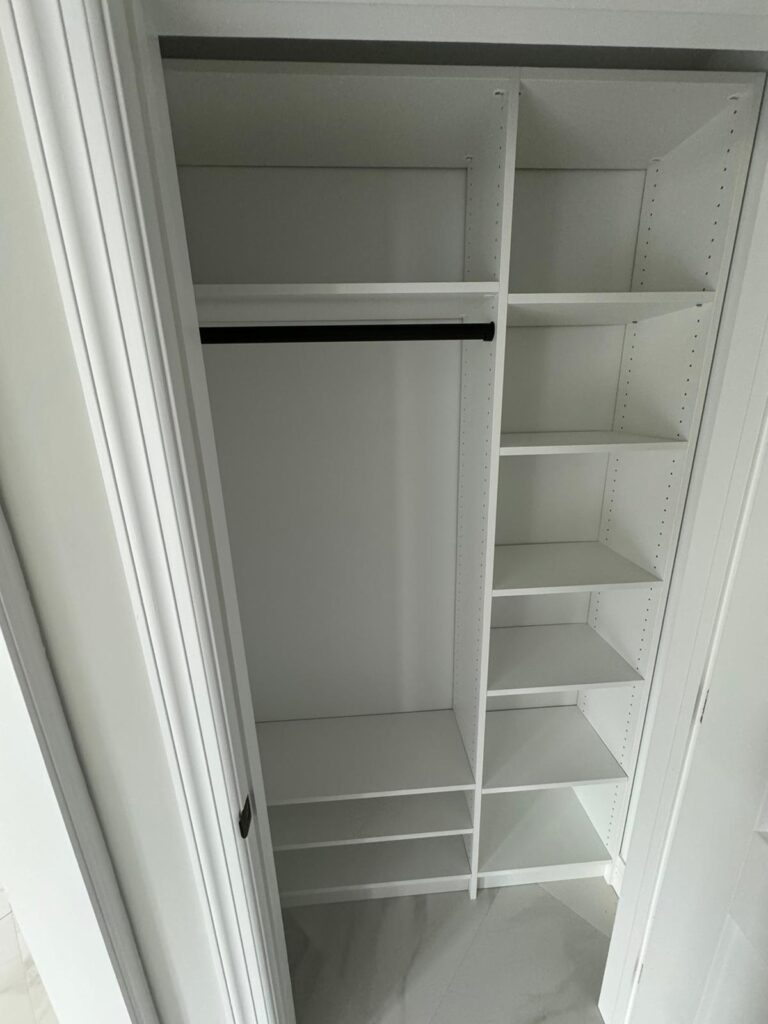
Plan functional zones based on your actual measurements and needs.
Hanging Zone Requirements:
• Short hang: 36-40 inches minimum
• Long hang: 60-72 inches minimum
• Clearance: 2 inches from walls
Accessibility Standards:
• Reach-in closets: 24-inch maximum depth
• Walk-in closets: 36-inch minimum pathway
• Universal design: 15-48 inch height range for daily items
Storage Calculations:
• Shoe storage: 7 inches width per pair
• Folded items: 12-14 inches depth
• Drawer clearance: 36 inches minimum
Different Closet Types Require Different Approaches
Each closet configuration presents unique measuring challenges that require specific techniques for accurate results.