
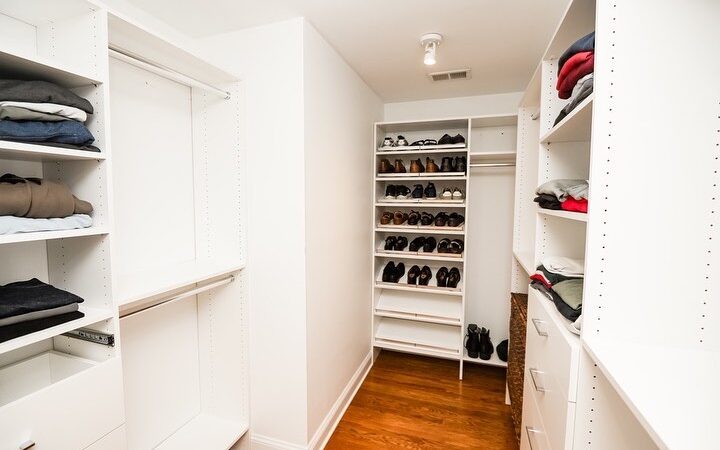
Every morning starts with the same frustrating routine: digging through piles of shoes, searching for matching pairs, and trying to navigate around an overflowing closet floor that’s become a hazardous obstacle course.
For busy professionals in New Jersey, effective shoe organization isn’t just about aesthetics—it’s about reclaiming precious morning minutes and creating a sense of order that sets the tone for a successful day.
Professional shoe organization transforms chaos into calm efficiency.
At Coastal Closets, we’ve helped hundreds of New Jersey homeowners implement shoe organization systems that actually work long-term.
✓ Custom-Designed Storage Solutions
✓ Vetted In-House Installation Team
✓ Premium Materials & Finishes
✓ Maximizes Every Available Inch
Why Traditional Shoe Storage Methods Fall Short
Most homeowners start with good intentions, purchasing over-the-door shoe organizers, plastic bins, or basic shoe racks from retail stores.
However, these generic solutions rarely address the specific challenges busy professionals face with diverse shoe collections.
Over-the-Door Organizers: These flimsy solutions can’t handle the weight of quality leather shoes, often tearing or sagging within months.
The narrow pockets struggle to accommodate anything beyond basic flats or thin sneakers.
Plastic Storage Bins: While affordable, these create a “out of sight, out of mind” problem where shoes are forgotten and never worn.
Stacking bins makes accessing lower containers nearly impossible, leading to toppling towers and damaged footwear.
Basic Shoe Racks: Standard shoe racks from big-box stores come in predetermined sizes that rarely fit your specific space dimensions perfectly.
They often leave significant gaps or overflow beyond available space, creating visual clutter and wasted square footage.
Professional Shoe Organization Best Practices
Effective shoe organization follows proven principles that professional organizers and custom closet designers have refined over decades of real-world application.
Visibility is Key
The most fundamental rule of shoe organization best practices is ensuring every pair remains visible and easily accessible.
When shoes are hidden in boxes or buried behind other pairs, they effectively disappear from your wardrobe rotation.
Pull-out shelving systems provide perfect visibility while maximizing storage density.
Professional installations include smooth-gliding drawer mechanisms that bring every pair to eye level with a gentle pull.
This eliminates the need to crouch, reach, or move other shoes to access the pair you want.
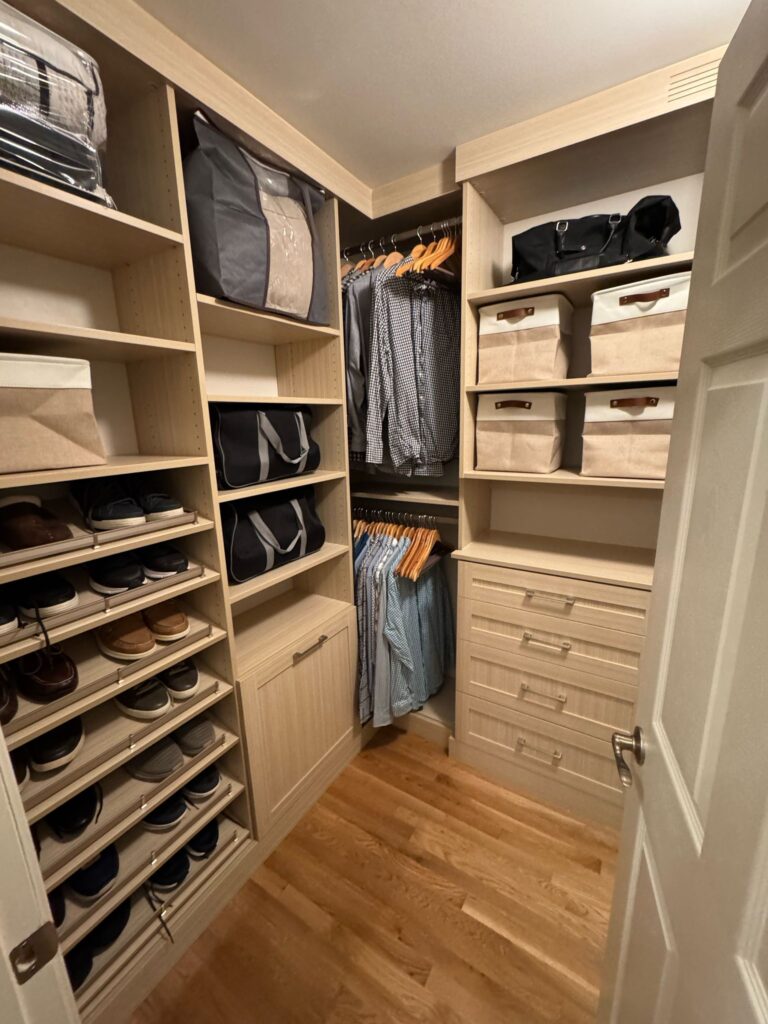
Zone by Frequency and Function
Smart shoe organization best practices involve creating zones based on how frequently you wear different types of footwear.
Eye-Level Zone (Prime Real Estate): Reserve this most accessible area for your daily rotation shoes—the pairs you reach for most often during typical work weeks.
Lower Zones: Perfect for casual shoes, sneakers, and weekend footwear that you access regularly but not daily.
Upper Zones: Ideal for seasonal shoes, special occasion footwear, and pairs you wear infrequently but want to keep accessible.
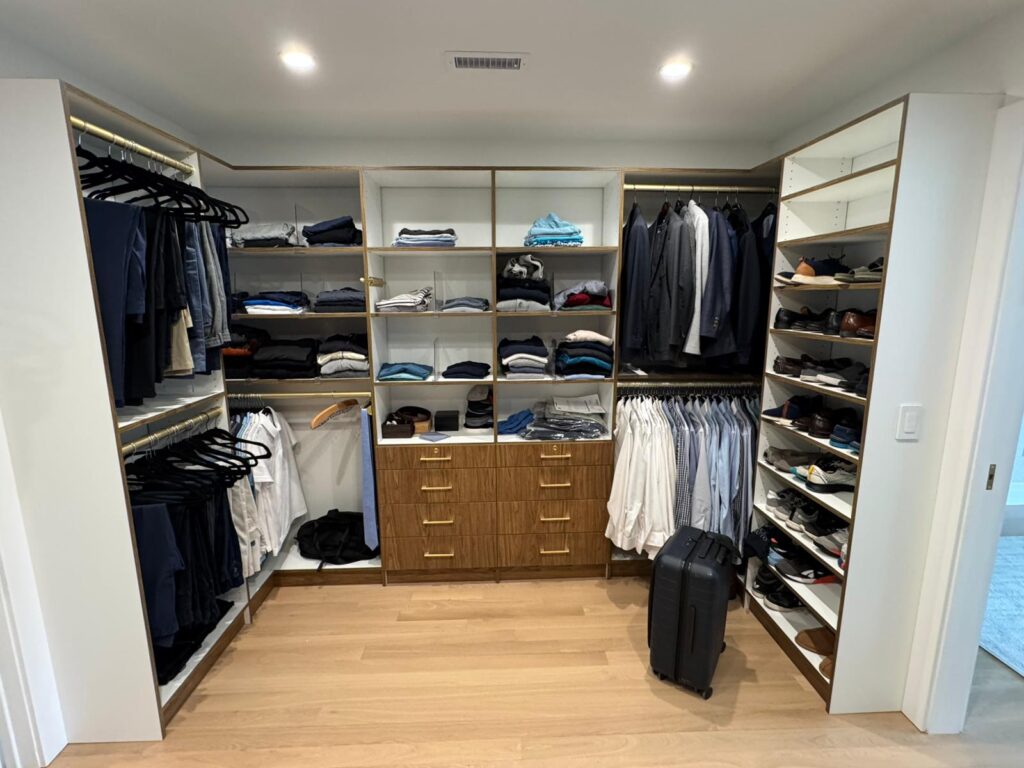
Professional wardrobes require strategic shoe zoning for maximum efficiency.
This organized approach keeps dress shoes at eye level for easy morning selection while maintaining clear separation between work and casual footwear.
Notice how the center tower design provides dedicated shoe storage while maintaining easy visual access to the entire collection.
Proper Spacing and Sizing
Generic shoe storage solutions use one-size-fits-all spacing that wastes vertical space and can’t accommodate different shoe heights effectively.
Professional spacing standards:
• Men’s dress shoes: 6-7 inches of vertical clearance
• Women’s flats: 4-5 inches of vertical clearance
• Sneakers and casual shoes: 5-6 inches of vertical clearance
• Boots and high heels: 8-12 inches of vertical clearance
Custom installations allow for adjustable shelving that can be modified as your shoe collection evolves over time.
Specialized Storage Solutions for Different Shoe Types
One of the most important shoe organization best practices involves recognizing that different types of footwear require specialized storage approaches to maintain their shape and extend their lifespan.
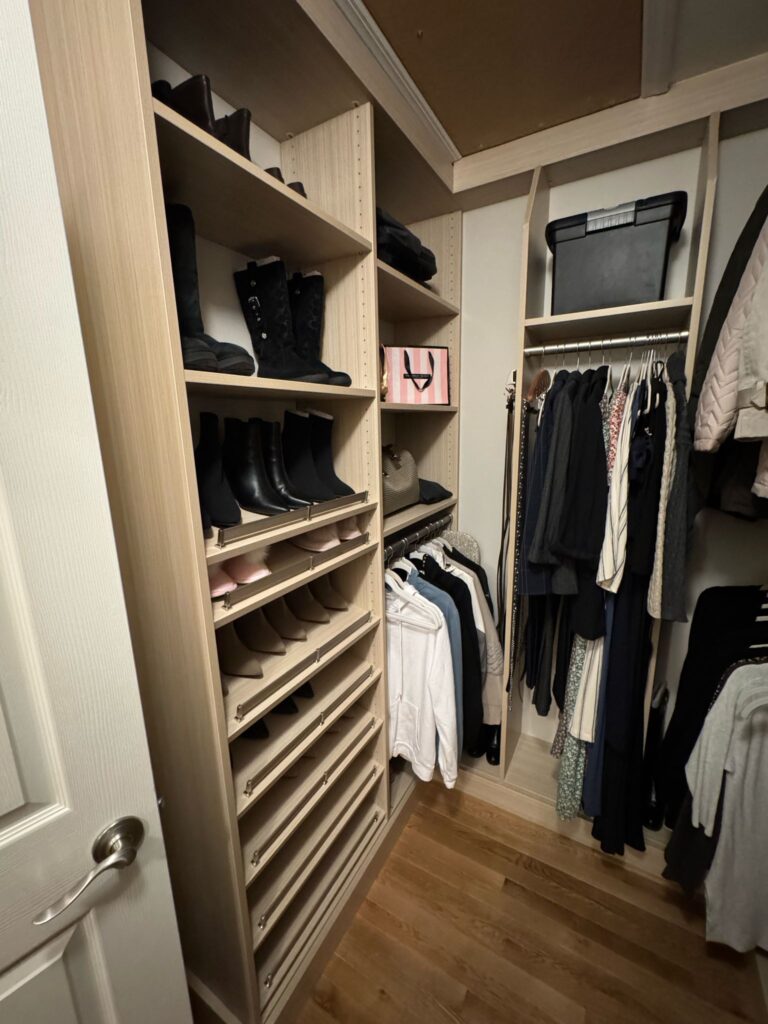
Slanted shoe shelving provides optimal display and preservation for different shoe types.
The angled design prevents shoes from sliding forward while allowing easy identification and selection from your entire collection.
This approach works particularly well for dress shoes and heels that benefit from proper air circulation and shape maintenance.
Boot Storage Solutions
Boots present unique storage challenges due to their height and tendency to lose shape when stored improperly.
Professional boot storage methods:
• Boot shapers: Cedar or plastic inserts maintain proper boot shape and prevent creasing
• Vertical hanging systems: Clip-style hangers allow tall boots to hang naturally without folding
• Pull-out boot drawers: Deep drawers with high sides accommodate various boot heights
• Boot cubby systems: Individual compartments prevent boots from leaning against each other
Athletic and Casual Footwear
Sneakers and casual shoes benefit from storage solutions that promote airflow and easy identification.
Best practices for athletic footwear:
• Open shelving: Allows air circulation to prevent odor buildup
• Toe-forward placement: Makes brand and style identification instant
• Separate zones: Keep athletic shoes separate from dress footwear
• Easy-access placement: Position frequently worn pairs at convenient heights
Maximizing Vertical Space for Shoe Storage
Most homeowners significantly underutilize vertical space when implementing shoe organization best practices, missing opportunities to double or triple their storage capacity.
Floor-to-ceiling systems maximize storage in narrow spaces while maintaining easy access.
This efficient design demonstrates how proper vertical planning can accommodate extensive shoe collections even in compact areas.
Notice the strategic mix of open shelving and closed storage that keeps frequently accessed shoes visible while concealing seasonal items.
Multi-Level Storage Strategy
Professional shoe organization systems use every inch from floor to ceiling through carefully planned multi-level approaches.
Floor Level (0-18 inches): Perfect for heavy boots, frequently changed shoes like gym sneakers, and children’s footwear in family closets.
Prime Access Zone (18-54 inches): This golden zone should house your daily rotation shoes, work footwear, and most-reached-for pairs.
Upper Storage (54+ inches): Ideal for seasonal shoes, special occasion footwear, and backup pairs that you access infrequently.
Corner Utilization
Corner spaces often become dead zones in traditional closet designs, but professional installations turn these areas into valuable shoe storage real estate.
Lazy Susan-style rotating shelves bring corner-stored shoes to the front with a simple spin, eliminating the need to reach into dark corners.
Diagonal shelving systems cut across corner angles to create accessible storage that maximizes the natural geometry of room corners.
Maintaining Your Organized Shoe Collection
Even the best-designed shoe organization systems fail without proper maintenance habits and realistic long-term strategies.
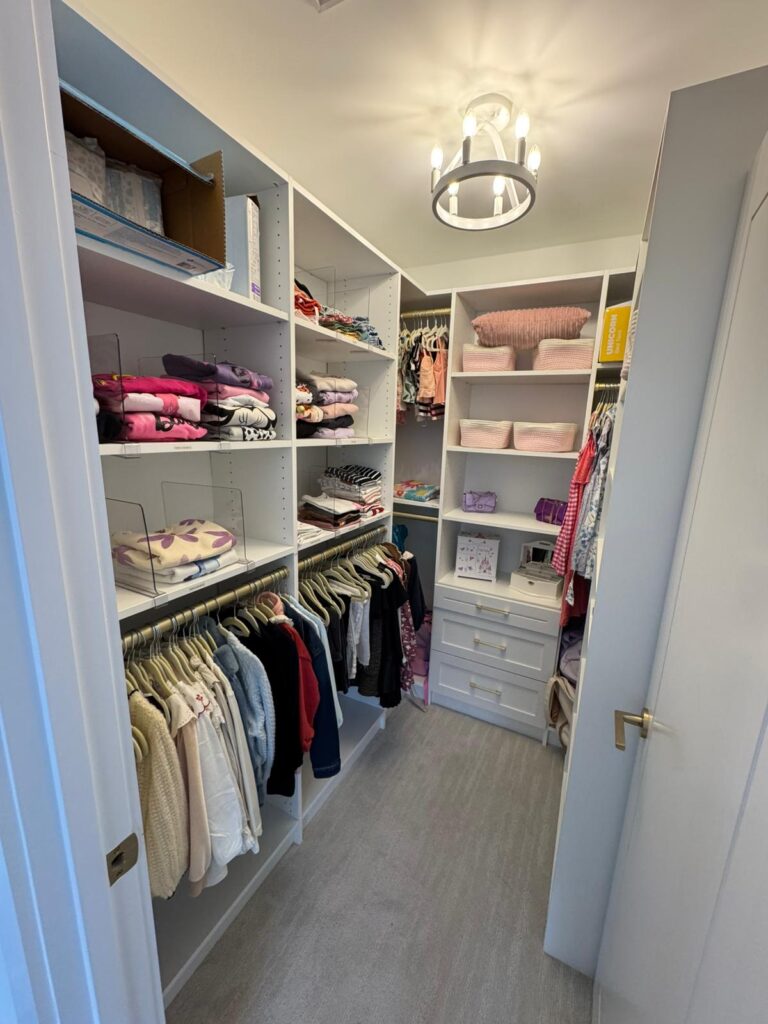
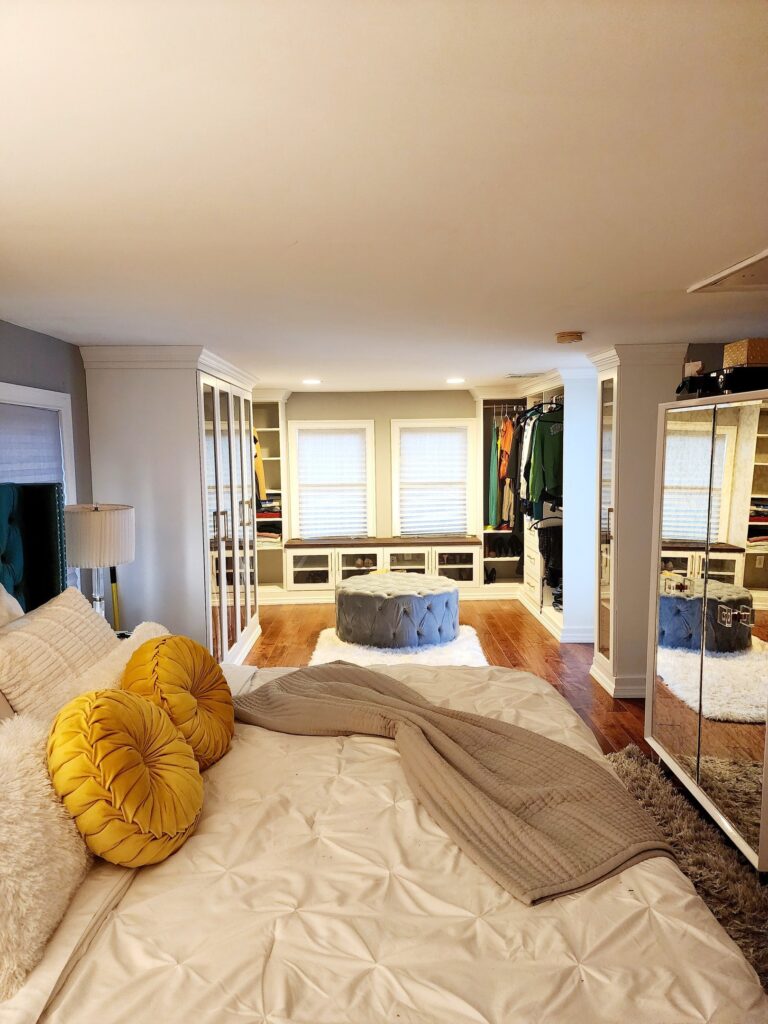
Real-life organization systems must withstand daily use while maintaining their effectiveness.
This lived-in example shows how proper planning creates systems that look great and function well even with extensive daily use.
The key is designing storage solutions that make putting shoes away as easy as taking them out.
Daily Habits for Success
The most sophisticated shoe organization best practices mean nothing without sustainable daily routines that support the system long-term.
The Two-Touch Rule: Touch each shoe only twice—once when taking it off, once when putting it away.
Avoid the temptation to place shoes “temporarily” on floors, beds, or other surfaces where they create clutter.
Weekly Rotation Review: Spend five minutes each weekend reviewing your daily rotation zone.
Move rarely-worn pairs to upper storage and bring down shoes you want to incorporate into the coming week’s wardrobe.
Seasonal Transitions
Successful shoe organization adapts to seasonal changes without requiring complete system overhauls.
Spring Cleaning: Remove winter boots from prime zones and bring spring footwear down from upper storage.
Summer Transition: Maximize airflow around athletic shoes and sandals while storing closed-toe work shoes in well-ventilated areas.
Fall Preparation: Clean and condition boots before returning them to accessible storage zones.
Winter Setup: Position weather-resistant footwear near the closet entrance for easy daily access.
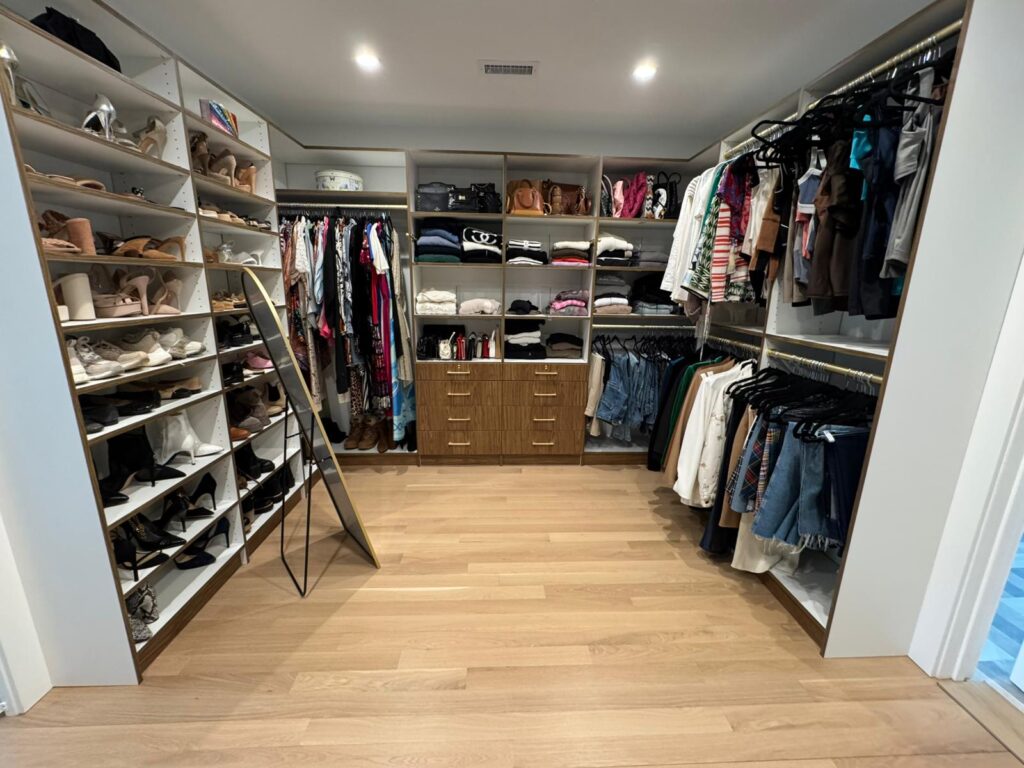
Women’s extensive shoe collections require sophisticated organization strategies.
Professional systems accommodate diverse heel heights, seasonal variations, and style categories while maintaining visual appeal and easy access.
The key is creating flexible systems that adapt to changing collections without requiring complete reorganization.
Ready to Transform Your Shoe Storage?
Implementing professional shoe organization best practices requires more than good intentions—it demands systems designed specifically for your space, lifestyle, and collection size.
Professional custom installations eliminate guesswork and create lasting solutions.
Coastal Closets designs shoe storage systems tailored to your specific space dimensions, style preferences, and collection requirements.
Our vetted, in-house contractors ensure quality installation that stands up to daily use while maintaining the elegance you expect.
Why New Jersey homeowners choose Coastal Closets for shoe organization solutions:
Custom Design Process
• Detailed space analysis
• 3D design visualization
• Material selection guidance
• Lifestyle optimization
Professional Installation
• Vetted in-house contractors
• Quality materials and hardware
• Precise measurements and fitting
• Limited lifetime warranty
Proven Results
• Hundreds of satisfied customers
• Dramatic space optimization
• Long-term organization success
• Increased home value
Local Expertise
• New Jersey-focused service
• Understanding of local homes
• Convenient consultation scheduling
• Regional style preferences
Don’t spend another morning searching for matching shoes or navigating cluttered closet floors.
Transform your daily routine with professional shoe organization systems that bring calm, efficiency, and elegance to your everyday life.