
New Jersey’s humid climate creates the perfect storm for closet moisture problems.
Without proper ventilation, your beautiful closet system can quickly become a breeding ground for mold, mildew, and musty odors that damage clothing and compromise air quality.
✓ Professional Assessment and Design
✓ Building Code Compliant Installation
✓ Moisture-Resistant Materials
✓ Preventive Design Solutions
Proper closet ventilation isn’t just about comfort—it’s about protecting your investment in both your wardrobe and your home.
New Jersey homeowners face unique challenges with seasonal humidity fluctuations, basement moisture issues, and coastal climate conditions that make closet ventilation installation tips essential knowledge.
In this comprehensive guide, we’ll explore the warning signs that indicate your closet needs better ventilation, examine various installation approaches, and reveal why professional solutions deliver superior long-term results.
Why Proper Closet Ventilation Matters in New Jersey
New Jersey’s climate presents specific challenges that make closet ventilation installation tips more critical than in drier regions.
Humidity Fluctuations: Summer humidity levels regularly exceed 70%, while winter heating systems create dramatic moisture swings that stress closet environments.
Coastal Moisture: Properties near the Jersey Shore experience additional moisture infiltration from salt air and frequent precipitation.
Basement Locations: Many New Jersey homes feature finished basements with walk-in closets that naturally accumulate moisture from foundation walls and concrete floors.
Energy Efficiency Concerns: Modern homes with excellent insulation can trap moisture inside, making mechanical ventilation essential for closet health.
Warning Signs Your Closet Needs Better Ventilation
Musty Odors: Persistent musty smells indicate stagnant air and potential mold growth even when clothes appear clean.
Condensation: Water droplets on walls, ceilings, or storage surfaces signal inadequate air circulation.
Mildew Growth: Black or green spots on walls, particularly in corners or behind clothing, require immediate attention.
Clothing Damage: Unexplained staining, discoloration, or deterioration of fabrics suggests moisture problems.
Seasonal Issues: Problems that worsen during humid summer months or after heating system operation indicate poor ventilation design.

DIY Ventilation Methods and Their Limitations
Many homeowners attempt basic closet ventilation installation tips before consulting professionals, but these approaches often provide incomplete solutions.
Louvered Doors and Vents
Installing louvered doors or adding simple vent openings represents the most common DIY approach to closet ventilation.
Basic Installation Process:
• Remove existing solid doors
• Install louvered alternatives or add vent grilles
• Create return air pathways at floor or ceiling level
• Ensure adequate clearance around door frames
Limitations:
• Passive ventilation depends on natural air movement
• Ineffective in areas with minimal HVAC circulation
• Provides no moisture control during high humidity periods
• Can compromise closet security and pest control
Exhaust Fan Installation
Small exhaust fans can improve air movement but require careful planning for effectiveness.
Installation Considerations:
• Electrical work must meet NEC requirements
• Ducting to exterior requires proper routing
• Fan sizing calculations based on closet volume
• Timer controls prevent continuous operation costs
Common Problems:
• Inadequate fan capacity for space requirements
• Poor ductwork installation creates noise issues
• Lack of make-up air causes negative pressure problems
• No integration with overall HVAC system design
Dehumidifier Solutions
Portable dehumidifiers can address moisture directly but create maintenance and energy consumption concerns.
Effectiveness Factors:
• Unit capacity must match space moisture load
• Continuous drainage connection required
• Regular filter maintenance prevents efficiency loss
• Energy costs can become significant year-round
Drawbacks:
• Takes up valuable closet floor space
• Creates noise during operation
• Doesn’t address air circulation issues
• May over-dry air during winter months
Professional Ventilation Solutions for Custom Closets
Why Professional Design Makes the Difference
At Coastal Closets, we integrate ventilation planning into every custom closet design from the initial consultation phase.
Our 7-step process includes comprehensive moisture assessment, HVAC integration analysis, and building code compliance verification.
Professional closet ventilation installation tips focus on creating complete environmental control systems rather than addressing symptoms.
Integrated HVAC Solutions
The most effective closet ventilation systems connect directly to your home’s central HVAC system for consistent temperature and humidity control.
Supply and Return Ductwork: Properly sized ducts provide conditioned air while removing stale air and moisture. Professional installation ensures balanced airflow that prevents hot or cold spots.
Zone Control Integration: Advanced systems allow independent climate control for large walk-in closets, preventing over-conditioning of adjacent spaces.
Humidity Management: Whole-house dehumidification systems maintain optimal moisture levels throughout the home, including closet spaces.
Moisture-Resistant Materials and Construction
Professional installations incorporate materials specifically chosen for their moisture resistance and ventilation properties.
Melamine and Laminate Systems: Our premium storage systems use moisture-resistant substrates that won’t warp, swell, or support mold growth like traditional wood products.
Ventilated Shelving Design: Wire or slatted shelving components allow air circulation around stored items, preventing stagnant air pockets that promote moisture accumulation.
Vapor Barrier Installation: Proper moisture barriers on exterior walls prevent humidity infiltration from foundation or exterior sources.
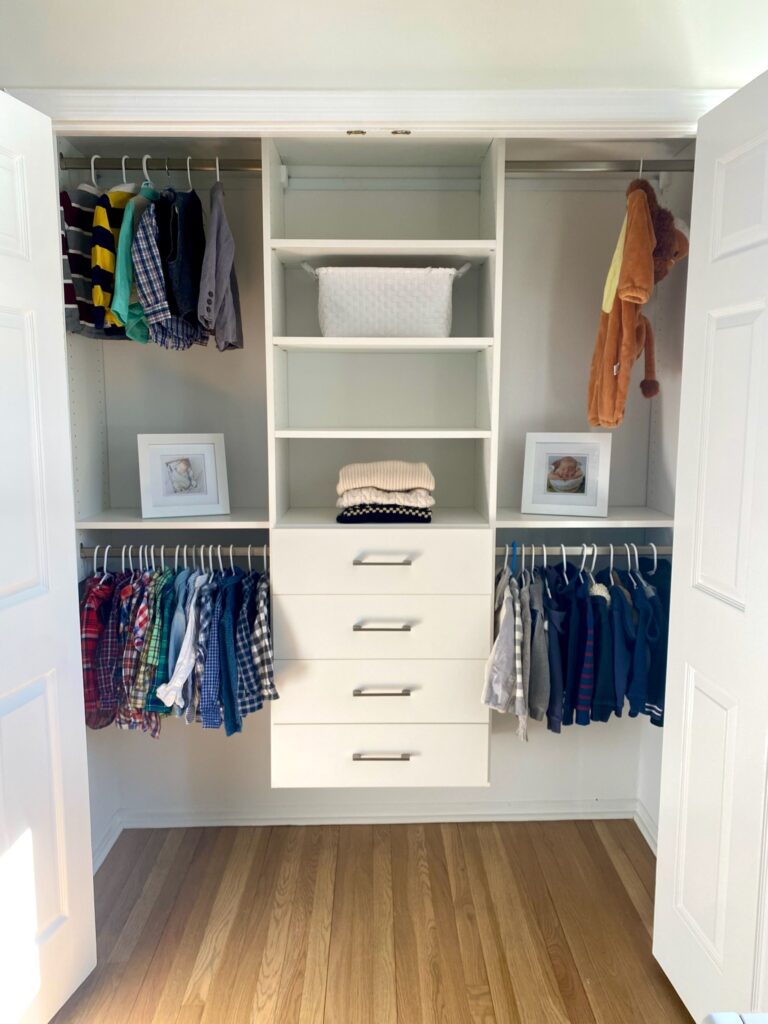
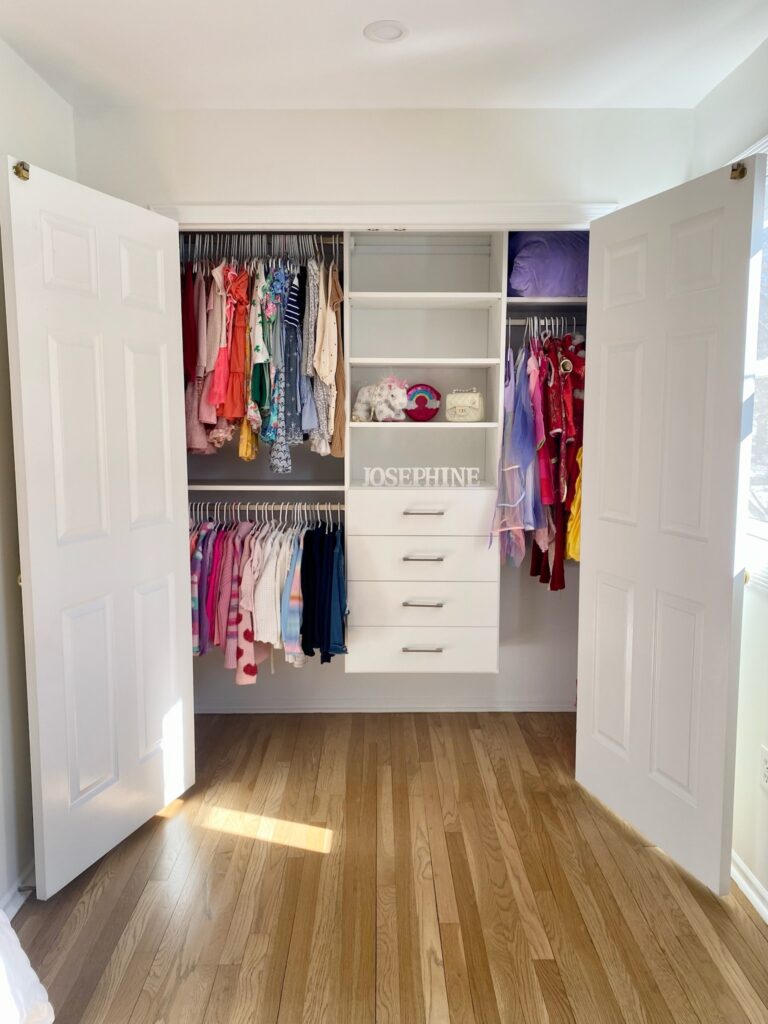
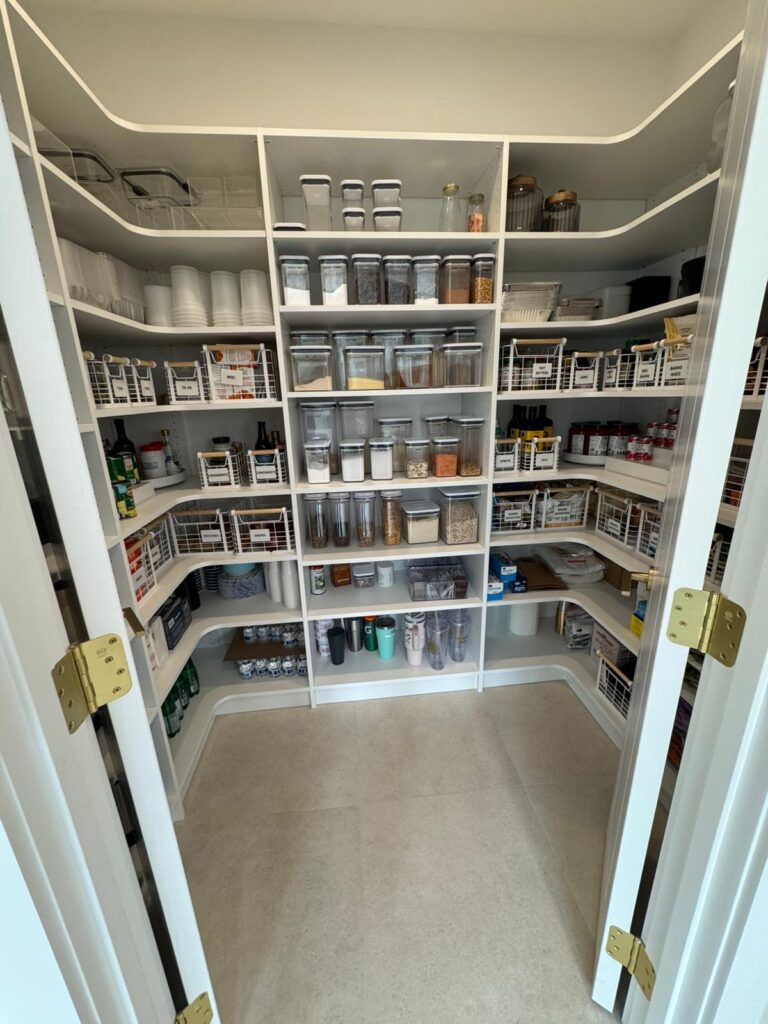
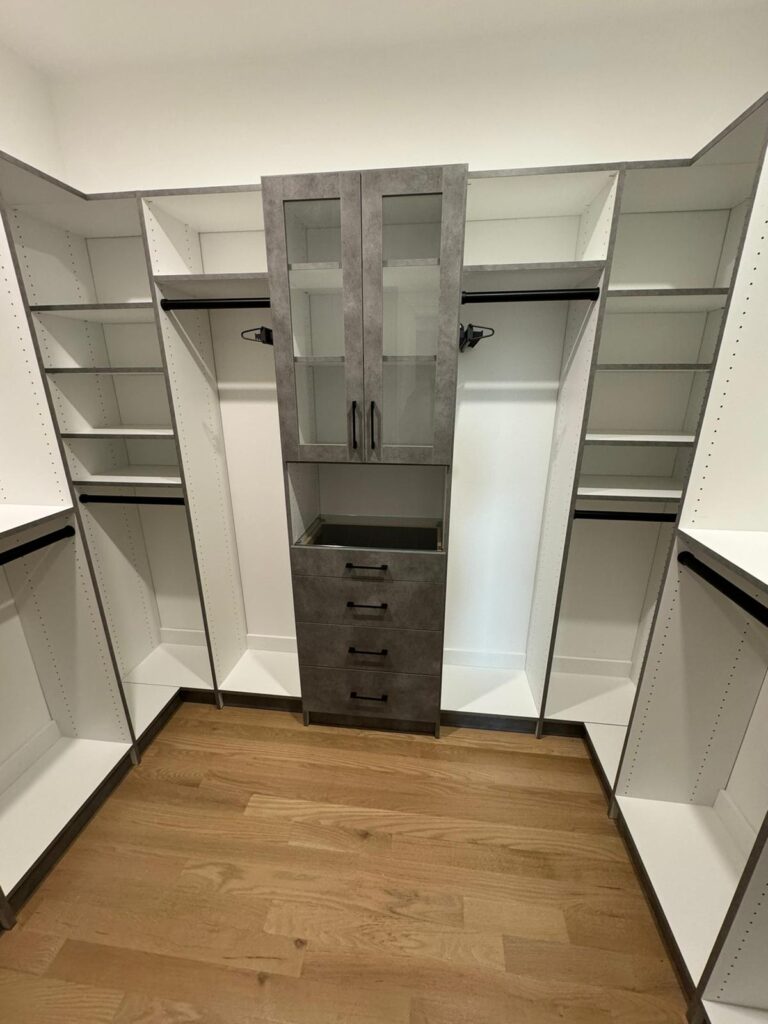
These functional closet systems showcase proper organization that promotes air circulation and prevents moisture buildup through strategic spacing and ventilated components.
Installation Considerations and Building Codes
Professional installation ensures compliance with New Jersey building codes and safety requirements.
Electrical Code Compliance: All electrical work must meet NEC standards, including proper GFCI protection and circuit loading calculations.
Mechanical Ventilation Requirements: Many municipalities require mechanical ventilation in closets exceeding certain square footage thresholds.
Fire Safety Considerations: Ventilation systems must not compromise fire rating of walls or create draft paths that could spread flames.
Permit Requirements: Significant ventilation modifications typically require permits and inspections for safety compliance.
Structural Considerations
Professional closet ventilation installation tips include careful evaluation of structural elements that affect installation feasibility.
Load-Bearing Walls: Ductwork routing must avoid compromising structural members while maintaining adequate airflow capacity.
Ceiling Height Restrictions: Dropped ceilings may limit ductwork options, requiring creative solutions for adequate ventilation.
Plumbing and Electrical Conflicts: Existing utilities may require rerouting to accommodate optimal ventilation duct placement.
Maintenance Tips for Long-Term Performance
Even the best closet ventilation systems require regular maintenance to maintain peak performance and prevent moisture problems.
Regular Inspection Schedule
Monthly Checks:
• Verify exhaust fans operate quietly and efficiently
• Check for any new musty odors or moisture signs
• Ensure vents and grilles remain unobstructed
• Monitor dehumidifier operation and empty collection tanks
Seasonal Maintenance:
• Replace or clean air filters in ventilation equipment
• Inspect ductwork connections for air leaks
• Test humidity levels with digital hygrometers
• Adjust system operation for seasonal climate changes
Professional Maintenance Services
Annual professional maintenance ensures optimal system performance and identifies potential problems before they cause damage.
Comprehensive System Inspection: Trained technicians evaluate all components, including hidden ductwork and electrical connections.
Performance Testing: Airflow measurements and humidity monitoring ensure systems meet design specifications.
Preventive Adjustments: Fine-tuning of controls and equipment settings maintains energy efficiency while maximizing moisture control effectiveness.
When to Call Professional Closet Designers
Complex ventilation challenges require professional expertise for lasting solutions.
Persistent Moisture Problems: If DIY solutions haven’t resolved odors or visible moisture issues, professional assessment identifies underlying causes.
Major Renovations: Room additions, basement finishing, or significant remodeling projects benefit from integrated ventilation planning.
Energy Efficiency Goals: Professional systems optimize energy consumption while maintaining ideal closet conditions year-round.
Signs You Need Professional Help
Recurring Mold Growth: Mold that returns despite cleaning indicates systemic ventilation inadequacy requiring professional intervention.
HVAC Integration Needs: Connecting closet ventilation to existing systems requires professional HVAC knowledge and local code compliance expertise.
Custom Closet Installation: New custom closet projects benefit from integrated ventilation design that prevents future moisture problems.
Insurance or Health Concerns: Significant moisture damage or health issues related to poor air quality require comprehensive professional solutions.
Ready to Design Your Perfect Ventilated Closet?
Don’t let moisture problems compromise your custom closet investment.
Coastal Closets combines expert ventilation planning with premium storage solutions to create closet systems that perform beautifully for decades.
Our vetted, in-house contractors understand New Jersey’s unique climate challenges and building code requirements.
Every installation includes comprehensive moisture assessment, professional-grade ventilation integration, and materials specifically chosen for long-term durability in humid conditions.
The Coastal Closets Advantage:
✓ Integrated Ventilation Design: Every custom closet includes proper air circulation planning from the initial design phase.
✓ Moisture-Resistant Materials: Premium melamine and laminate systems that won’t warp, swell, or support mold growth.
✓ Building Code Compliance: All installations meet New Jersey electrical and mechanical codes with proper permits and inspections.
✓ Energy Efficiency: Smart ventilation solutions that maintain ideal conditions without excessive energy consumption.
✓ Comprehensive Warranty: Complete system protection including ventilation components and moisture-related issues.
Your closet should protect and preserve your wardrobe, not threaten it with moisture damage.
Professional closet ventilation installation tips from Coastal Closets ensure your investment delivers years of reliable, healthy storage performance.
Schedule your free consultation today and discover how proper ventilation design transforms your closet into a climate-controlled sanctuary for your clothing and accessories.