
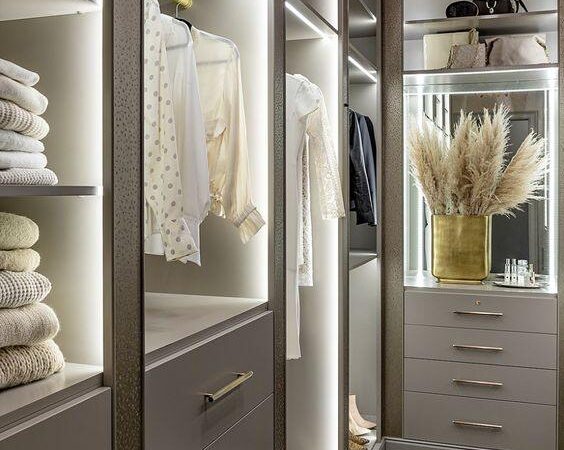
Choosing the right lighting system for your custom closet affects both daily convenience and long-term satisfaction with your storage space. New Jersey homeowners from Bergen County to Essex County investing in premium closet systems face a fundamental decision: motion sensors vs manual lighting control.
The lighting choice you make impacts energy efficiency, ease of use, and the overall functionality of your closet investment.

The right lighting system transforms your closet from functional storage into a luxury daily experience.
At Coastal Closets, we help New Jersey homeowners navigate this crucial decision through our comprehensive 7-step process, ensuring your lighting choice perfectly matches your lifestyle and storage needs.
✓ Expert Electrical Integration
✓ Energy-Efficient LED Systems
✓ Vetted In-House Contractors
✓ Premium Materials & Warranty
Understanding Your Closet Lighting Options
Modern closet lighting extends far beyond a single overhead bulb.
Today’s homeowners throughout Morris County and Hudson County choose between sophisticated motion sensor systems that activate automatically and manual lighting systems that provide complete user control.
Each approach offers distinct advantages, but the best choice depends on your specific needs, budget, and daily habits.
Understanding these differences helps you make an informed decision that enhances your closet’s functionality for years to come.
Motion Sensor Lighting: Convenience and Energy Efficiency

Motion sensor systems automatically illuminate your closet the moment you enter, creating seamless daily convenience.
Modern sensors detect movement with remarkable precision, activating LED strips, overhead fixtures, or accent lighting instantly.
This automation proves especially valuable during early morning routines or late evening wardrobe changes when fumbling for light switches disrupts your flow.
Energy efficiency represents another significant advantage.
Motion sensors automatically turn lights off after a preset period, eliminating the common problem of accidentally leaving closet lights on all day.
Key Motion Sensor Benefits:
- Hands-Free Operation: Perfect when carrying clothes, hangers, or storage items
- Energy Savings: Automatic shut-off prevents wasted electricity
- Consistent Illumination: Always provides the same lighting level
- Modern Convenience: Integrates well with smart home systems
- Accessibility: Eliminates need to locate switches in dark spaces
However, motion sensors require careful calibration to prevent false triggers from pets or air movement while ensuring reliable activation when you enter the space.
Manual Lighting: Control and Reliability
Manual lighting systems give you complete control over when, how, and which lights illuminate your closet space.
This control proves valuable for creating specific lighting scenarios, such as dimming lights for quick evening access or brightening them for detailed outfit selection.
Manual systems often incorporate multiple switch options, allowing you to activate overhead lighting, accent strips, or specialty fixtures independently.
This flexibility supports different activities within your closet, from quick garment retrieval to extended wardrobe planning sessions.
Reliability represents another manual lighting advantage – switches work consistently without sensor calibration issues or battery replacements.

Manual Lighting Advantages:
- Precise Control: Choose exactly which lights to activate
- Variable Brightness: Dimmer switches adjust lighting intensity
- Selective Activation: Turn on only needed lighting zones
- Lower Maintenance: No sensors to calibrate or replace
- Cost Effective: Generally less expensive to install
The main consideration with manual systems involves remembering to turn lights off, which can impact energy costs over time.
Key Factors to Consider for Closet Lighting
Several practical considerations should guide your lighting decision beyond the basic motion sensor versus manual choice.
Daily Usage Patterns
• Frequency of closet visits
• Time of day usage
• Duration of typical visits
• Multiple user considerations
Energy Efficiency Goals
• Long-term electricity costs
• Environmental considerations
• LED system efficiency
• Automatic vs manual control
Installation Complexity
• Electrical requirements
• Wiring accessibility
• Smart home integration
• Professional installation needs
Budget Considerations
• Initial installation costs
• Long-term maintenance
• Energy usage expenses
• Technology upgrade paths
Your lifestyle and preferences should ultimately drive this decision, but understanding these factors helps ensure your choice aligns with both immediate needs and long-term satisfaction.
Professional Installation vs DIY Lighting Solutions

Professional electrical integration ensures your lighting system operates safely and efficiently from day one.
Custom closet lighting requires precise electrical planning, especially when coordinating with specialized storage components like illuminated shelving, jewelry drawers, or shoe displays.
Our vetted in-house contractors understand building codes throughout Middlesex County and Union County, including proper load calculations and circuit protection for closet electrical systems.
They also coordinate lighting placement with your storage system design, ensuring fixtures don’t interfere with doors, drawers, or hanging areas while providing optimal illumination.
Professional Installation Benefits:
- Code Compliance: All electrical work meets New Jersey building standards
- Integrated Design: Lighting coordinates perfectly with storage systems
- Safety Assurance: Professional wiring prevents electrical hazards
- Warranty Protection: Installation covered under our comprehensive guarantee
- Smart Integration: Seamless connection with home automation systems
DIY lighting installations often create problems down the road, from inadequate wire sizing to improper fixture mounting that interferes with closet functionality.
Professional installation costs more initially but prevents expensive corrections and ensures your lighting system enhances rather than compromises your closet design.
Lighting Examples: Motion Sensor and Manual Systems
Different lighting approaches create dramatically different closet experiences.
These examples showcase how motion sensor and manual systems integrate with various closet designs and storage configurations.


The first example shows how elegant chandelier lighting creates a luxury focal point while providing ambient illumination perfect for manual control systems.
The second demonstrates comprehensive lighting integration with multiple crystal fixtures that could operate on motion sensors for automatic activation.
The third example illustrates modern LED integration within storage components, ideal for motion-activated accent lighting that highlights specific areas as needed.
How Coastal Closets Integrates Smart Lighting Design
Our 7-step process includes comprehensive lighting planning that matches your specific needs and lifestyle requirements.
During our initial consultation, we evaluate your daily routines, storage requirements, and aesthetic preferences to recommend the ideal lighting approach.
We often combine motion sensor and manual elements, creating hybrid systems that offer both convenience and control where each makes the most sense.
For example, motion sensors might activate general illumination while manual switches control accent lighting for jewelry displays or shoe collections.
This thoughtful integration ensures your lighting system enhances every aspect of your closet experience while supporting long-term functionality and satisfaction.

Our Lighting Integration Process:
- Lifestyle Assessment: Understanding your daily closet usage patterns
- Design Coordination: Aligning lighting with storage component placement
- System Selection: Choosing optimal motion sensor or manual configurations
- Professional Installation: Expert electrical work by vetted contractors
- Testing & Calibration: Ensuring perfect operation from day one
We source premium LED components that deliver consistent color temperature and exceptional longevity, ensuring your lighting investment performs beautifully for years to come.
Ready to Illuminate Your Perfect Closet?
The choice between motion sensor and manual lighting doesn’t have to be an either-or decision.
With proper planning and professional installation, you can create a lighting system that combines the best of both approaches, delivering convenience where it matters most and control where you need it.
New Jersey homeowners from Somerset County to Passaic County trust Coastal Closets to design and install lighting systems that enhance their daily routines while protecting their investment through expert electrical work and premium components.
Our comprehensive approach ensures your lighting choice perfectly complements your custom storage system, creating a closet that’s both beautiful and brilliantly functional.
Request Your Free Closet Lighting Consultation
Discover the perfect lighting solution for your custom closet project. Our lighting experts will help you choose between motion sensor and manual systems based on your specific needs and lifestyle.