
Accurate measurements form the foundation of every successful closet renovation, yet most homeowners underestimate the precision required for truly functional storage solutions.
Whether you’re planning a simple reach-in closet upgrade or designing a luxurious walk-in system, measuring closet space for renovation demands attention to detail that goes far beyond basic length, width, and height calculations.
Professional closet designers know that precise measurements determine the difference between storage systems that transform your daily routine and those that create ongoing frustration.
At Coastal Closets, we’ve seen countless New Jersey homeowners struggle with renovations that looked perfect on paper but failed in real-world use—all because of measurement oversights.
✓ Comprehensive Space Analysis
✓ Detailed Technical Drawings
✓ Free Design Consultation
✓ 30+ Years Combined Experience
Why Accurate Measurements Matter for Closet Renovations
The measuring closet space for renovation process goes far beyond determining if components will fit.
Professional measurements account for structural elements, electrical considerations, ventilation requirements, and the precise clearances needed for doors, drawers, and hanging systems to function properly.
Common measurement mistakes we encounter include failing to account for baseboards, crown molding, electrical outlets, light switches, HVAC vents, and door swing clearances.
These oversights can result in expensive re-work, compromised functionality, or complete system redesigns.
Essential Tools for Professional Closet Measuring
Professional-grade measuring requires the right tools to ensure accuracy and efficiency.
Essential measuring tools include:
• 25-foot metal tape measure (minimum)
• Laser measuring device for large spaces
• 6-inch metal ruler for detailed measurements
• Digital camera or smartphone
• Graph paper or measuring app
• Pencil and eraser
• Flashlight or headlamp
• Stud finder
• Level (2-foot minimum)
Metal tape measures provide more accurate readings than cloth or plastic alternatives, especially for longer measurements where tape sag can introduce errors.
Step-by-Step Closet Measuring Process
Follow this systematic approach for comprehensive closet measurements:
1. Room Dimensions
Measure length, width, and height at multiple points, as rooms are rarely perfectly square.
2. Wall Analysis
Document any irregularities, protrusions, or recesses that will affect installation.
3. Ceiling Considerations
Note sloped ceilings, exposed beams, or dropped ceiling areas that impact vertical storage.
Detailed measurement sequence:
Step 1: Overall Room Dimensions
Measure the room length and width at floor level, taking readings at both ends and the middle to identify any irregularities.
Step 2: Height Measurements
Record ceiling height at each corner and center of the room, noting any variations that could affect tall storage units.
Step 3: Door and Window Documentation
Measure door opening width, height, and swing direction, plus any windows with their exact positions and dimensions.
Step 4: Obstacle Identification
Locate and measure around electrical outlets, switches, HVAC vents, plumbing, or structural elements.
Step 5: Floor and Wall Conditions
Check for level floors and plumb walls using your level, noting any significant variations that require accommodation.
Measuring Different Closet Types
Each closet configuration presents unique measuring challenges that require specific attention to ensure optimal storage solutions.
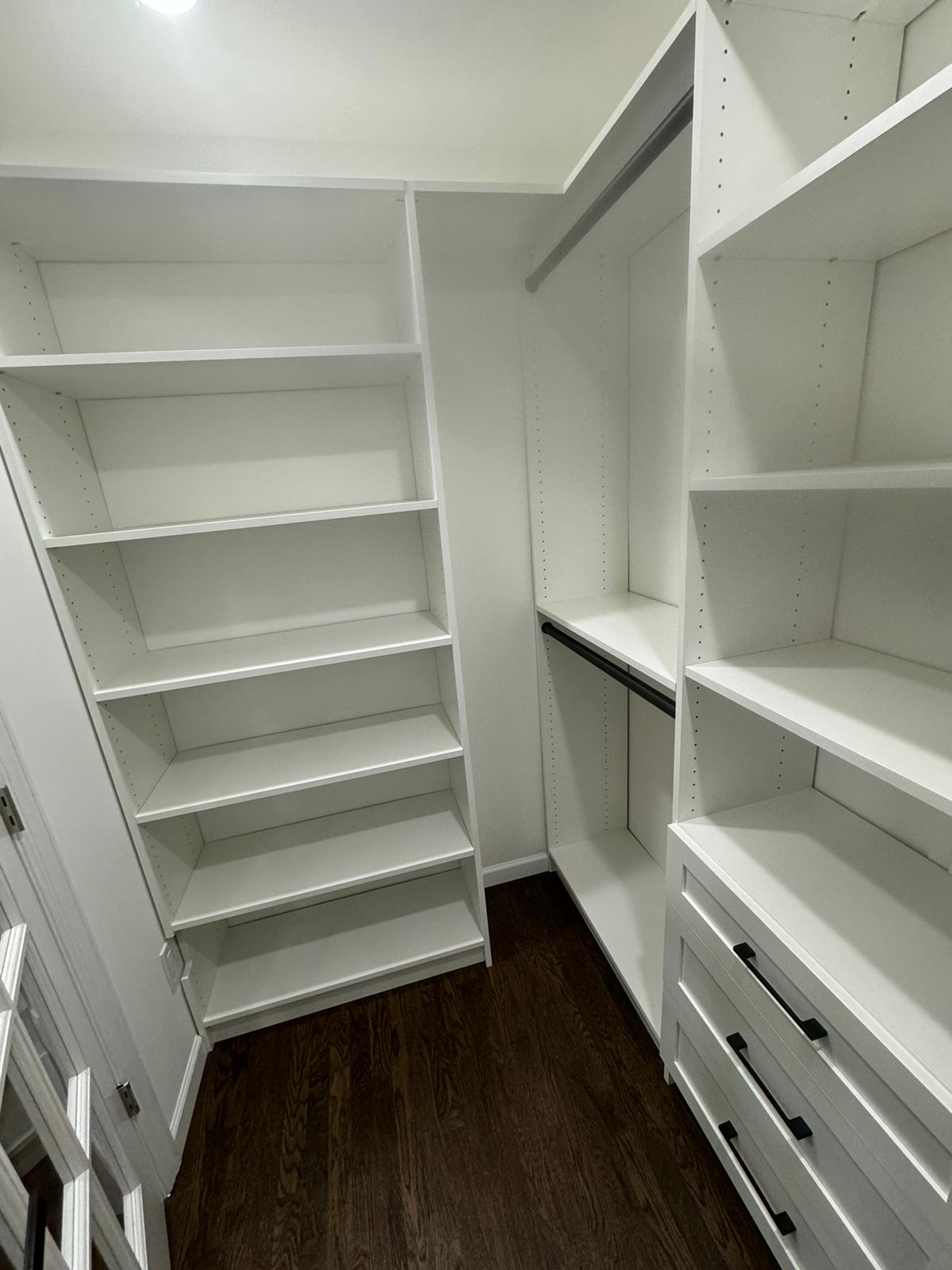
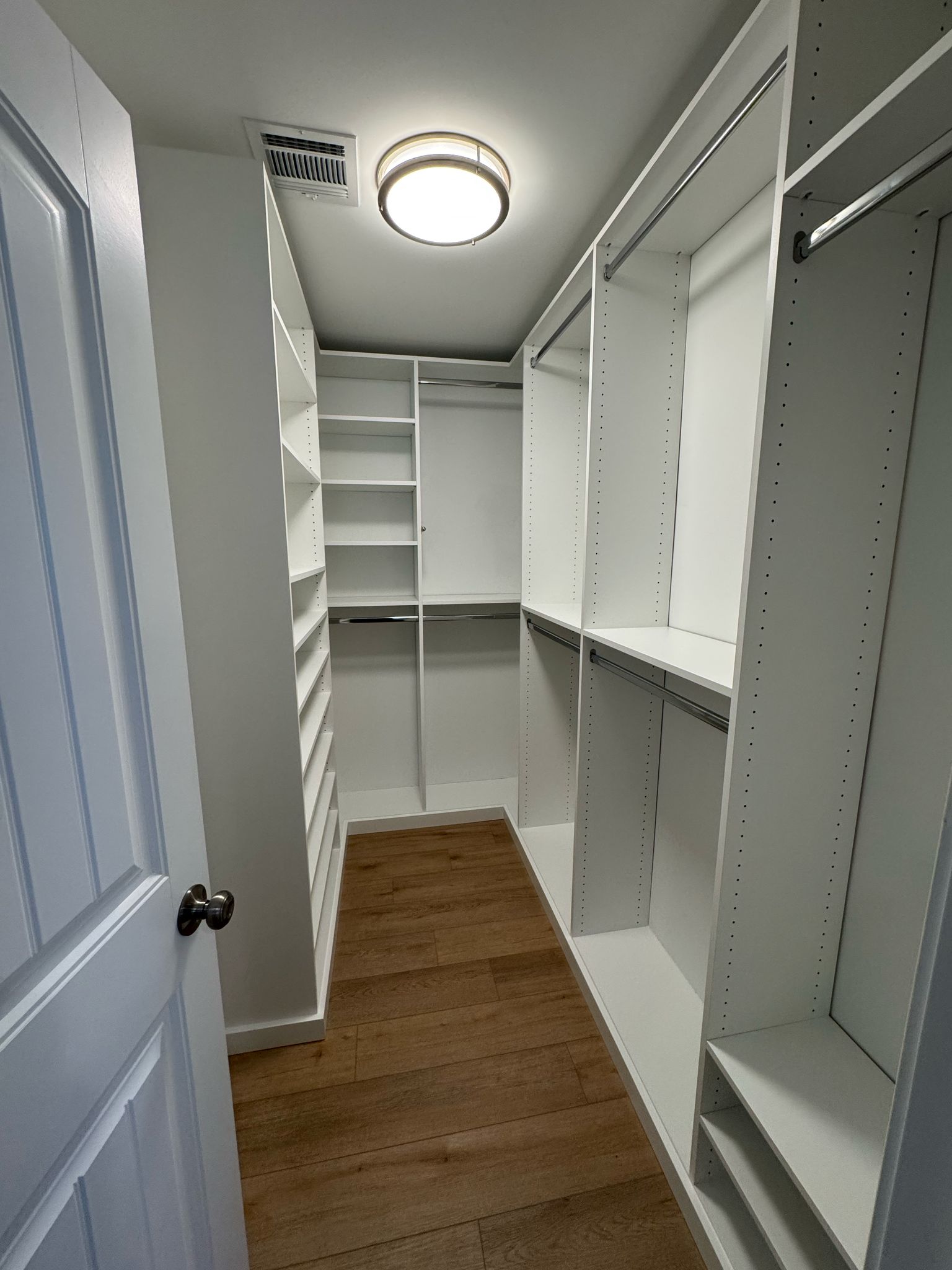
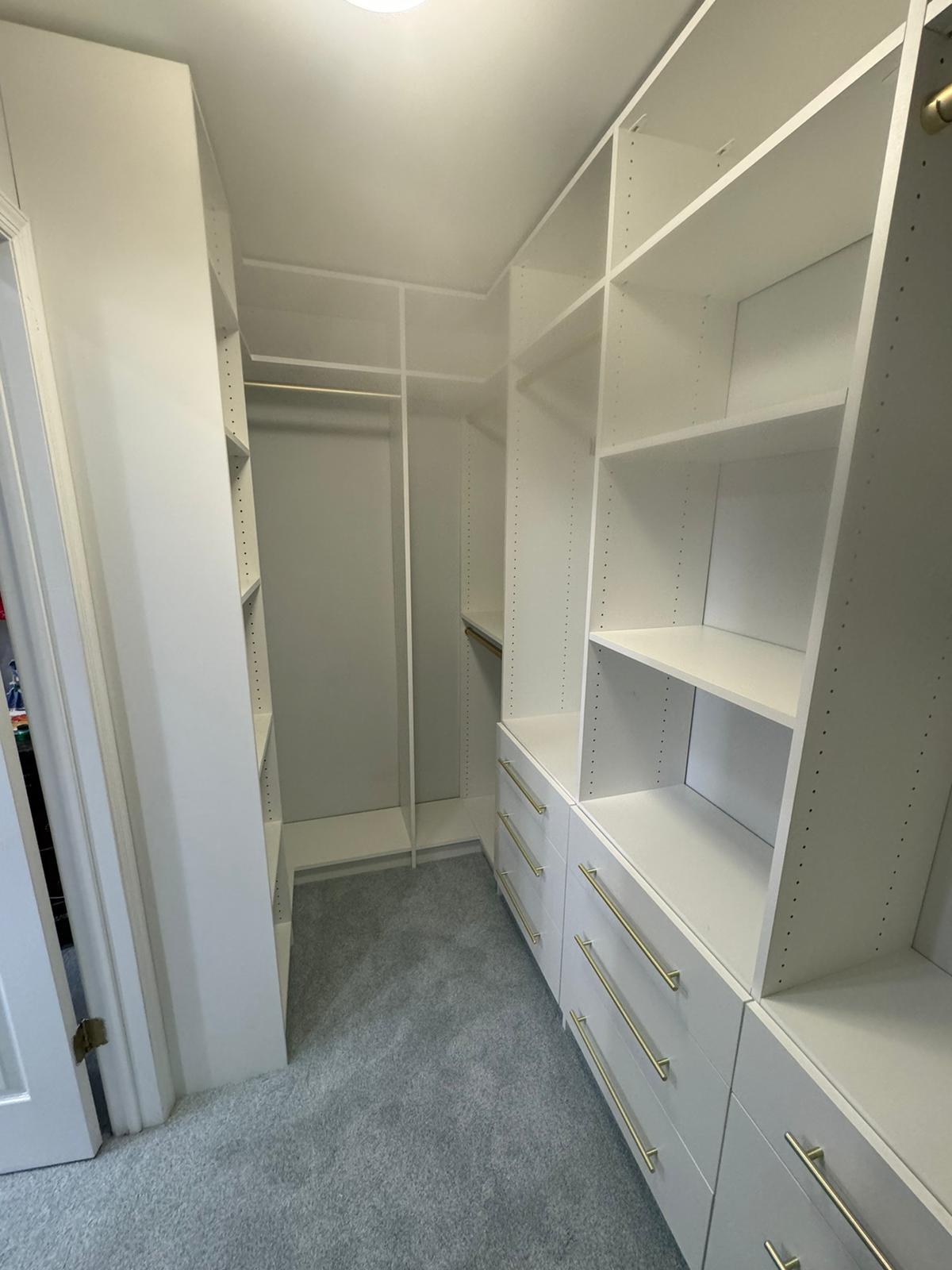
Reach-In Closet Measurements
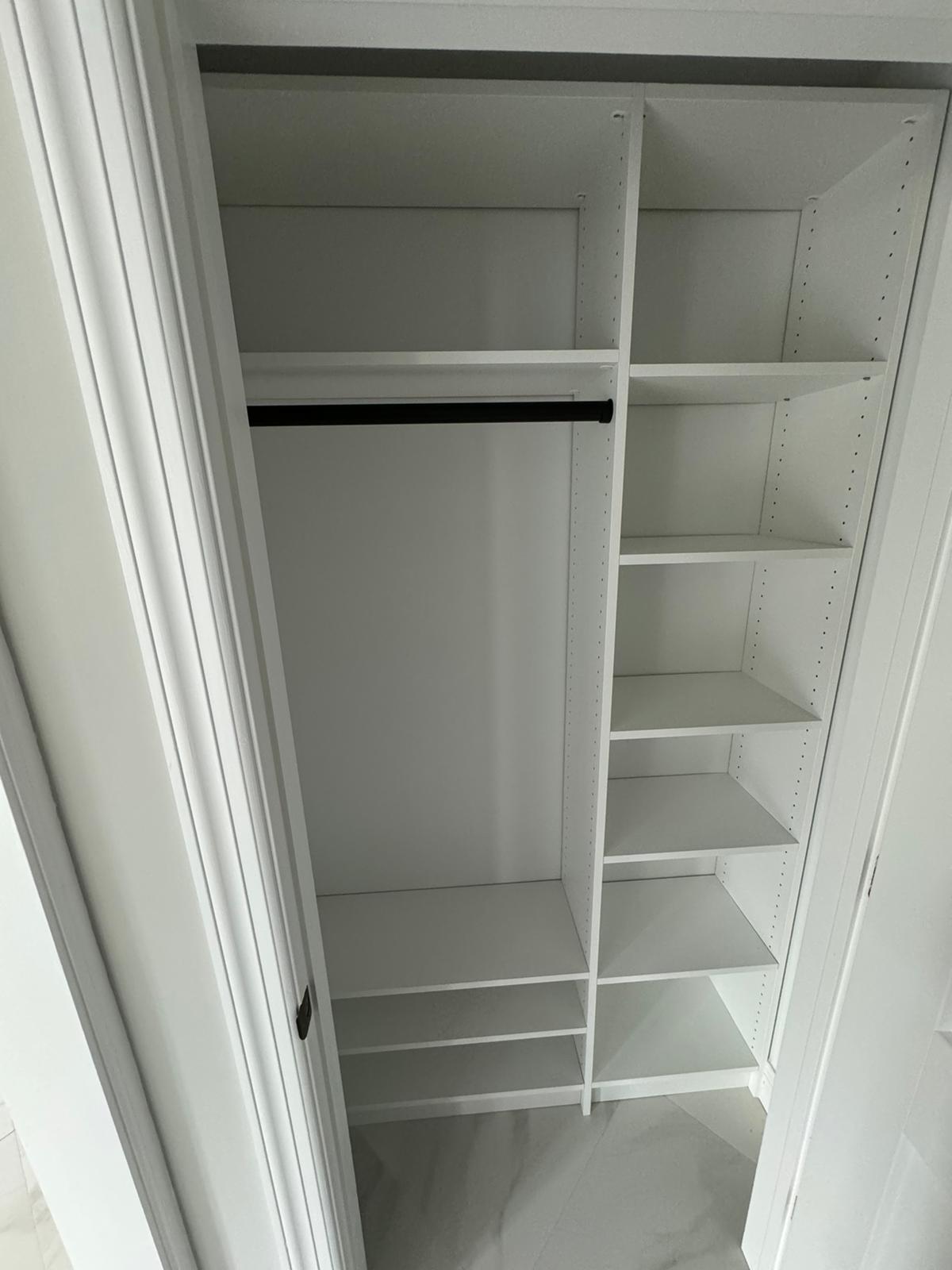
Reach-in closets require precise depth measurements to maximize storage while maintaining accessibility.
Standard reach-in closets typically measure 24 inches deep, but variations are common in older New Jersey homes.
Pay special attention to door opening dimensions, as bifold or sliding doors require different clearance considerations than traditional hinged doors.
Document the exact position of the existing closet rod and shelf to understand current functionality limitations.
Walk-In Closet Complexities
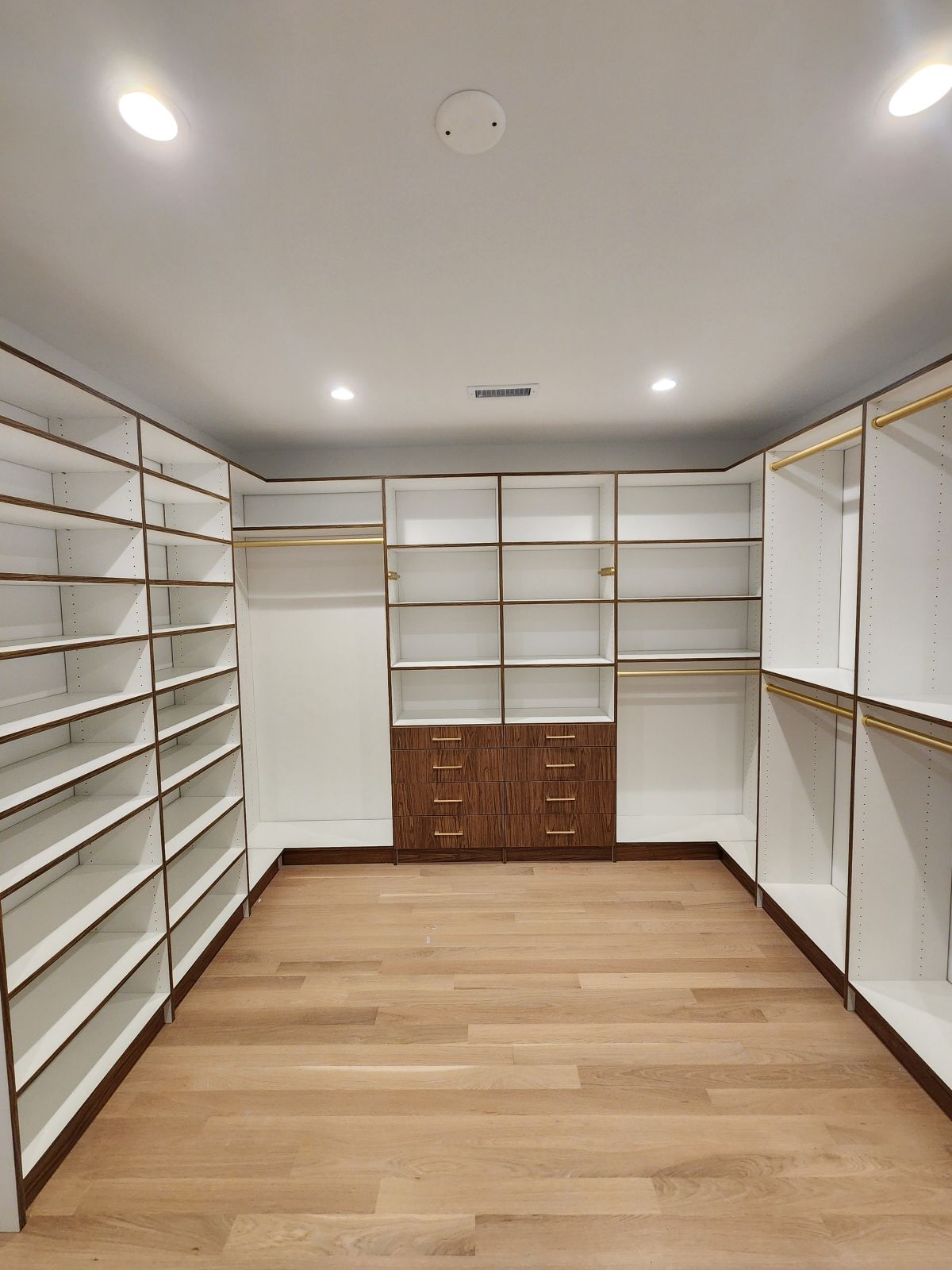
Walk-in closets present more complex measuring challenges due to multiple wall surfaces, corner intersections, and varied ceiling heights.
Create a detailed floor plan showing exact wall lengths, corner angles, and any architectural features like sloped ceilings or support beams.
Consider traffic flow patterns by measuring walkway widths and ensuring minimum clearances for comfortable movement and access to storage areas.
Recording Your Measurements Like a Pro
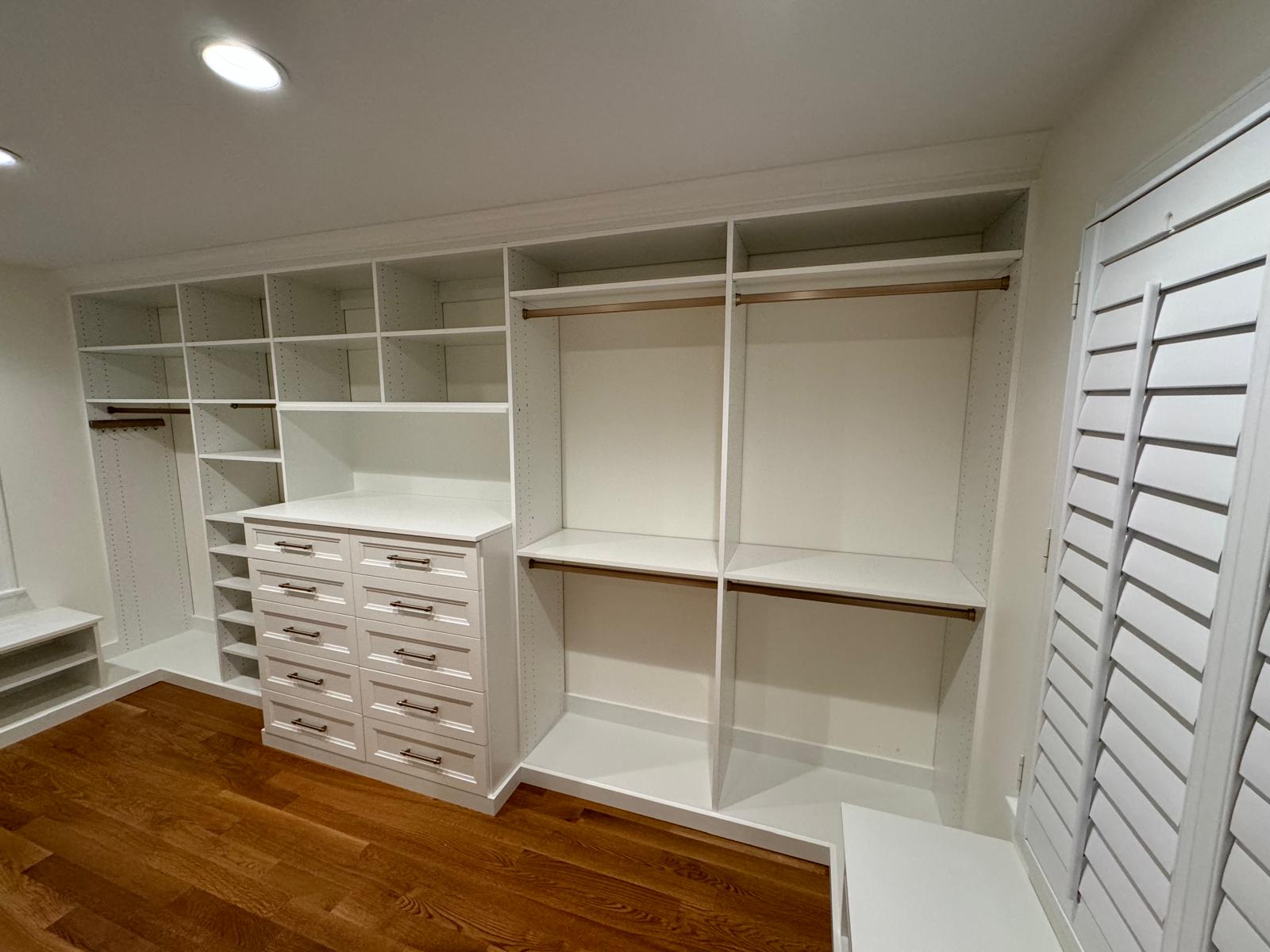
Professional documentation prevents costly mistakes and ensures accurate installation planning.
Create detailed sketches showing all measurements, with photos accompanying each drawing for visual reference.
Use consistent measurement notation, recording dimensions in inches for precision and including fractions rather than decimal equivalents.
Digital measuring apps can help create scaled drawings, but always verify critical measurements with physical tools.
Label each measurement clearly and include reference points like “from east wall to window edge” for clarity during design review.
Common Measuring Challenges and Solutions
Even experienced DIYers encounter measurement obstacles that require creative solutions.
Irregular Wall Angles:
Older homes often have walls that aren’t perfectly square. Use a square tool to identify variations and account for them in your design.
Sloped Ceilings:
Measure ceiling height at multiple points along sloped areas to determine optimal storage system heights.
Hidden Obstacles:
Use a stud finder to locate framing members and identify potential obstacles behind walls before finalizing designs.
Electrical Interference:
Document exact positions of outlets, switches, and fixtures that may require specialized accommodation in the storage design.
When to Call Professional Closet Designers
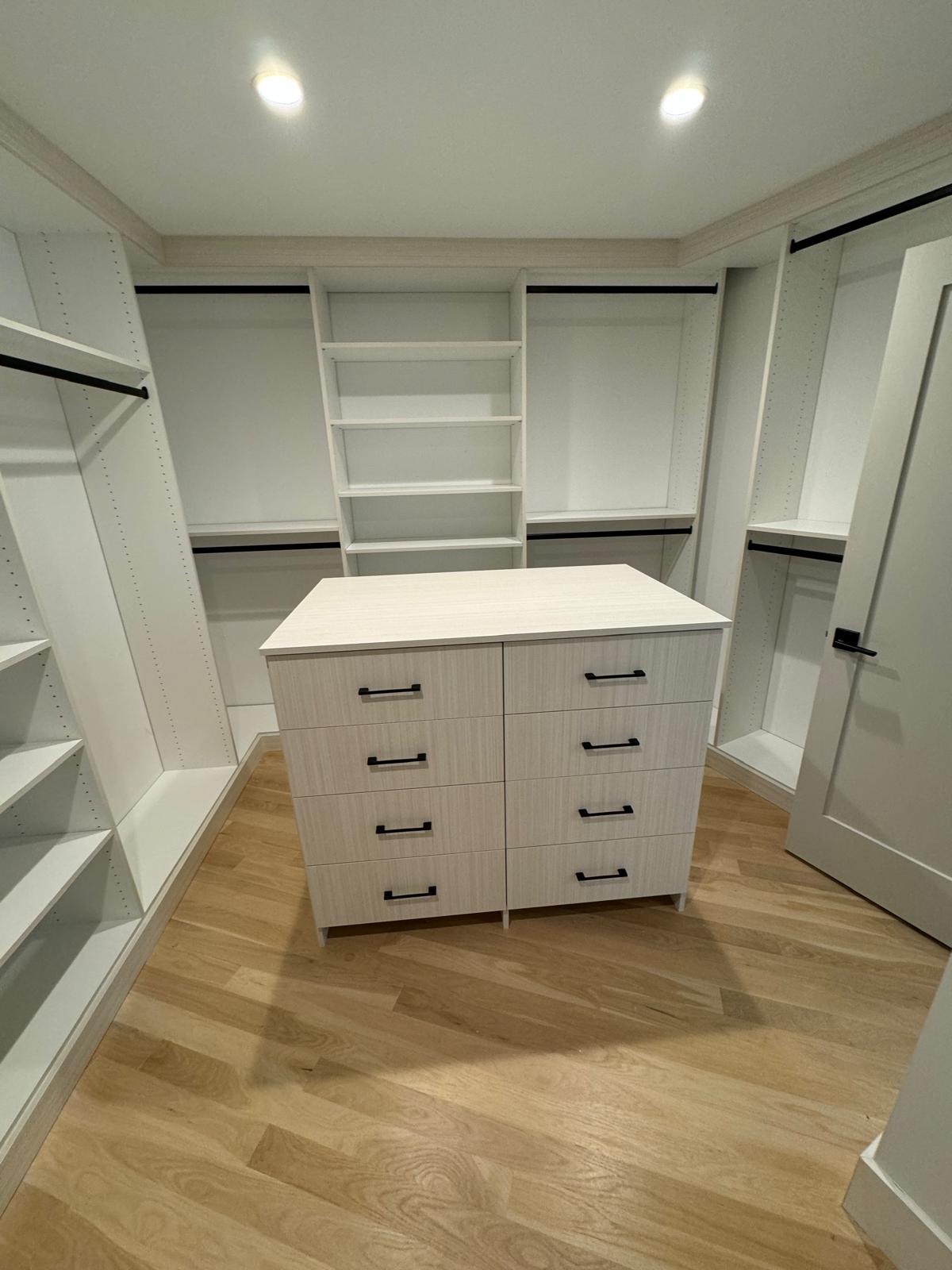
Complex closet renovations benefit significantly from professional measuring and design expertise.
Professional designers bring specialized tools, experience with challenging spaces, and knowledge of building codes that ensure successful installations.
At Coastal Closets, our measuring process includes structural analysis, electrical planning, and ventilation considerations that homeowners often overlook.
Our vetted in-house contractors have encountered every measuring challenge in New Jersey homes, from Victorian-era irregularities to modern construction quirks.
Professional measuring eliminates guesswork and provides the precision foundation necessary for storage systems that truly transform your daily routine.
Consider professional measuring services when:
• Planning complex walk-in closet systems with islands or built-in features
• Working with irregular room shapes or sloped ceilings
• Integrating electrical, lighting, or ventilation modifications
• Designing storage for valuable clothing or accessories
• Coordinating with other home renovation projects
• Ensuring compliance with accessibility requirements
Ready to Transform Your Closet Space?
While measuring closet space for renovation can be approached as a DIY project, professional measuring services ensure accuracy that translates into functional, beautiful storage solutions.
Coastal Closets offers comprehensive measuring and design consultations throughout New Jersey, combining decades of experience with cutting-edge design technology.
Our 7-step process begins with professional space analysis that identifies opportunities most homeowners miss, ensuring your investment delivers maximum functionality and value.